A sophisticated script
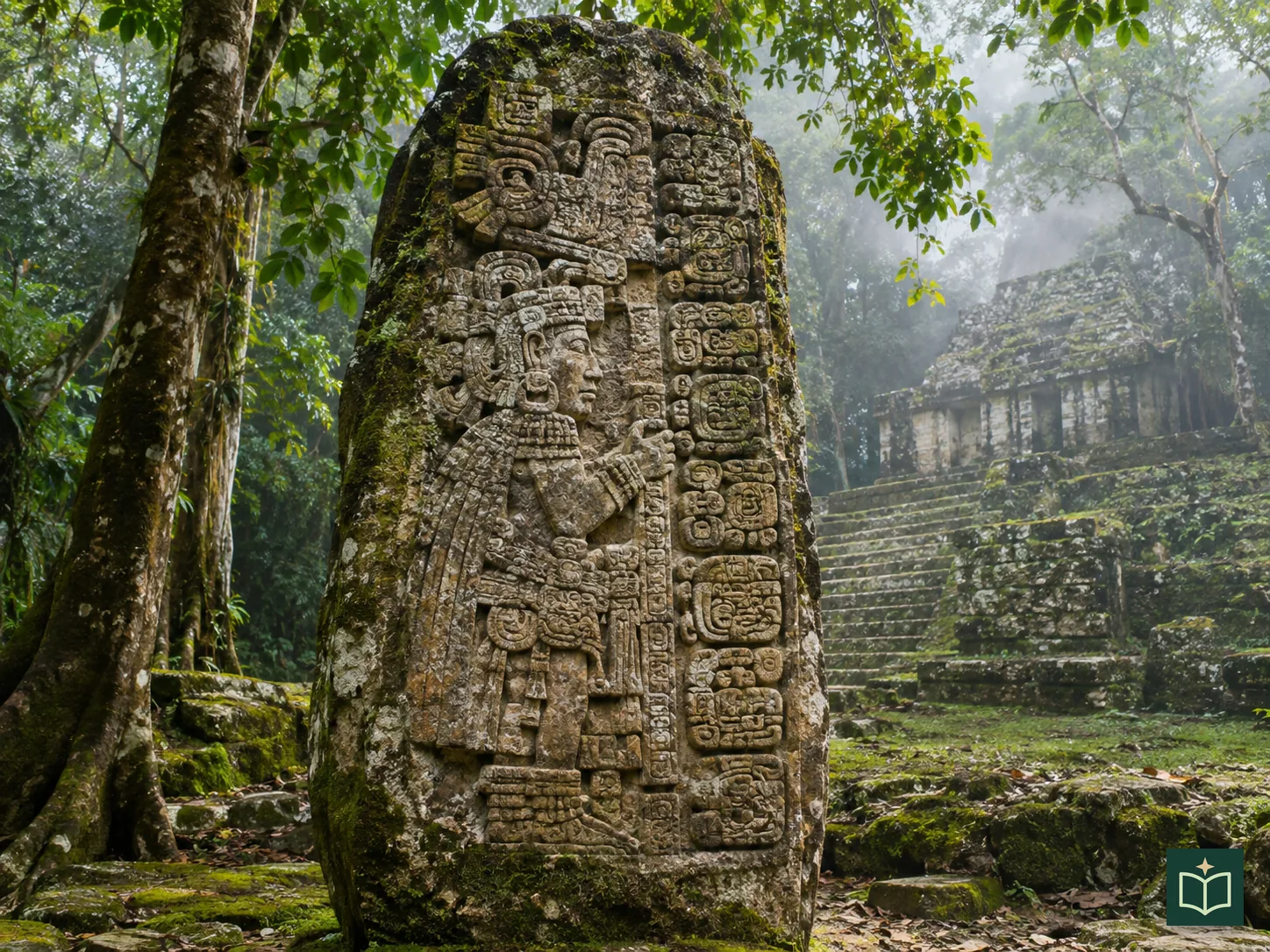
The Maya of Mesoamerica developed one of the most complete writing systems of the ancient Americas, used from at least the third century BCE. They carved texts on stone monuments, painted them on pottery and walls, and wrote books on bark paper. Spanish conquest brought the destruction of most codices; only four are generally accepted as surviving.
Calendars first
Nineteenth-century scholars worked out the Maya number system—a dot for one, a bar for five, and a shell sign for zero—and the Long Count calendar. That allowed monuments to be dated precisely. For decades, many experts assumed the texts were mainly about astronomy and gods, not historical events.
A breakthrough in sound
In the 1950s, Soviet linguist Yuri Knorozov argued that many glyphs represented syllables, using a sixteenth-century list recorded by Bishop Diego de Landa as a key. Around the same time, Tatiana Proskouriakoff showed that monument dates matched the life spans of rulers. Together these insights proved the inscriptions recorded history in a real language.
Rewriting Maya history
By the 1970s and 1980s, scholars could read many texts, naming kings, queens, wars and alliances between city-states such as Tikal, Calakmul and Palenque. Maya languages are still spoken today by millions of people in Mexico, Guatemala and Belize, and Maya communities are increasingly involved in teaching and reading the ancient script.
Sources & further reading
Figures are rounded and widely published; check the linked organisations for the latest editions. These organisations do not endorse this website.