Why Britain first
Historians point to several factors: plentiful coal near the surface, relatively high wages that made labour-saving machines worthwhile, cheap energy, a growing market at home and abroad, banks and legal institutions that supported investment, and a culture of practical tinkering. None alone explains it, and scholars still debate their relative weight.
From cottages to factories
Textiles led the way. Inventions such as the spinning jenny and Arkwright’s water frame increased output dramatically, and production moved from homes into mills. Factories organised work around machines and clocks, with long shifts often worked by women and children. Reform laws later limited hours and child labour.
Steam everywhere
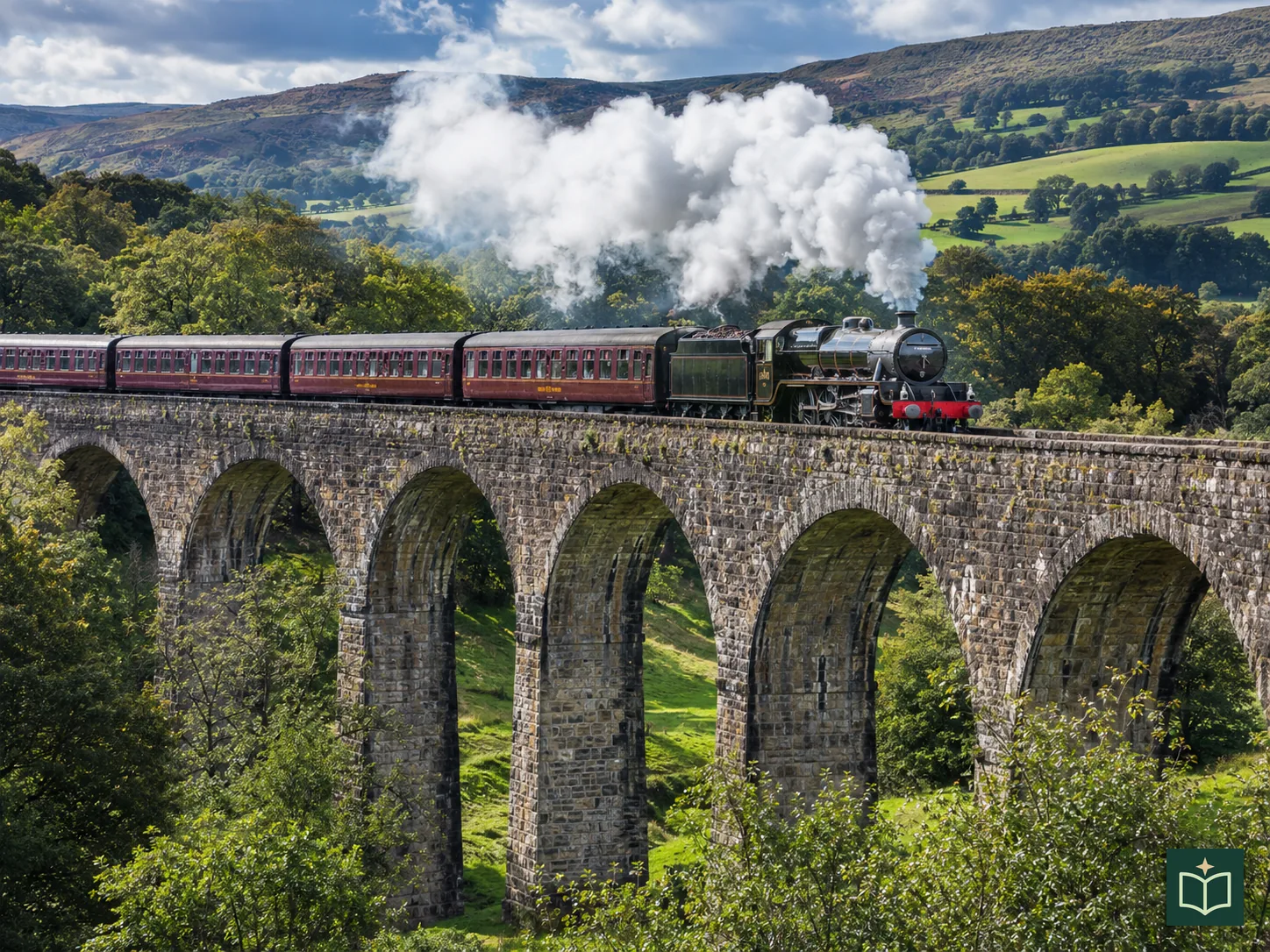
Thomas Newcomen’s engine pumped water from mines from 1712. James Watt’s separate condenser, patented in 1769, greatly improved efficiency, and rotary engines could drive machinery. Steam then moved onto rails: the Liverpool and Manchester Railway opened in 1830 as the first inter-city line run entirely by steam locomotives.
Lasting consequences
Industrialisation eventually raised living standards dramatically, but early decades brought crowded cities, pollution and hard working conditions. It spread to Europe, North America and Japan in the nineteenth century. It also began the large-scale burning of fossil fuels that underlies today’s rising carbon dioxide levels.
Sources & further reading
Figures are rounded and widely published; check the linked organisations for the latest editions. These organisations do not endorse this website.