The kingdom of Saba
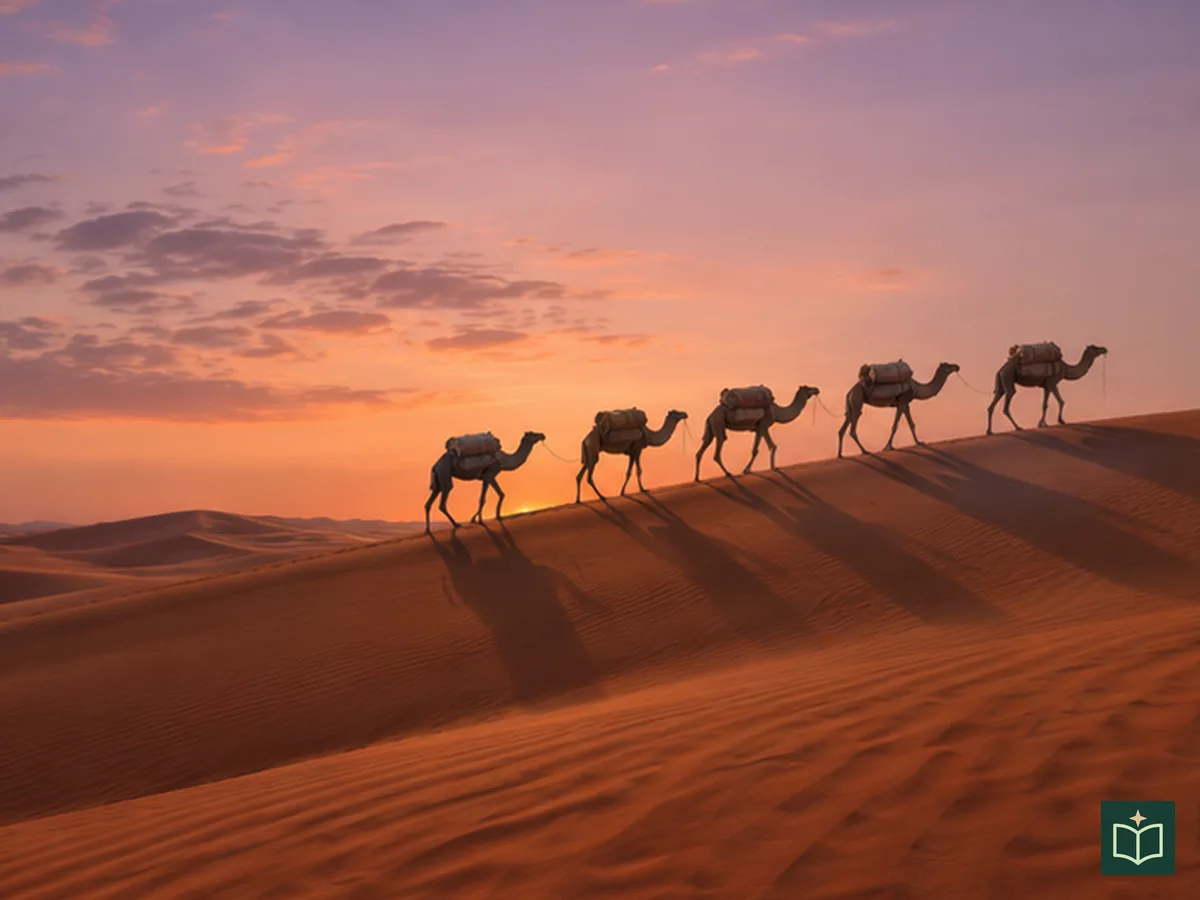
Saba, the biblical Sheba, was one of the kingdoms of ancient South Arabia, centred on the city of Marib in what is now Yemen. It flourished from early in the first millennium BC and grew wealthy from the incense trade, as caravans carried frankincense and myrrh north towards the Mediterranean. But Marib's prosperity rested on farming too. The city sat on the edge of the desert where Wadi Dhana emerges from the mountains. The wadi was dry for most of the year, but twice a year, when monsoon rains fell on the highlands, it carried sudden, powerful floods that could be captured and spread across the plain.
How the dam worked
The Marib Dam did not create a large permanent reservoir in the way modern dams do. Its main job was diversion. An earthen embankment roughly 600 metres long blocked the wadi, raising floodwaters until they could flow out through great sluice structures built of finely cut stone at each end. From there, main canals led north and south to distribution basins, which fed networks of smaller channels across the fields. The water arrived carrying fine silt, which built up the soil year after year. Over centuries the fields rose by several metres, so the dam had to be raised repeatedly to keep water flowing on to them.
Two great gardens
The system watered two large oases, one on each side of the wadi, covering an area often estimated at around ten thousand hectares. Crops included cereals, dates and other fruit, feeding a city that was one of the largest in Arabia in its time. The Quran refers to the people of Saba as having two gardens, on the right and the left, a description that matches the layout of the irrigated land. Inscriptions in the South Arabian script, carved on the dam and in nearby temples, record the work of rulers and communities who built, maintained and extended the irrigation over many generations.
Repairs and breaches
Floods brought both life and danger. Large floods could damage the embankment, and silt steadily raised the fields and canals. Maintenance therefore required huge, organised labour. Inscriptions describe major repairs in the fifth and sixth centuries AD, including work in the 450s and again in 548 under Abraha, a ruler of Aksumite origin who controlled Yemen at the time. These texts mention thousands of workers, along with the food provided for them. Yet the kingdom's ability to mobilise such effort was weakening, as trade shifted to sea routes and political power in South Arabia fragmented. The final breach is generally dated to around AD 570.
From history to legend
The collapse entered Arab memory as a turning point. The Quran describes the people of Saba turning away from gratitude and being struck by the flood of al-Arim, after which their gardens yielded only bitter fruit. Arab genealogical traditions later linked the breach with the migration of tribes from Yemen northwards, including groups said to have settled in Oman, the Gulf, Syria and Iraq. Historians treat these traditions carefully, since migrations happened over long periods and for many reasons. But the story shows how deeply the dam had become a symbol of prosperity, and how its loss was remembered as the end of an age.
The dam today
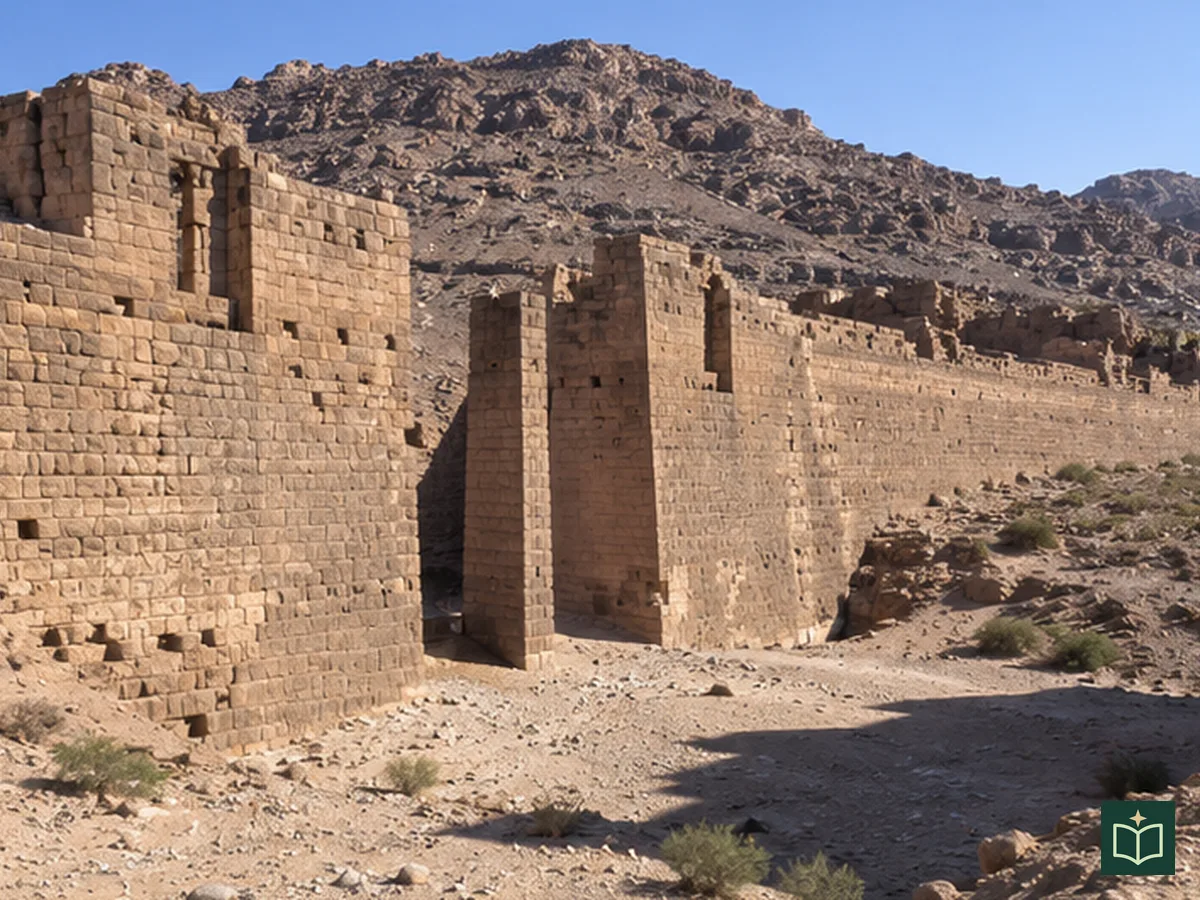
The ancient sluice structures still stand, their massive stone blocks fitted without mortar. In 1986 a new dam was completed a few kilometres upstream with funding from Sheikh Zayed bin Sultan Al Nahyan, the founding President of the UAE. In 2023 the landmarks of the ancient kingdom of Saba in Marib were inscribed on the UNESCO World Heritage List and, because of conflict in Yemen, placed on the List of World Heritage in Danger. The ancient dam remains one of the great engineering achievements of the pre-Islamic world, built to tame floods that often lasted only a few days but had to sustain a city for a whole year.
Sources & further reading
Figures are rounded and widely published; check the linked organisations for the latest editions. These organisations do not endorse this website.