A problem of weight
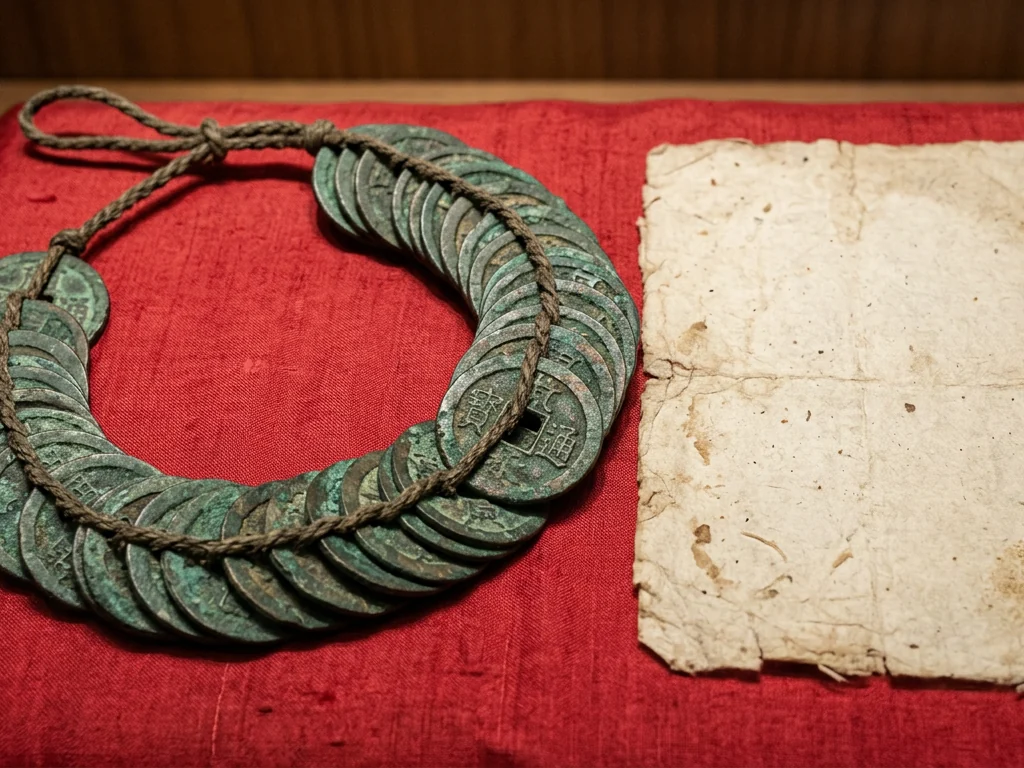
Sichuan in southwestern China used heavy iron coins. Large purchases meant hauling enormous strings of them. In the late tenth century, private merchant houses began accepting deposits of coins and issuing paper certificates, called jiaozi, that could be exchanged for coins later.
Official notes
The certificates became so convenient that people traded them directly. After some private issuers failed, the Song government took control in the 1020s and began issuing notes itself, with set denominations, expiry periods and official seals. China already had printing, ink and paper, which made mass production possible.
The first inflations
Paper is cheap to print, and governments under pressure from war spending were tempted to issue more and more. Later dynasties, including the Yuan and the early Ming, saw notes lose much of their value. Europeans such as Marco Polo were astonished that paper could be used as money at all.
A long road west
Europe did not adopt banknotes until centuries later. Stockholm’s Stockholms Banco issued notes in 1661, and the Bank of England followed from 1694. Today almost all money is fiat money backed by trust in central banks rather than by metal—an idea first tested in medieval China.
Sources & further reading
Exact dates of the earliest private and official notes vary between historical sources. Photograph: original AI-generated illustration (Adobe Firefly). Reference organisations do not endorse this website.