A continent without a country
Antarctica covers about 14 million square kilometres, larger than Europe, and has no permanent population. In the first half of the twentieth century, seven countries, Argentina, Australia, Chile, France, New Zealand, Norway and the United Kingdom, made territorial claims to parts of the continent, some of them overlapping. Other countries refused to recognise any claims. Cold War tensions raised fears that Antarctica could become a zone of military competition. The International Geophysical Year of 1957 and 1958, during which scientists from many countries worked there together, created momentum for a different approach. In 1959, twelve countries active in Antarctic research signed the Antarctic Treaty in Washington.
What the treaty says
The treaty applies to the area south of 60 degrees south latitude. It declares that Antarctica shall be used for peaceful purposes only, prohibiting military bases, manoeuvres and weapons testing, though military personnel and equipment may support science. It bans nuclear explosions and the disposal of radioactive waste. It guarantees freedom of scientific investigation and requires the exchange of plans, personnel and results. Its most ingenious clause, Article IV, freezes territorial claims: nothing done while the treaty is in force can support or deny a claim, and no new claims may be made. Each party also has the right to inspect any other party’s stations, ships and aircraft.
How it is governed
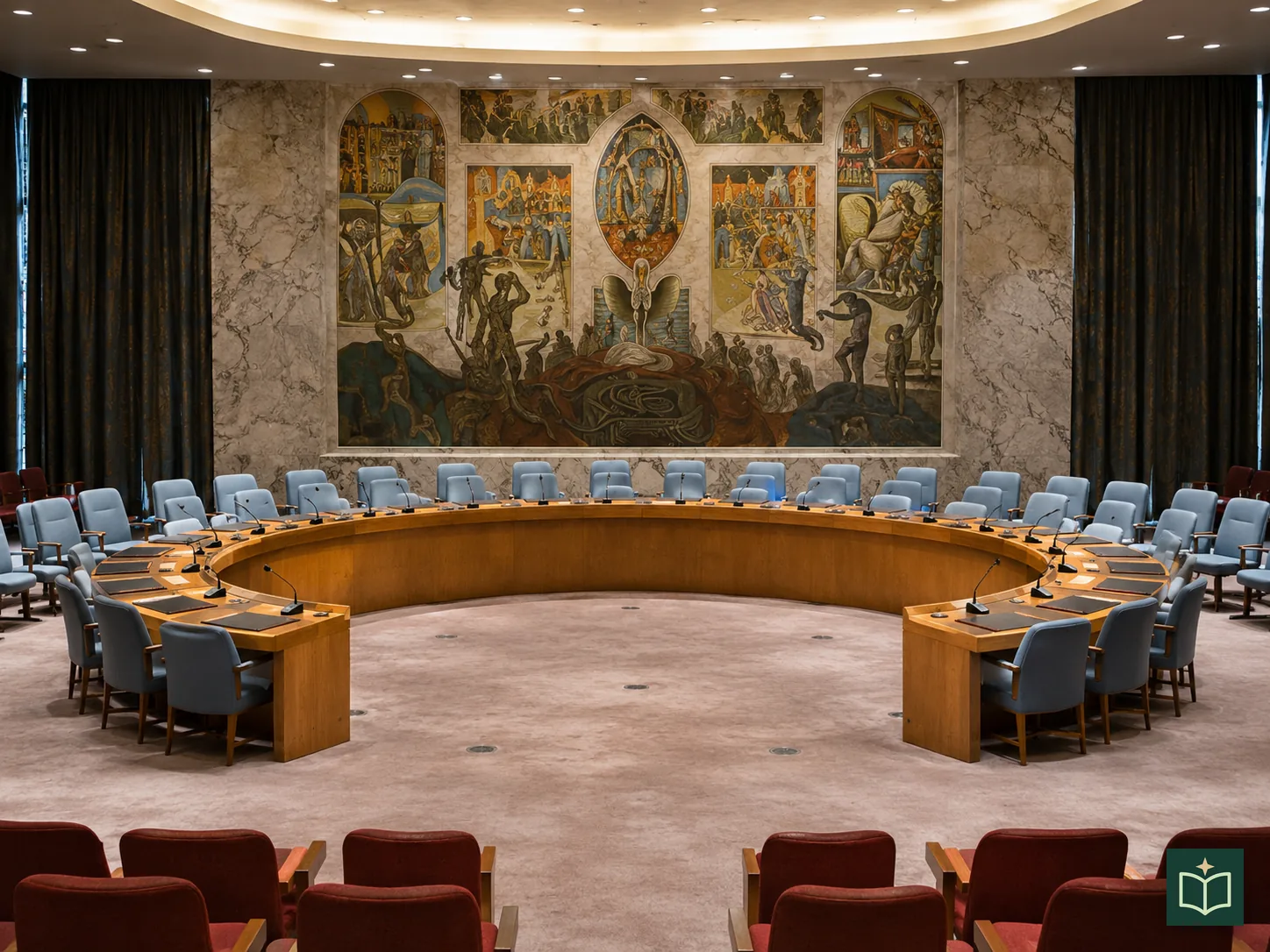
Decisions are taken at the annual Antarctic Treaty Consultative Meeting by consultative parties, a group that includes the original signatories and other states that demonstrate substantial scientific research activity in Antarctica. Other countries can accede to the treaty as non-consultative parties, attending meetings without decision-making rights. Decisions are made by consensus. A permanent secretariat, established in Buenos Aires in 2004, supports the system. Together with related agreements, including conventions on the conservation of seals and of marine living resources, the treaty forms what is known as the Antarctic Treaty System. The marine resources commission manages fisheries such as krill and toothfish in the surrounding Southern Ocean.
Banning mining
In the 1980s, parties negotiated a convention to regulate mineral activities, but it never entered into force amid concerns about environmental risks. Instead, they adopted the Protocol on Environmental Protection, signed in Madrid in 1991 and in force since 1998. It designates Antarctica as a natural reserve devoted to peace and science, prohibits any activity relating to mineral resources other than scientific research, and requires environmental impact assessments for activities. A frequent misconception is that the mining ban expires in 2048. In fact, 2048 is the earliest date when a party may request a review conference; changing the ban would still require strict procedures and agreement among parties.
Tourism and new pressures
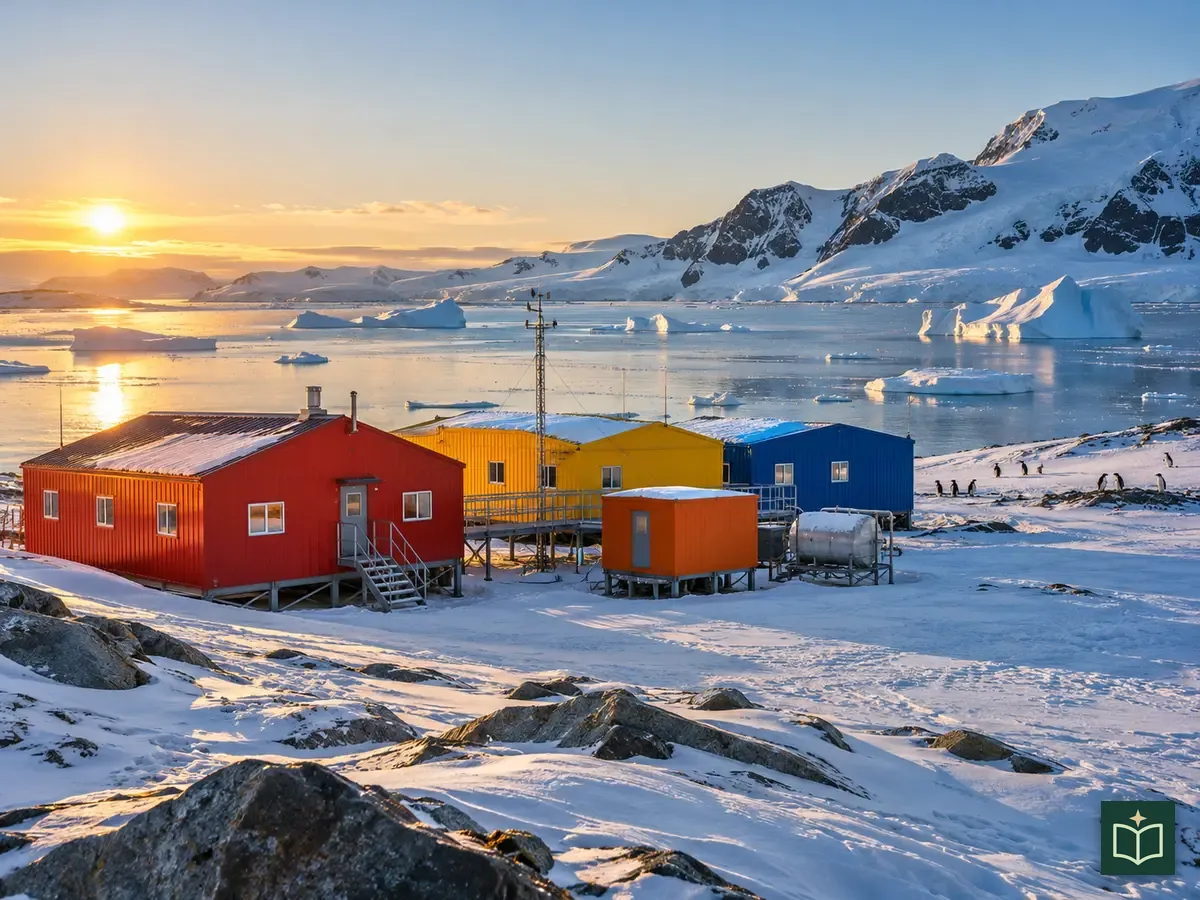
Antarctica now receives large numbers of visitors each season, mostly on cruise ships departing from South America, and industry guidelines agreed with treaty parties manage landings, wildlife distances and biosecurity. Climate change is altering ice shelves and ecosystems, making Antarctic research increasingly important for understanding sea-level rise and global climate. Countries far from the poles have also joined the treaty over the decades, and for low-lying coastal regions, including much of the Gulf, research on Antarctic ice and future sea-level rise has direct relevance to long-term planning. Some countries have expanded their research stations, and analysts watch how growing interest in fisheries, tourism and science is managed under consensus rules.
Why it matters
The Antarctic Treaty is often cited as one of the most successful examples of international cooperation. It was among the first arms control agreements of the Cold War, keeping an entire continent demilitarised and free of nuclear weapons, and it has kept territorial disputes dormant for more than six decades. Its model of setting aside sovereignty questions to allow practical cooperation has influenced discussions about outer space and the deep seabed. Debates continue about how well consensus decision-making responds to new challenges such as climate change, fishing pressure and tourism growth. For readers, news about Antarctica usually concerns science, environmental protection or meeting outcomes rather than ownership.
Sources & further reading
Figures are rounded and widely published; check the linked organisations for the latest editions. These organisations do not endorse this website.