Different tools
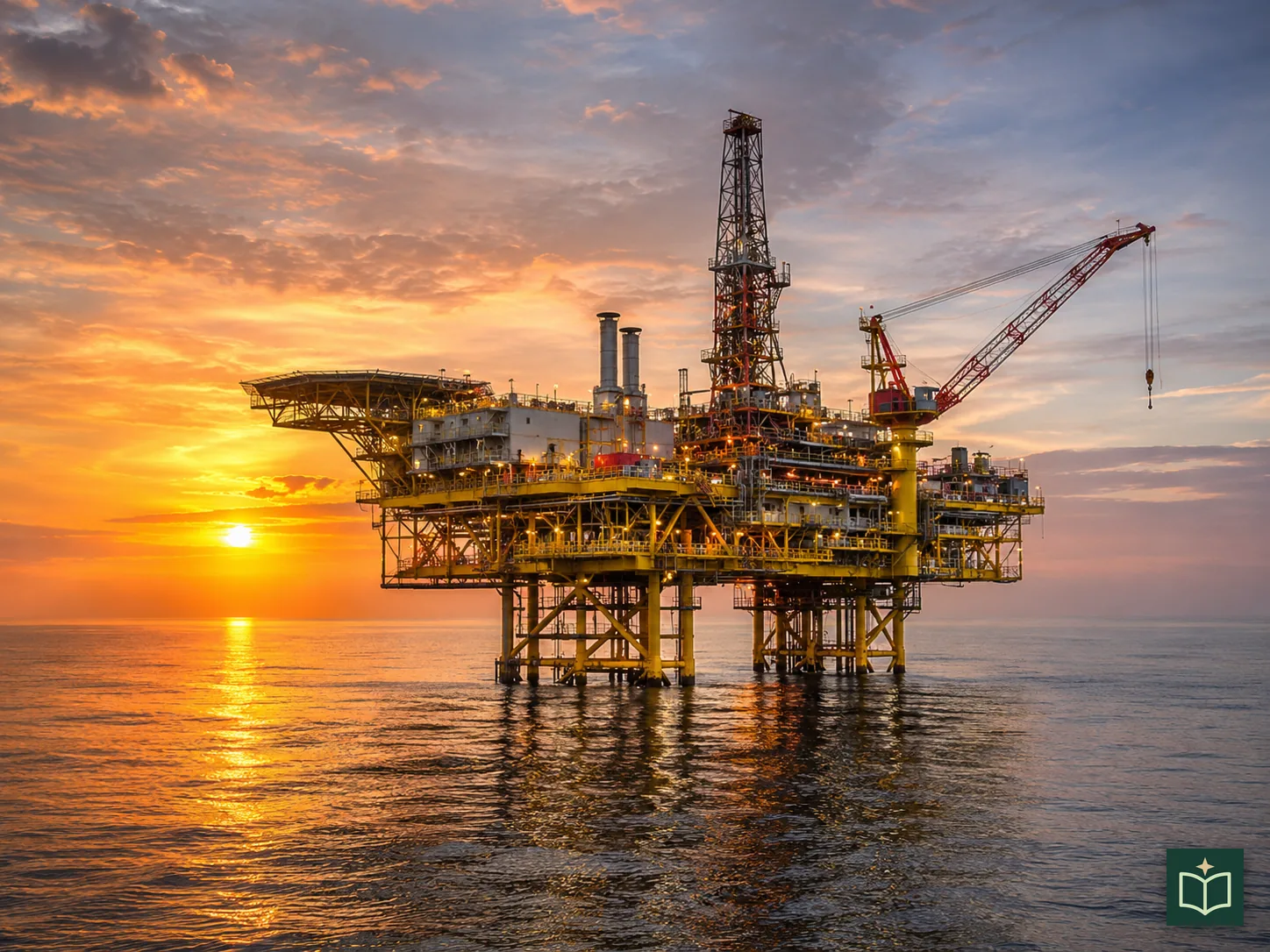
Sanctions range from comprehensive trade embargoes to targeted measures. Targeted sanctions freeze assets and ban travel for specific people or entities. Sectoral sanctions limit particular industries, such as energy or defence. Export controls block sales of sensitive technology like advanced semiconductors. Financial sanctions restrict access to banks and payment systems.
Who imposes them
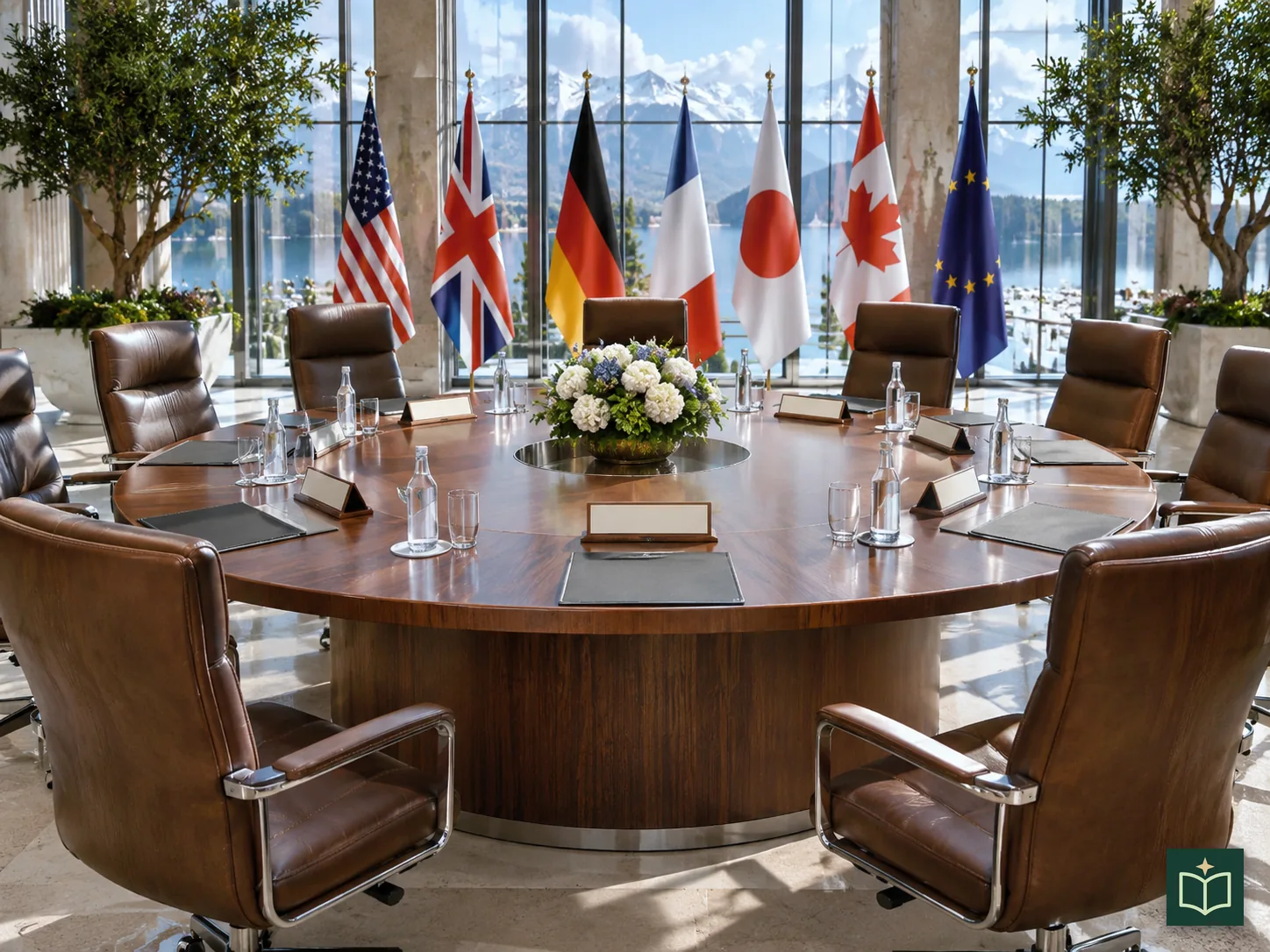
The UN Security Council can impose sanctions binding on all member states, though vetoes often prevent this. The United States, the European Union, the United Kingdom and others also impose their own. Because so much international trade and finance is conducted in US dollars and passes through US-linked banks, US sanctions can affect companies worldwide—so-called secondary effects.
Do they work?
Research suggests sanctions rarely achieve major policy changes on their own, but they can raise costs, limit military capabilities and signal disapproval. Their success depends on the size of the target’s economy, how many countries participate, the availability of alternatives, and whether the demands are achievable.
Costs and evasion
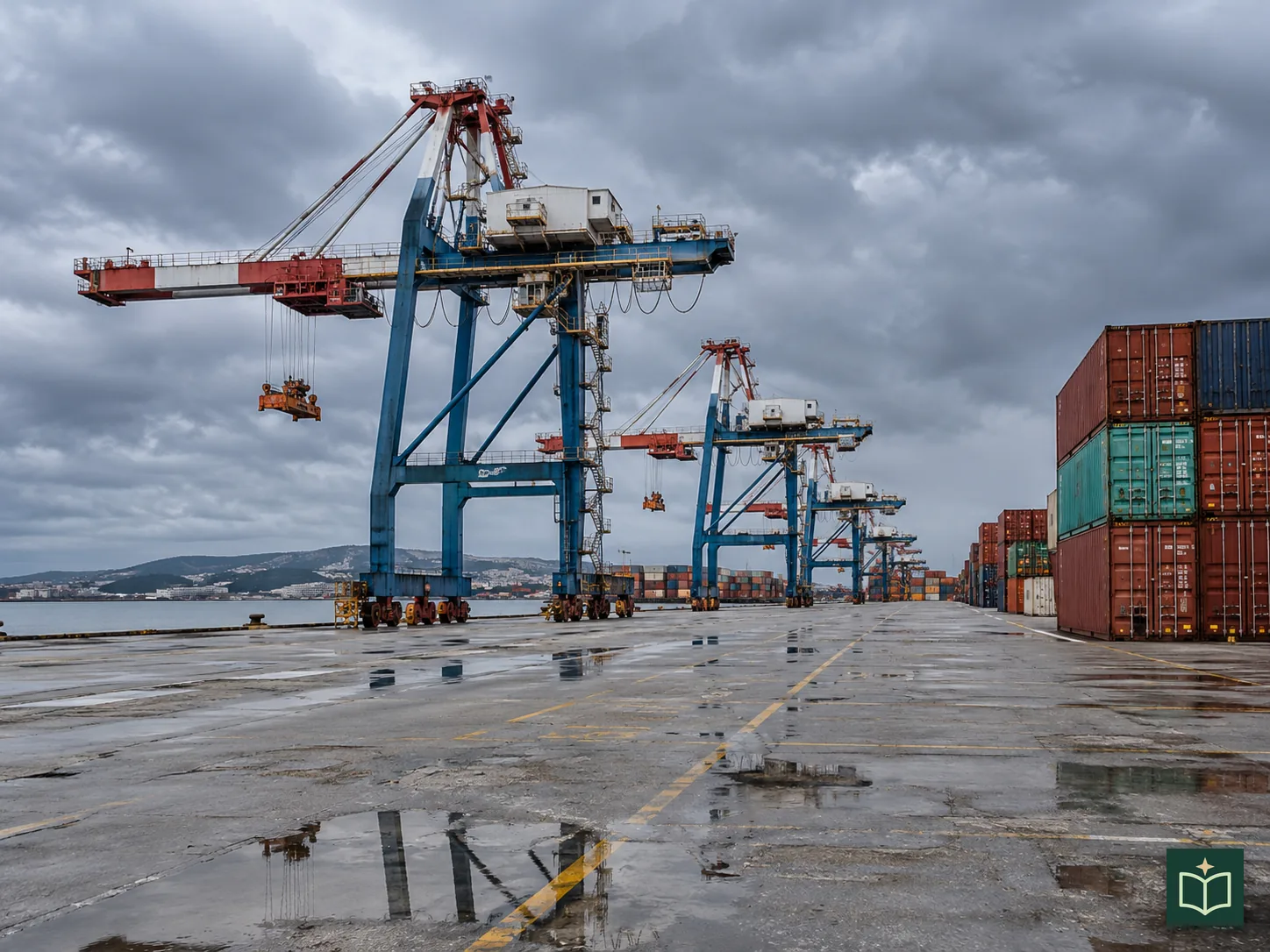
Sanctions can harm ordinary people through shortages and inflation, which is why humanitarian exemptions exist for food and medicine. Targets adapt by trading through third countries, using shipping workarounds or alternative currencies. Enforcement agencies respond by sanctioning intermediaries, creating a continuing cycle of adaptation.
Sources & further reading
Figures are rounded and widely published; check the linked organisations for the latest editions. These organisations do not endorse this website.