A tight market
By the early 1970s the industrial world depended heavily on oil, much of it from the Middle East. US domestic production had peaked in 1970, and America was importing more. For decades, oil prices had been low and largely set by major Western oil companies. Producing countries, organised since 1960 in OPEC, had been pushing for higher prices and more control over their own resources. Libya, Algeria and Iraq had already nationalised parts of their industries, and Gulf states were negotiating 'participation' agreements to take stakes in foreign-run companies. The market had little spare capacity outside the Gulf, so any disruption could have a large effect on prices.
October 1973
On 6 October 1973, Egypt and Syria attacked Israeli positions in Sinai and the Golan Heights, starting what is known as the October or Yom Kippur War. On 16 October, Gulf members of OPEC announced a 70 per cent rise in the posted price of oil, to about $5.12 a barrel, setting prices themselves rather than negotiating with the companies. The next day Arab oil ministers, meeting in Kuwait, agreed to cut production month by month. After the United States sent large military supplies to Israel, Arab producers placed an embargo on oil shipments to the US and later the Netherlands, Portugal, South Africa and Rhodesia.
The price shock
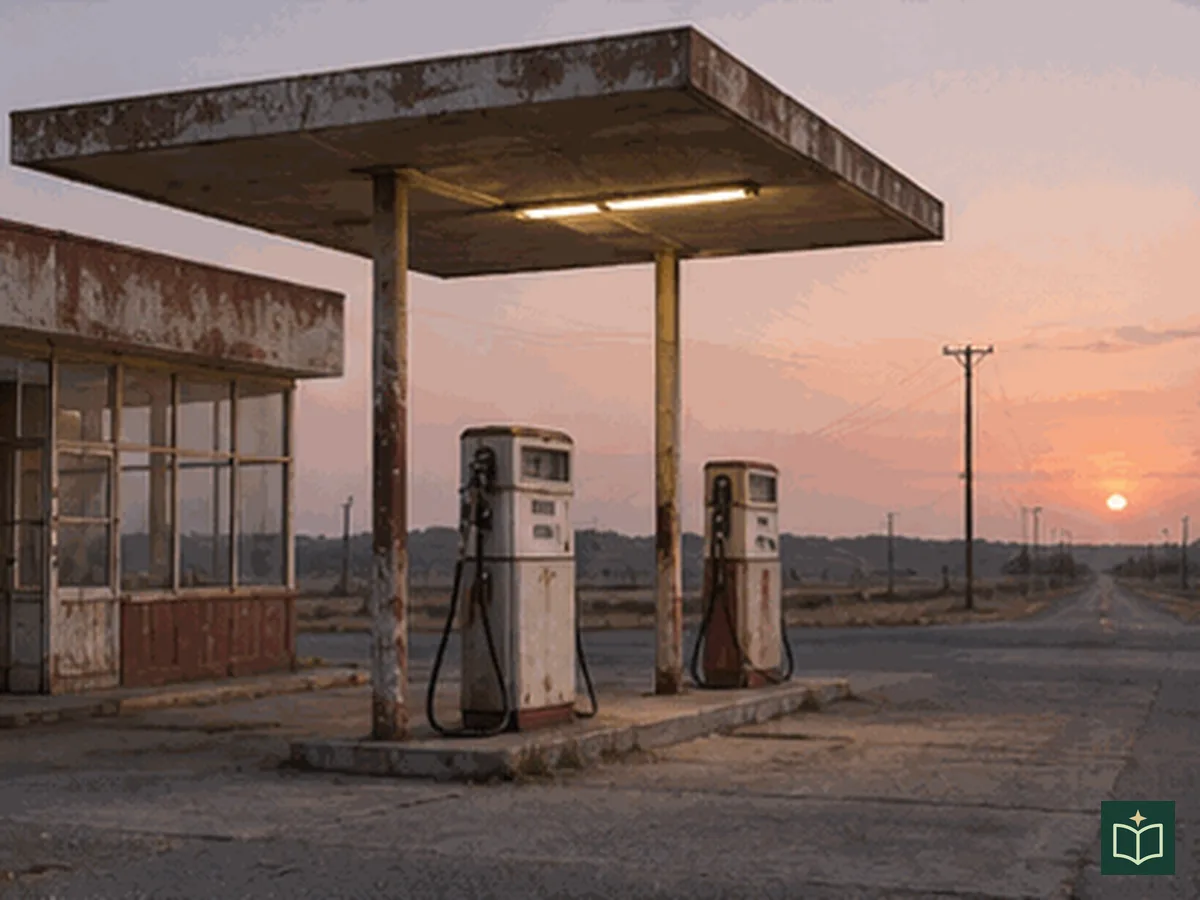
In December 1973 OPEC's Gulf members raised the posted price again, to $11.65 a barrel from January 1974, nearly four times the level of early October. The embargo itself proved hard to enforce, because oil could be redirected through other buyers, and it was lifted for the United States in March 1974. But the price rise lasted. Importing countries suddenly faced far higher fuel bills. In the United States, petrol queues and rationing schemes appeared; several European countries introduced car-free Sundays and speed limits. Combined with existing inflation, the shock contributed to the 1974–75 recession and to 'stagflation', a painful mix of high inflation and rising unemployment in many economies.
A windfall for the Gulf
For producing countries, the change was transformative. Government revenues multiplied within a few years, funding roads, ports, hospitals, schools, housing and electricity across the Gulf. Abu Dhabi set up the Abu Dhabi Investment Authority in 1976 to invest surplus revenue abroad, an early example of a large sovereign wealth fund. Saudi Arabia gradually took full ownership of Aramco, completing it in 1980. Kuwait, Qatar and others took over their oil industries. Much of the surplus was deposited in Western banks and lent on to developing countries, a process called petrodollar recycling. That lending later contributed to the debt crises of the 1980s in Latin America and elsewhere.
How importers responded
Consumer countries responded in ways still visible today. In 1974 they founded the International Energy Agency in Paris to coordinate emergency oil stocks and energy policy. The United States created its Strategic Petroleum Reserve and introduced fuel-economy standards for cars in 1975. Governments promoted insulation, more efficient appliances, nuclear power and coal for electricity. Japan became a leader in energy efficiency. High prices made expensive oil fields worthwhile: the North Sea and Alaska's Prudhoe Bay came on stream in the mid-to-late 1970s. Over time, the amount of oil needed to produce each unit of economic output in rich countries fell substantially, making economies less vulnerable to future shocks.
Lessons and myths
The 1973 crisis is sometimes remembered as a physical shortage of oil. In reality global supply fell only by several per cent, but panic buying, price controls and rigid distribution systems turned that into queues. A second shock followed in 1979 after the Iranian revolution, before prices fell sharply in the mid-1980s as demand weakened and new supplies arrived. Economists still study 1973 for lessons about energy security, inflation and the economic power of commodity producers. For the Gulf, it marked the moment oil wealth moved decisively into national hands, laying financial foundations for modern states. This explainer is educational and not investment advice.
Sources & further reading
Figures are rounded and widely published; check the linked organisations for the latest editions. These organisations do not endorse this website.