Two different strategies
Soap and hand sanitiser both aim to stop germs passing from hands to mouths, food and other people, but they work in opposite ways. Soap and water remove germs: lathering loosens the oils, dirt and microbes stuck to skin, and rinsing carries them away. Alcohol-based sanitiser kills or inactivates many germs where they sit, then evaporates, leaving them on the skin in a damaged state along with any dirt. Health bodies including the World Health Organization and the US Centers for Disease Control and Prevention treat handwashing with soap and water as the first choice in everyday life, and sanitiser as a good alternative when a sink is not available.
How soap breaks the grip
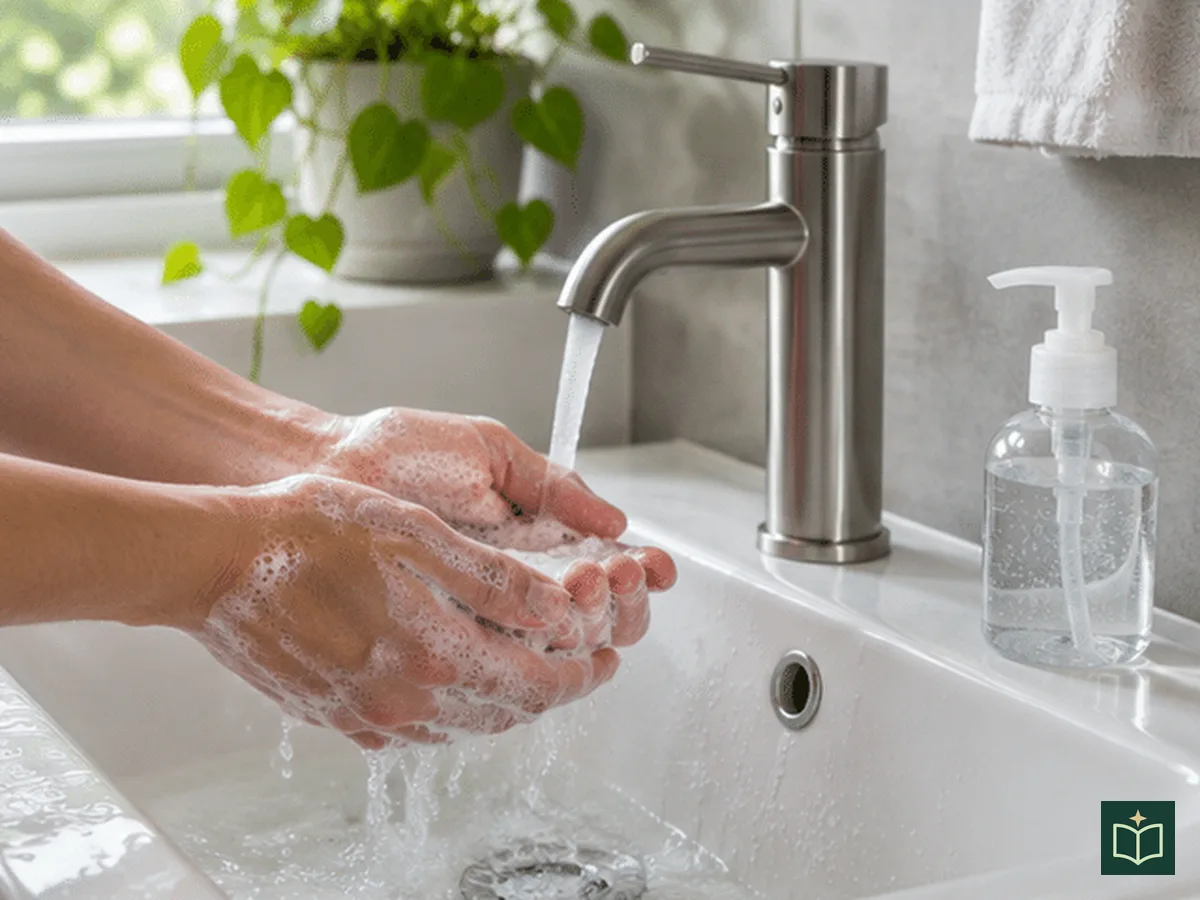
A soap molecule has two ends. One end is attracted to water; the other is attracted to fats and oils and avoids water. When you lather, the oil-loving ends burrow into the greasy film on skin, where many bacteria and viruses are trapped, and pull it apart into tiny droplets wrapped in soap, called micelles. These are then washed away by running water. Soap also disrupts the fatty outer envelope of certain viruses, including flu viruses and coronaviruses, breaking them apart. The effect depends on time and friction. Health guidance advises scrubbing all surfaces of the hands, including thumbs, backs and between the fingers, for at least 20 seconds before rinsing.
How alcohol kills
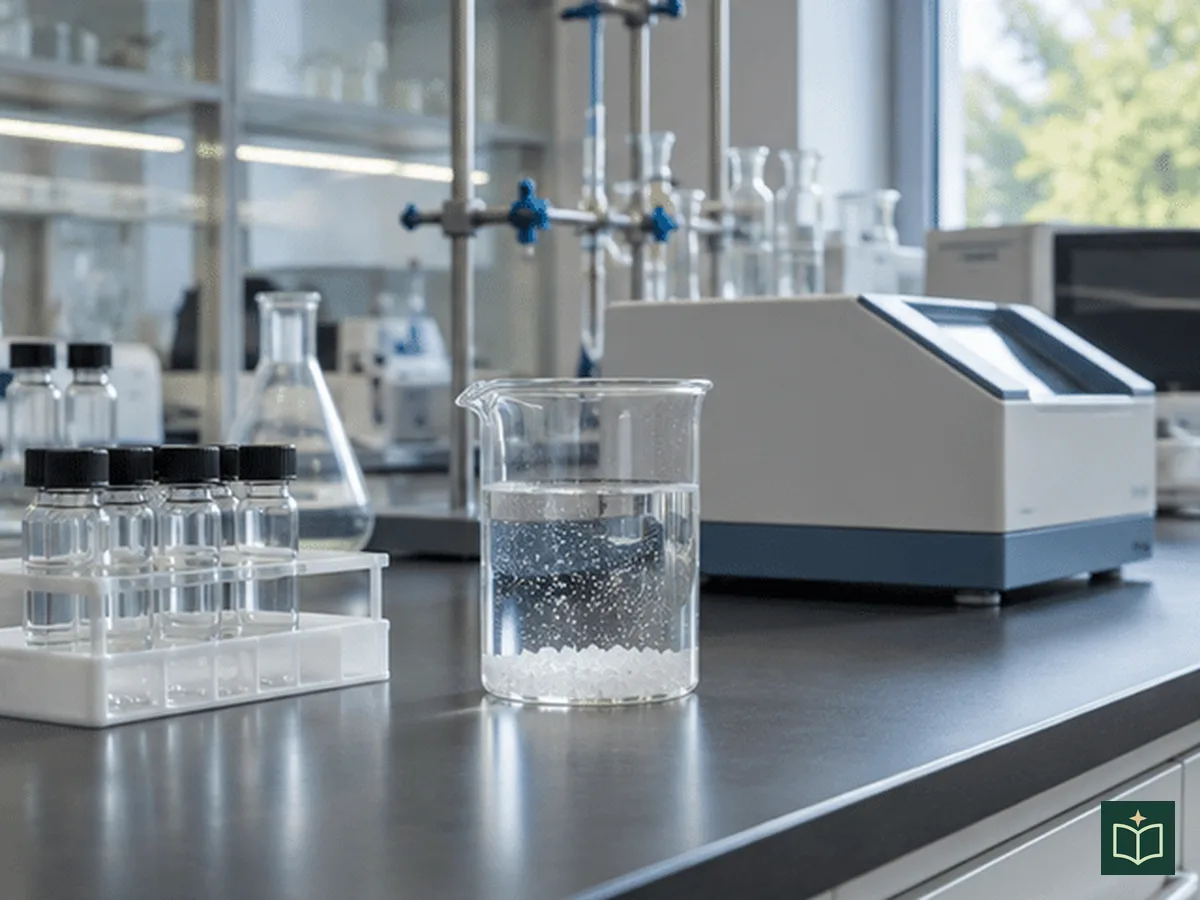
Most hand sanitisers use ethanol or isopropyl alcohol, mixed with water and a moisturiser to reduce dryness. Alcohol works by denaturing proteins, unfolding the molecules that microbes need to survive, and by dissolving fatty membranes. A little water in the mix actually helps, which is why concentrations around 60% to 95% are more effective than pure alcohol. To work, the gel must cover every surface of both hands and be rubbed in until dry, which usually takes about 20 to 30 seconds. Wiping it off early, or using too small an amount, leaves parts of the hands untreated. Products with less than 60% alcohol, or alcohol-free formulations, are generally less reliable.
When soap clearly wins
Sanitiser has well-known blind spots. It works poorly on hands that are visibly dirty or greasy, after gardening, cooking or eating with the hands, because dirt and oils shield microbes from the alcohol. It does not remove chemicals such as pesticides. Some germs also resist alcohol. Norovirus, a common cause of stomach bugs, lacks the fatty envelope that alcohol attacks, and the spores of the bacterium Clostridioides difficile are not killed by it. Washing physically removes these. That is why hospitals ask staff and visitors to wash with soap during outbreaks of diarrhoeal illness, and why soap and water is the advice after using the toilet and before preparing food.
When sanitiser is the better option
Sanitiser has clear advantages where water is scarce or inconvenient. It is quick, portable and needs no towel, making it practical in cars, offices, shopping centres, schools and on public transport. In hospitals, alcohol hand rub at the bedside has greatly improved hand hygiene among staff, because it is faster than walking to a sink between every patient, and the WHO recommends it as the routine method in health care when hands are not visibly soiled. In hot, dry settings, including summer in the Gulf, people should store sanitiser away from direct sunlight and heat, since alcohol is flammable and evaporates quickly once a bottle is opened.
Myths and good habits
Antibacterial soaps, containing added chemicals such as triclosan, have not been shown to work better than ordinary soap for consumers, and some ingredients were restricted in the United States in 2016. Water temperature matters less than people think: cold or warm water both work, provided you scrub for long enough. Drying matters, because damp hands transfer germs more easily, and clean towels or paper towels are best. Frequent use of either product can dry the skin, and cracked skin harbours more microbes, so moisturiser is part of good hygiene. Above all, the method used matters less than doing it at the right moments: before eating, after the toilet and after coughing or sneezing.
Sources & further reading
Figures are rounded and widely published; check the linked organisations for the latest editions. These organisations do not endorse this website.