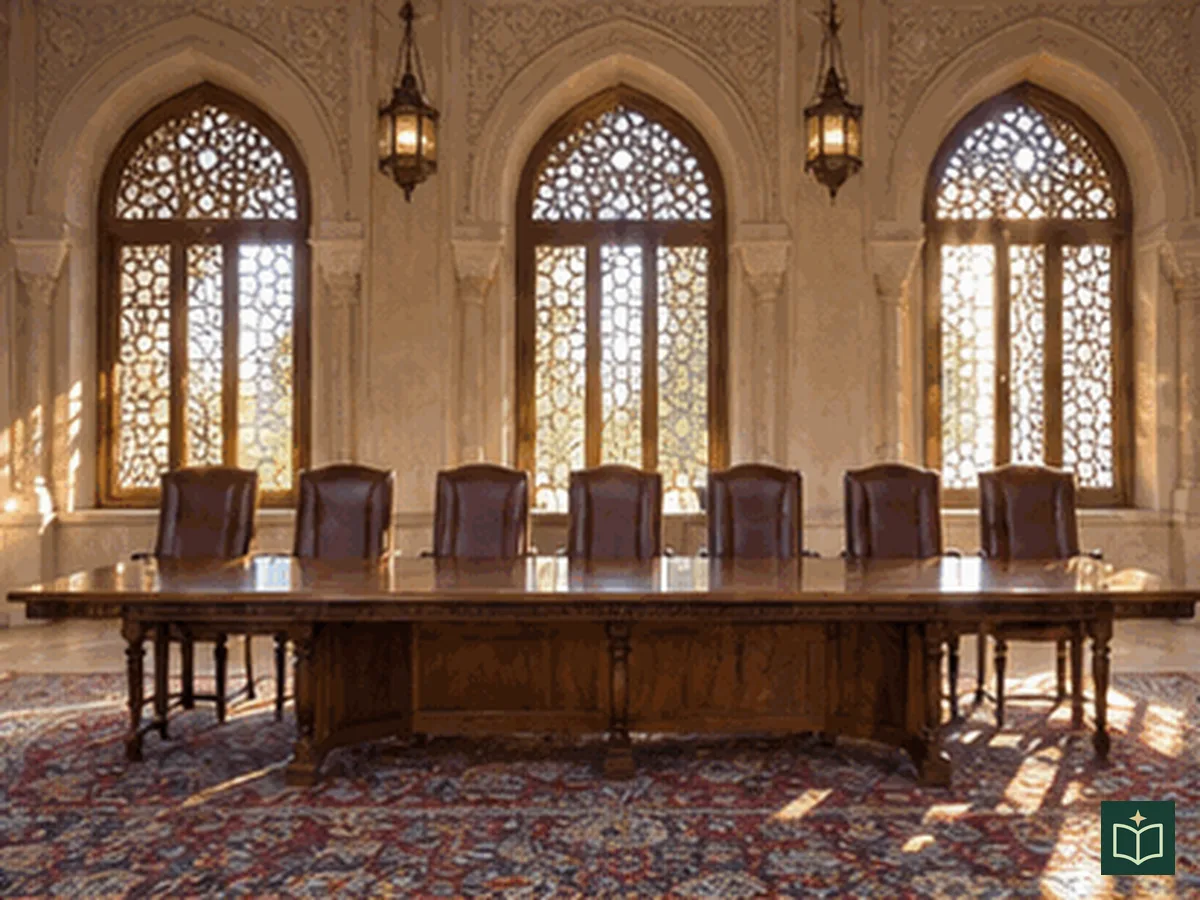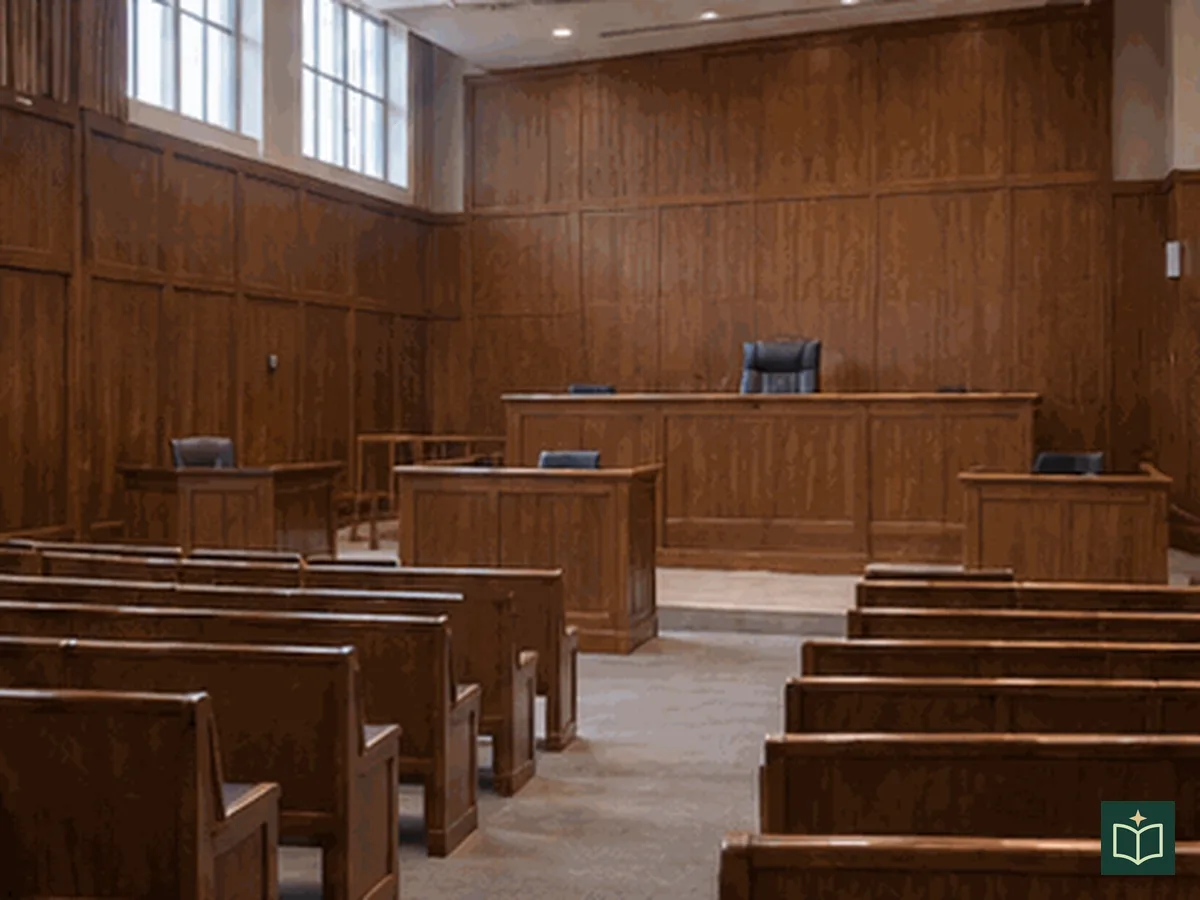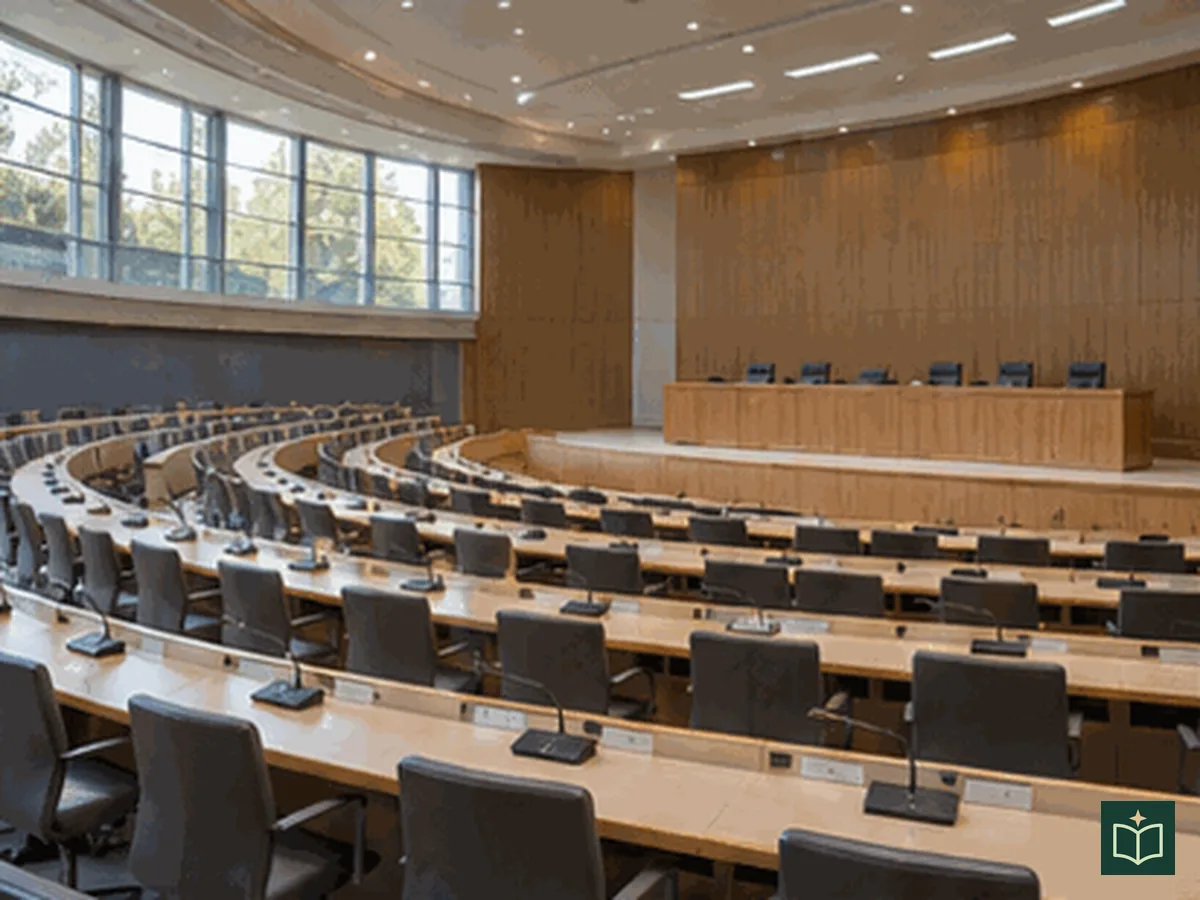
Three jobs, three branches
Every government does three basic things. It makes rules, it carries them out and it settles disputes about what those rules mean. The separation of powers assigns each job to a different institution. The legislature, usually a parliament or congress, writes laws and controls the public purse. The executive, led by a president, prime minister or cabinet, runs ministries, the civil service, the police and the armed forces. The judiciary, made up of courts and judges, applies the law to individual cases. The core idea is simple: when the same people both write and enforce the rules, and also judge their own conduct, there is little to stop them abusing that power.
Where the idea came from
Thinkers in ancient Greece and Rome already worried about concentrated power, and the English philosopher John Locke wrote about separating legislative and executive authority in the late 17th century. The version most people know comes from the French writer Montesquieu, whose The Spirit of the Laws appeared in 1748. Studying England's government, he argued that liberty is lost when legislative, executive and judicial power fall into the same hands. His ideas shaped the authors of the United States Constitution in 1787, which gives each branch its own article. Many later constitutions, from Latin America to Africa and Asia, adopted the same three-part vocabulary in their own ways.
Checks and balances
Strict separation alone would leave each branch free to act unchecked within its own sphere. So most systems add checks and balances, giving each branch some leverage over the others. In the United States the president can veto a bill, but Congress can override that veto with a two-thirds vote in both chambers. The Senate must confirm senior judges and officials, and Congress can impeach and remove them. Courts can rule that a law or executive action breaches the constitution. Budgets are another powerful lever: an executive that cannot obtain money from the legislature cannot carry out its plans. The branches remain separate but interlocked, each with a reason to watch the others.
Fusion in parliamentary systems
Not every democracy separates the legislature and executive so sharply. In parliamentary systems such as the United Kingdom, Canada or India, the prime minister and most ministers sit in parliament and depend on its confidence to stay in office. Analysts often describe this as a fusion of the legislative and executive branches rather than a separation. Restraint comes from other places: votes of no confidence, opposition scrutiny, select committees, a second chamber, and above all an independent judiciary. Judicial independence is the one element almost every modern constitution treats as essential, protected through secure tenure, fixed salaries and rules that prevent judges from being dismissed simply because the government dislikes their rulings.
Common misunderstandings
The separation of powers is sometimes described as a wall, but in reality the branches overlap constantly. Executives propose most legislation, legislatures confirm appointments, and courts shape the law through their interpretations. Another misconception is that the principle guarantees good government. It is a safeguard, not a result: it can produce deadlock when branches are controlled by rival parties, and it relies on officials accepting rulings they dislike. Some constitutions also add further independent bodies, such as electoral commissions, central banks, auditors or ombudsman offices, sometimes described as a fourth branch. Their purpose is the same as the original design: to spread authority so that no single office decides everything.
Why it matters
When reading news about any country's politics, the separation of powers offers a useful lens. A court blocking a government policy, a legislature refusing to pass a budget or a leader vetoing a bill are not necessarily signs of crisis. They are often the system working as designed. Watching how those disputes are resolved, and whether each branch respects the others' decisions, reveals a great deal about the health of a constitution. Changes that weaken one branch, such as limiting what courts may review or allowing an executive to rule by decree for long periods, are usually the developments constitutional scholars examine most closely.
Sources & further reading
Figures are rounded and widely published; check the linked organisations for the latest editions. These organisations do not endorse this website.