One of six principal organs
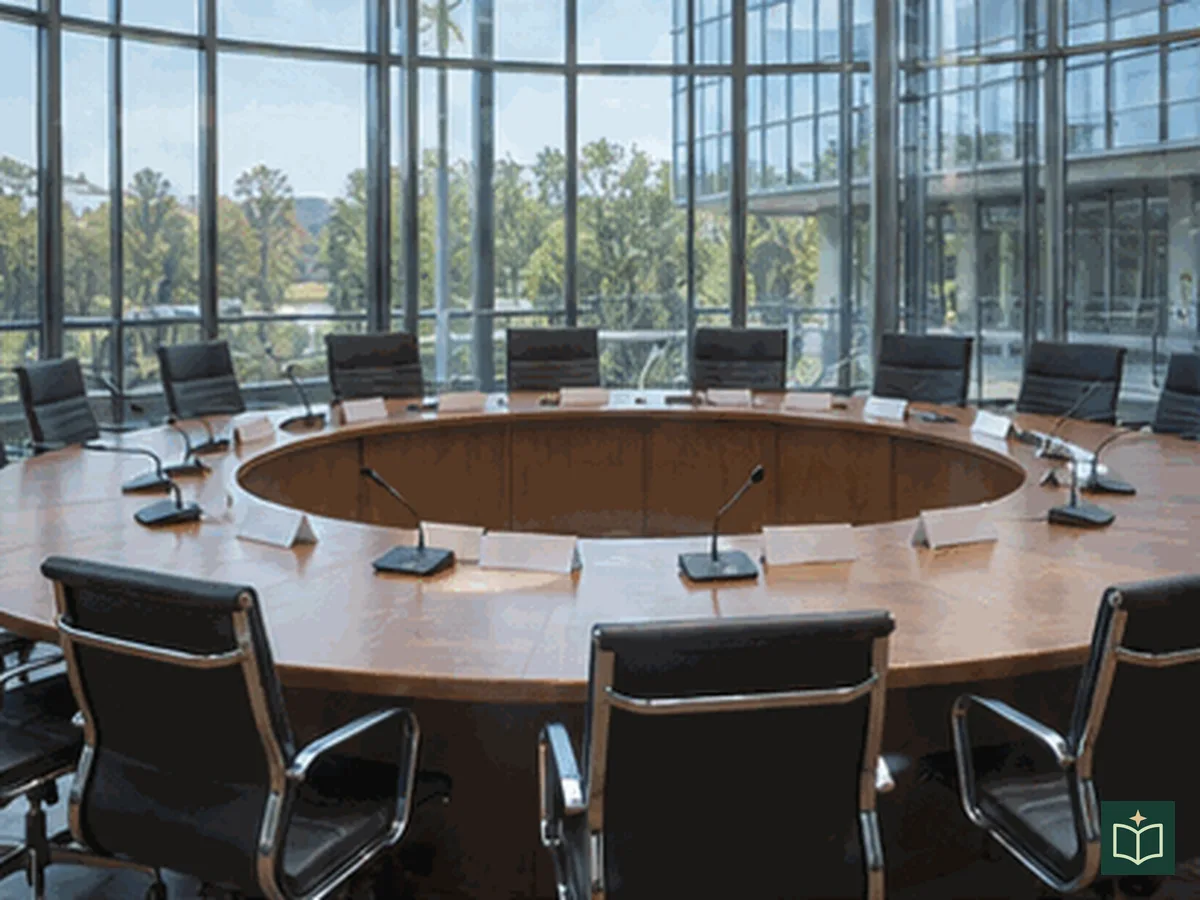
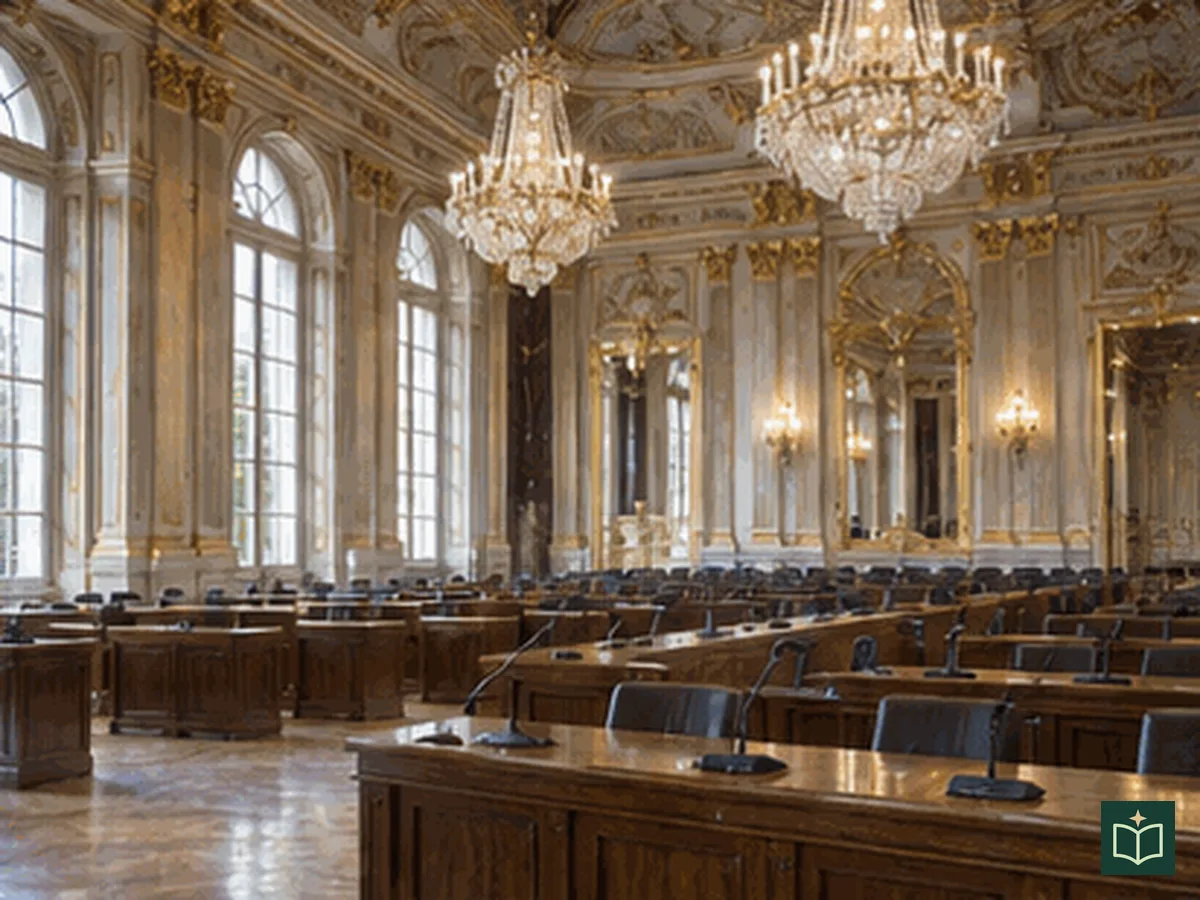
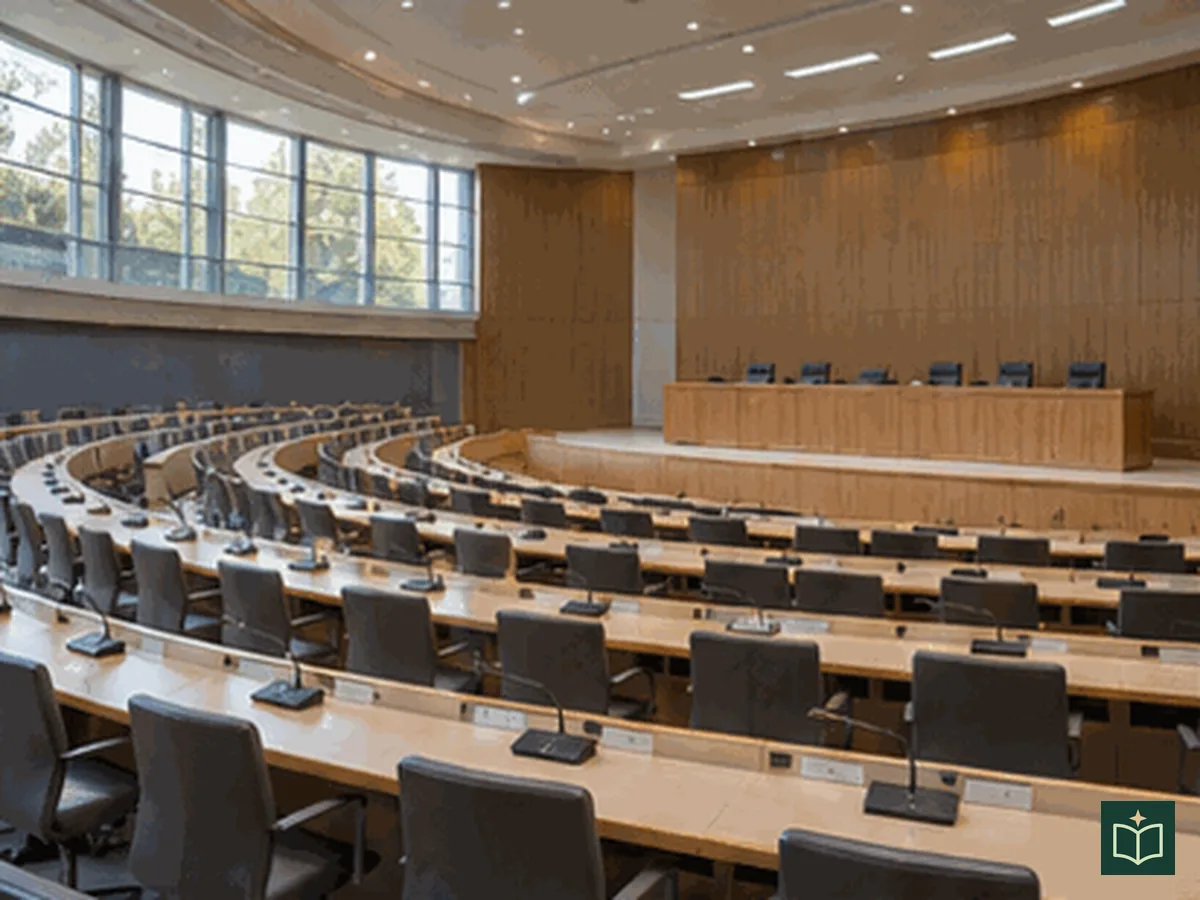
The Economic and Social Council, known as ECOSOC, is one of the six principal organs created by the UN Charter in 1945, alongside the General Assembly, the Security Council, the International Court of Justice, the Secretariat and the Trusteeship Council. Chapter X of the Charter gives it responsibility for international economic, social, cultural, educational and health matters, and for promoting respect for human rights. Where the Security Council deals with threats to peace, ECOSOC handles almost everything else that affects daily life: development, trade, employment, population, gender equality and the environment. It meets in New York and Geneva, and its decisions are mostly recommendations rather than binding orders.
Fifty-four elected members
ECOSOC began with 18 members. Charter amendments enlarged it to 27 in 1965 and to 54 in 1973, reflecting the rapid growth of UN membership after decolonisation. Members are elected by the General Assembly for three-year terms, with 18 seats coming up each year, and retiring members may be re-elected. Seats are shared among regional groups: 14 for African states, 11 for Asia-Pacific, 10 for Latin America and the Caribbean, 13 for Western European and other states, and 6 for Eastern Europe. Each member has one vote and decisions are taken by a simple majority, although many are adopted without a vote. There are no permanent seats and no veto.
A coordinating hub
Much of ECOSOC's significance lies in coordination. Under the Charter, specialised agencies such as the World Health Organization, the International Labour Organization and the Food and Agriculture Organization are brought into relationship with the UN through agreements negotiated by ECOSOC. The council also oversees functional commissions, including the Statistical Commission and the Commission on the Status of Women, and five regional economic commissions for Africa, Europe, Latin America, Asia-Pacific and Western Asia. The last, known as ESCWA and based in Beirut, includes the Gulf states. ECOSOC receives reports from these bodies and tries to make their work pull in the same direction.
Consultative status for NGOs
Article 71 of the Charter allows ECOSOC to consult non-governmental organisations, and this has become one of its most distinctive roles. More than 6,000 NGOs hold consultative status, ranging from global humanitarian charities to professional associations and research institutes. Status comes in three categories: general, for large organisations working across most of the council's agenda; special, for those with expertise in particular fields; and roster, for groups that contribute occasionally. Applications are reviewed by a 19-member Committee on NGOs, made up of states, whose recommendations go to the full council. Accredited organisations can attend meetings, submit written statements and, in some cases, speak, giving civil society a formal route into UN discussions.
Limits and criticisms
ECOSOC cannot compel governments or agencies to act. Its resolutions guide but do not bind, and the specialised agencies keep their own governing boards and budgets. Critics have long argued that its agenda is crowded and its impact hard to measure, and several reforms have sought to streamline its work and strengthen its role in follow-up to global development agreements. Supporters point out that it provides a rare forum where governments, UN agencies, businesses and civil society meet on the same footing. Its value often lies less in individual resolutions than in the accreditations, elections and reporting arrangements that keep a sprawling system connected.
Why it matters
For anyone following global development, ECOSOC is a useful place to look. National reports on the Sustainable Development Goals are presented in its forum, and its commissions produce the statistical standards and policy recommendations that governments use. For NGOs, consultative status is often the first step towards participating in UN processes. For countries, an ECOSOC seat brings influence over appointments to a wide range of UN bodies. Its quiet coordinating role rarely makes headlines, but much of the machinery that links the UN's agencies, commissions and civil-society partners runs through this council of 54 members, year after year, largely out of public view.
Sources & further reading
Figures are rounded and widely published; check the linked organisations for the latest editions. These organisations do not endorse this website.