Machines too small to see
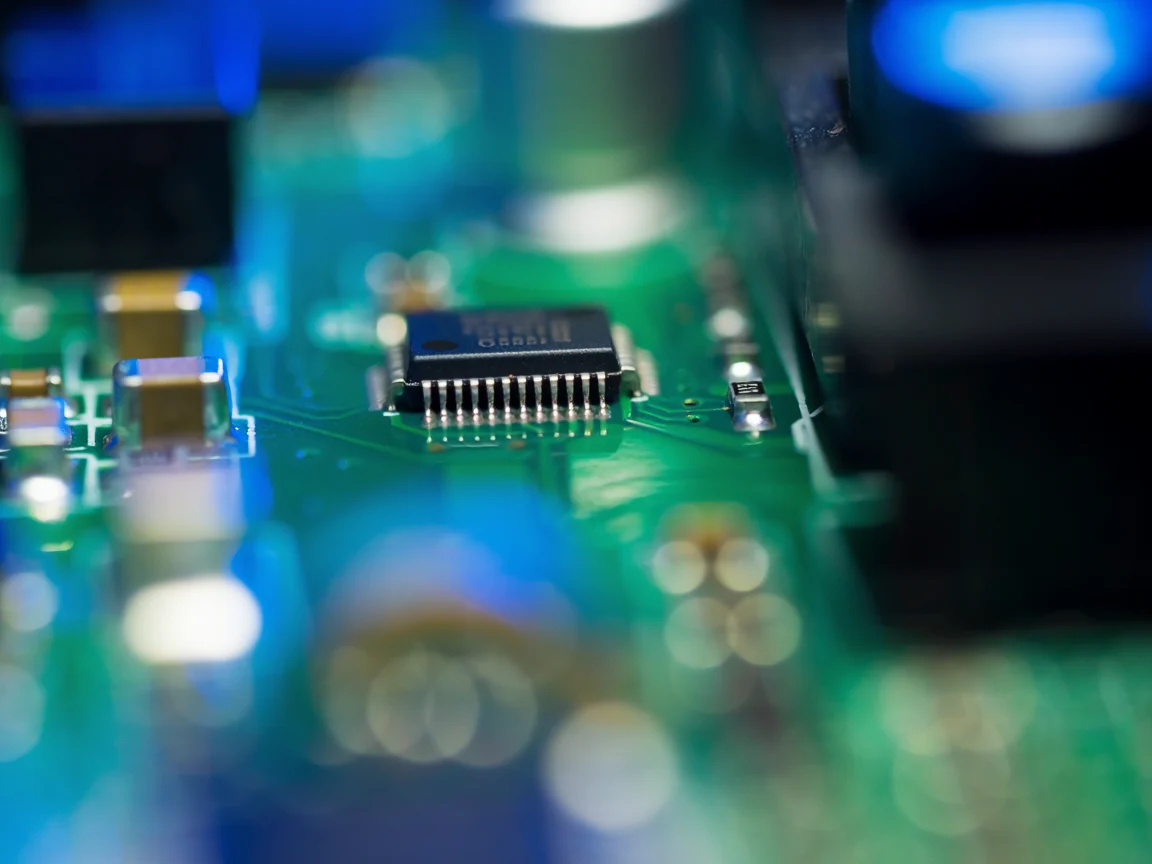
MEMS—micro-electromechanical systems—are built using the same techniques as computer chips. Etched into silicon are combs, springs and masses measured in micrometres. When the phone moves, these parts move too, changing the electrical capacitance between them, which the chip measures with great precision.
The accelerometer
An accelerometer contains a small proof mass suspended on springs. Gravity always pulls on it, so the chip knows which way is down; that is how the screen knows to rotate. Sudden changes in acceleration reveal footsteps, a phone being dropped, or a car braking.
The gyroscope
A MEMS gyroscope contains a structure that vibrates constantly. When the phone turns, the Coriolis effect pushes the vibrating part sideways by a tiny amount, which reveals the rate of rotation. Gyroscopes make games, image stabilisation and augmented reality respond smoothly.
Sensor fusion
Each sensor has weaknesses: accelerometers are noisy, gyroscopes drift over time, and magnetometers are confused by nearby metal. Software blends all three, along with GPS and a barometer, to produce a stable estimate of where the phone is pointing and how it is moving.
Sources & further reading
Simplified explanation; sensor designs vary by manufacturer. Photograph: original AI-generated illustration (Adobe Firefly). Reference organisations do not endorse this website.