An old idea
Benjamin Franklin joked in 1784 that Parisians could save candles by rising earlier. The modern proposal came from New Zealand entomologist George Hudson in 1895 and British builder William Willett in 1907. Germany and its allies introduced it in 1916 to save coal during the First World War, and many countries followed.
How it works
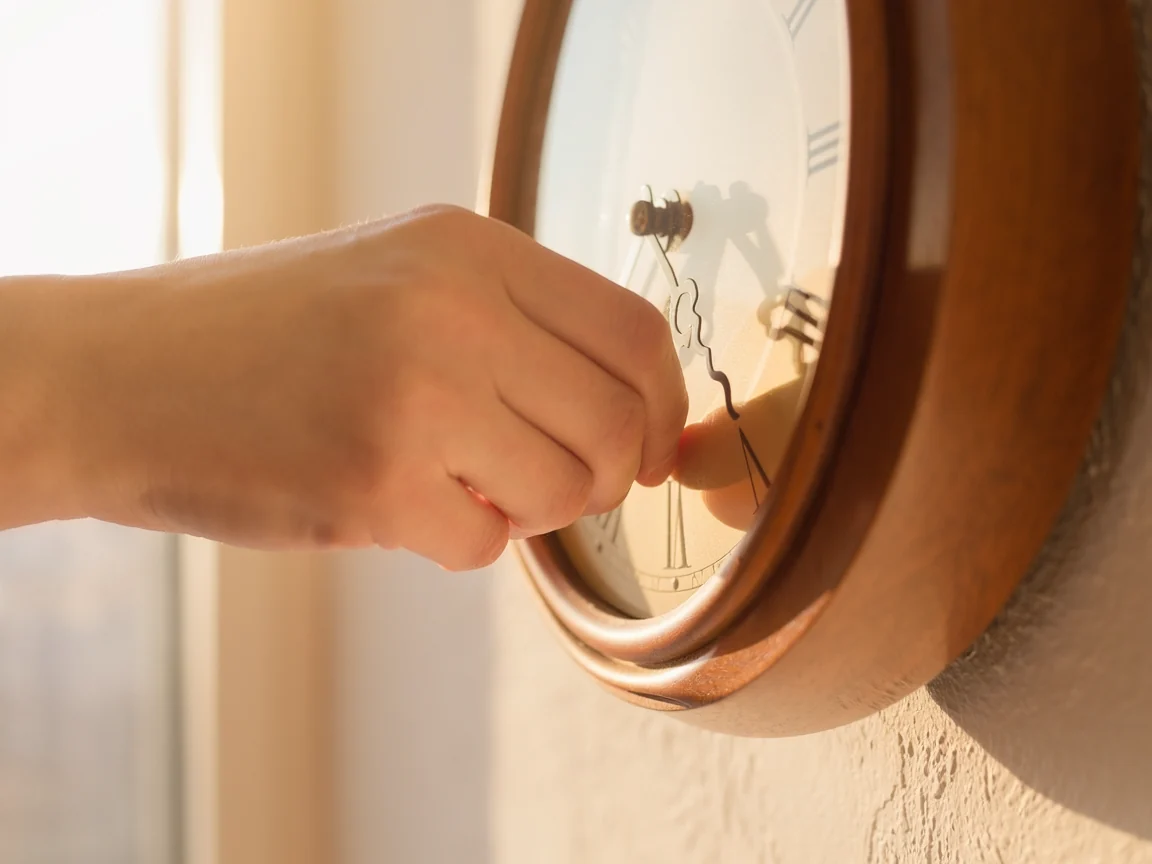
In spring, clocks move forward an hour, so sunrise and sunset both happen an hour later by the clock. Evenings stay lighter for leisure and shopping, while mornings become darker. In autumn, clocks return to standard time. Dates differ between regions: the European Union and the United States change on different weekends.
The debate
Supporters say lighter evenings reduce traffic accidents, encourage exercise and help some businesses. Critics point to research suggesting the spring change disrupts sleep and may briefly raise heart attack and accident risks, and studies on energy savings are mixed. Several governments have debated permanent standard or summer time.
Who uses it
Daylight saving is common in Europe and North America and parts of the southern hemisphere, but most of Asia, Africa and the Middle East do not use it. Near the equator, day length barely changes through the year, so there is little light to shift. The United Arab Emirates, for example, keeps the same time all year.
Sources & further reading
Rules change by country; check local government announcements for current dates. Photograph: original AI-generated illustration (Adobe Firefly). Reference organisations do not endorse this website.