Living from land that cannot be farmed
Across much of the world, rainfall is too low or too unpredictable to grow crops reliably, yet grasses and shrubs still grow after rain. People cannot digest these plants, but sheep, goats, camels, cattle, yaks and reindeer can. Pastoralism is the way of life built on that conversion: people raise herds that turn sparse vegetation into milk, meat, wool, hides and transport. When herders move with their animals across the year rather than staying in one place, the system is called pastoral nomadism. Related practices include transhumance, where herders move between fixed summer and winter pastures, often up and down mountains, while keeping a permanent home.
Why mobility works
Dryland grazing is patchy in both space and time. Rain falls in one valley and misses the next, and good pasture may last only weeks. A herd kept in one place would strip its grazing and then starve, while the herd that follows the rain finds fresh grass. Moving also lets pasture recover after grazing, spreads manure, and reduces the build-up of parasites around camps. For this reason many ecologists now see mobile herding as well suited to drylands, not as a primitive stage before settled farming. The key resources are information about where rain has fallen and secure access to water and grazing across large areas.
The Bedouin of Arabia
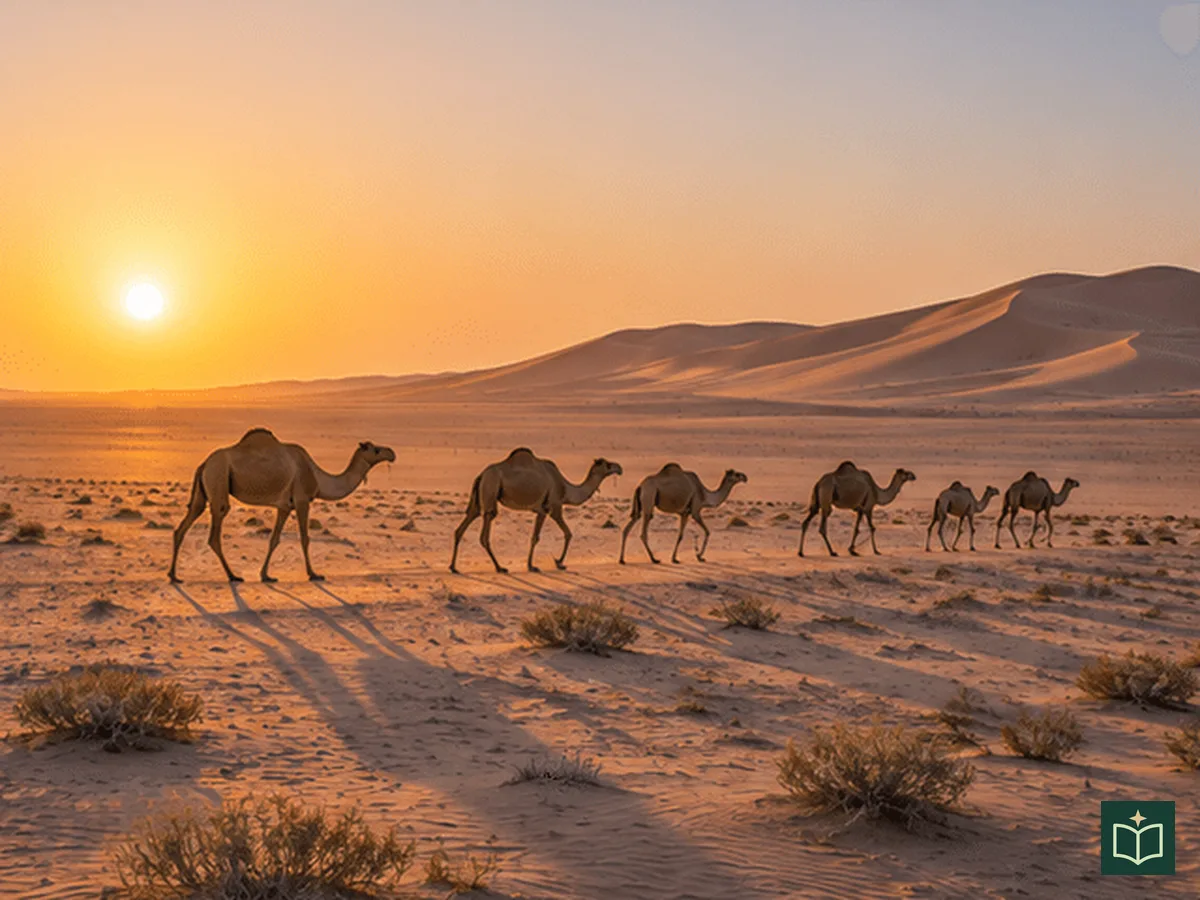
In Arabia, Bedouin tribes raised camels, goats and sheep across deserts where rain might not fall for years in a given place. Camels were central: they can go days without drinking in hot weather, eat thorny desert plants and provide milk, meat, wool and transport. Families typically dispersed into the desert in the cooler months after rains, when pasture appeared, and gathered near wells and oases in the summer heat. In the area of the modern UAE, many families combined herding with date farming in oases such as Liwa and Al Ain and with fishing and pearling on the coast, moving between them with the seasons.
Herders of the Mongolian steppe
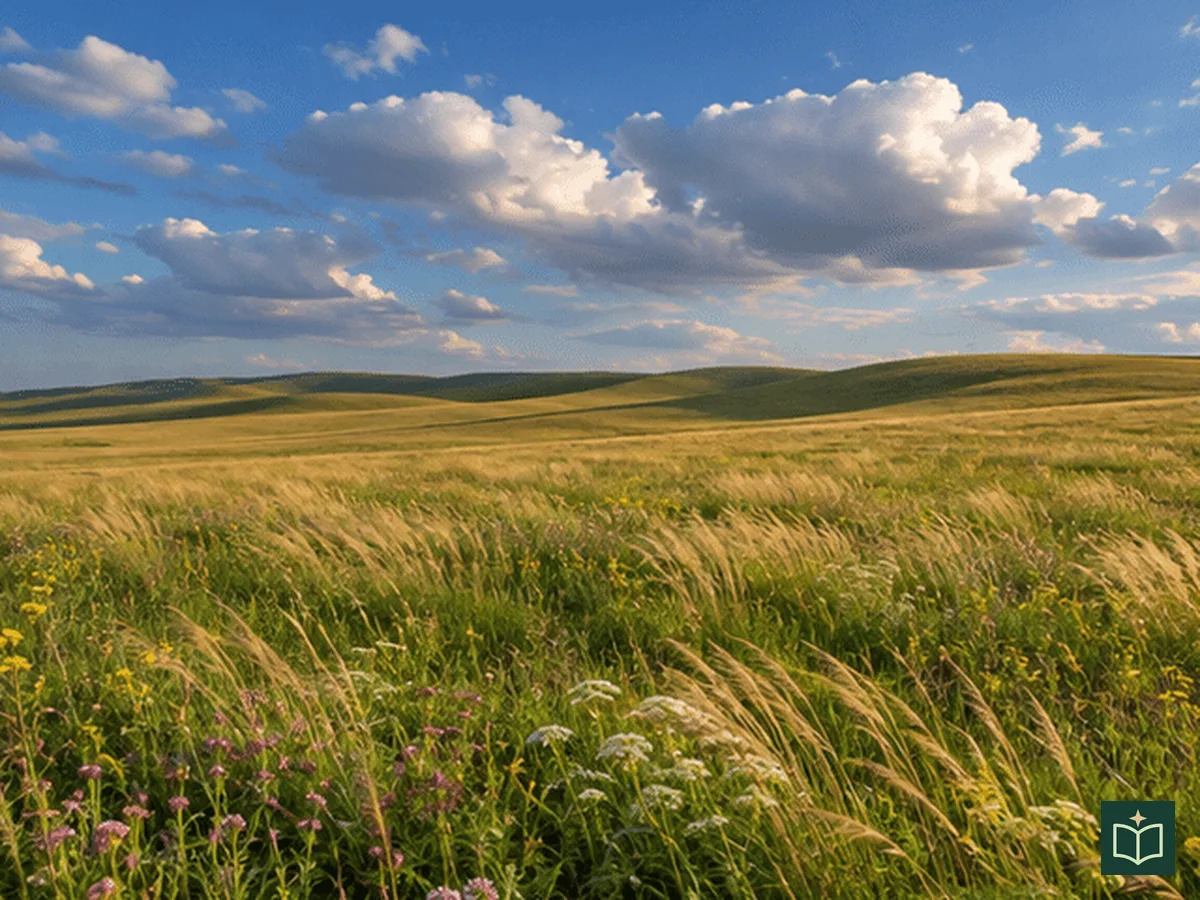
Mongolia remains one of the countries where nomadic herding is most widespread. Families keep the five traditional animals, horses, camels, cattle including yaks, sheep and goats, and live in round felt tents called gers that can be taken down and moved in a few hours. Many move several times a year between spring, summer, autumn and winter camps, with sheltered winter sites chosen to protect animals from bitter winds. The greatest threat is the dzud, a harsh winter in which deep snow or ice prevents animals from reaching grass. Severe dzuds, such as the one in 2009 and 2010, have killed millions of livestock.
Pressure on a mobile way of life
Over the past century, pastoral nomads have faced pressure almost everywhere. Borders cut across old migration routes, governments encouraged settlement for schooling, health care and administration, and farms, fences and towns occupied key pastures and water sources. Drilled wells and trucks have changed herding itself, letting animals reach new areas but sometimes concentrating them around boreholes where overgrazing follows. In the Gulf, most Bedouin families settled in towns during the oil era, though camel ownership, racing and desert camps remain important cultural traditions. In Africa’s Sahel and East Africa, competition over land and water has sometimes contributed to local conflict between herders and farmers.
Why it still matters
Rangelands, the grasslands, shrublands and deserts grazed by livestock, cover a large share of the world’s land, and hundreds of millions of people depend on herding for at least part of their living. International agencies increasingly recognise that secure mobility, access to water and early warning of drought or harsh winters are among the best ways to support them. Mobile phones and satellite data now help herders share news of pasture and prices. Nomadism also carries deep cultural knowledge, from reading clouds and plants to breeding animals suited to harsh places, knowledge that remains useful as climate patterns grow less predictable.
Sources & further reading
- FAO · Pastoralist Knowledge Hub ↗
- Britannica · Pastoral nomadism ↗
- UNESCO · Intangible cultural heritage ↗
Figures are rounded and widely published; check the linked organisations for the latest editions. These organisations do not endorse this website.