Measuring a journey
Until recently, migration distances were guesses based on where birds were ringed and later found. Miniature geolocators, satellite tags and GPS loggers now record the actual route, revealing detours that make journeys far longer than a straight line. This ranking uses the best tracked figures, mostly for a full yearly cycle out and back. Some rows record a single remarkable animal, such as one grey whale or one leatherback turtle, and are marked as such. Distances vary between individuals and years, so values are rounded. The list covers seasonal migrations, not the wanderings of animals such as albatrosses that roam the oceans without a fixed annual route.
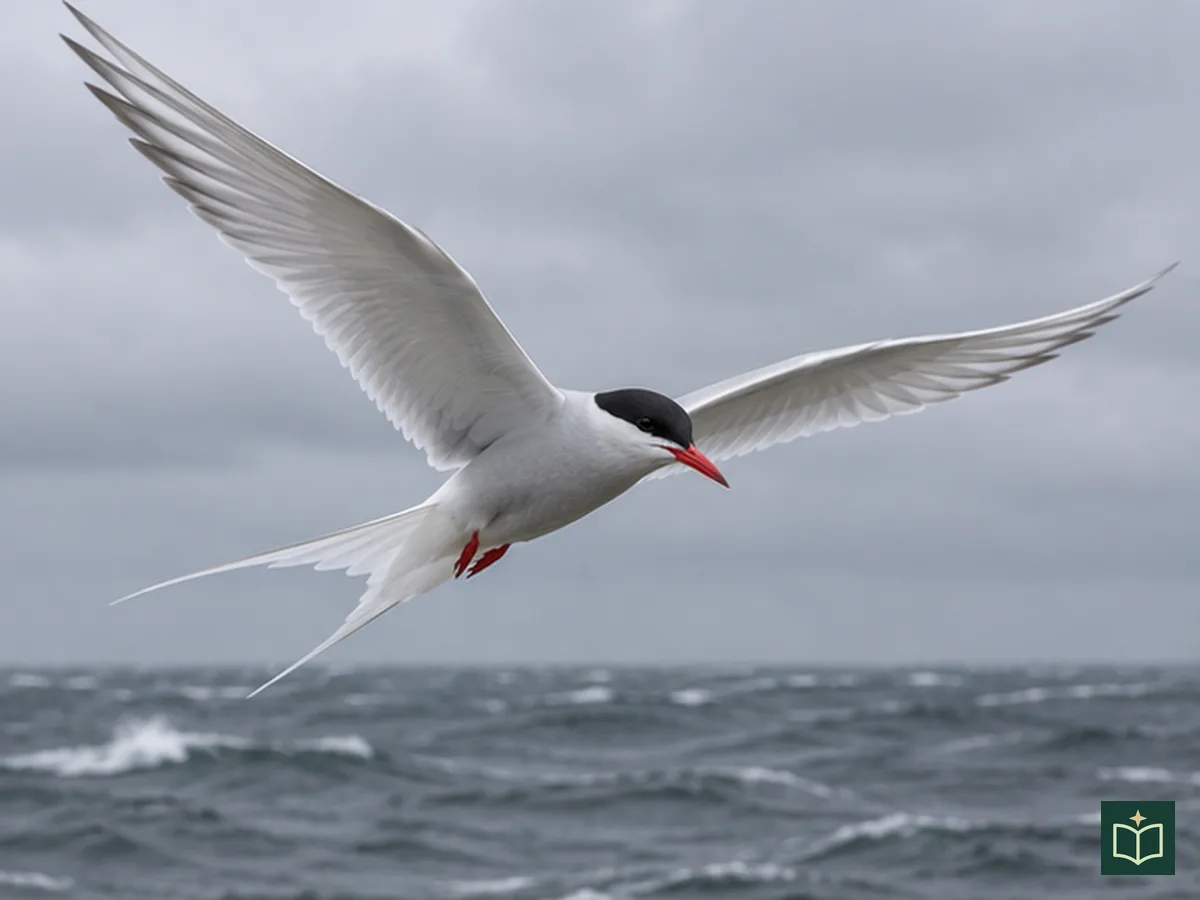
The Arctic tern
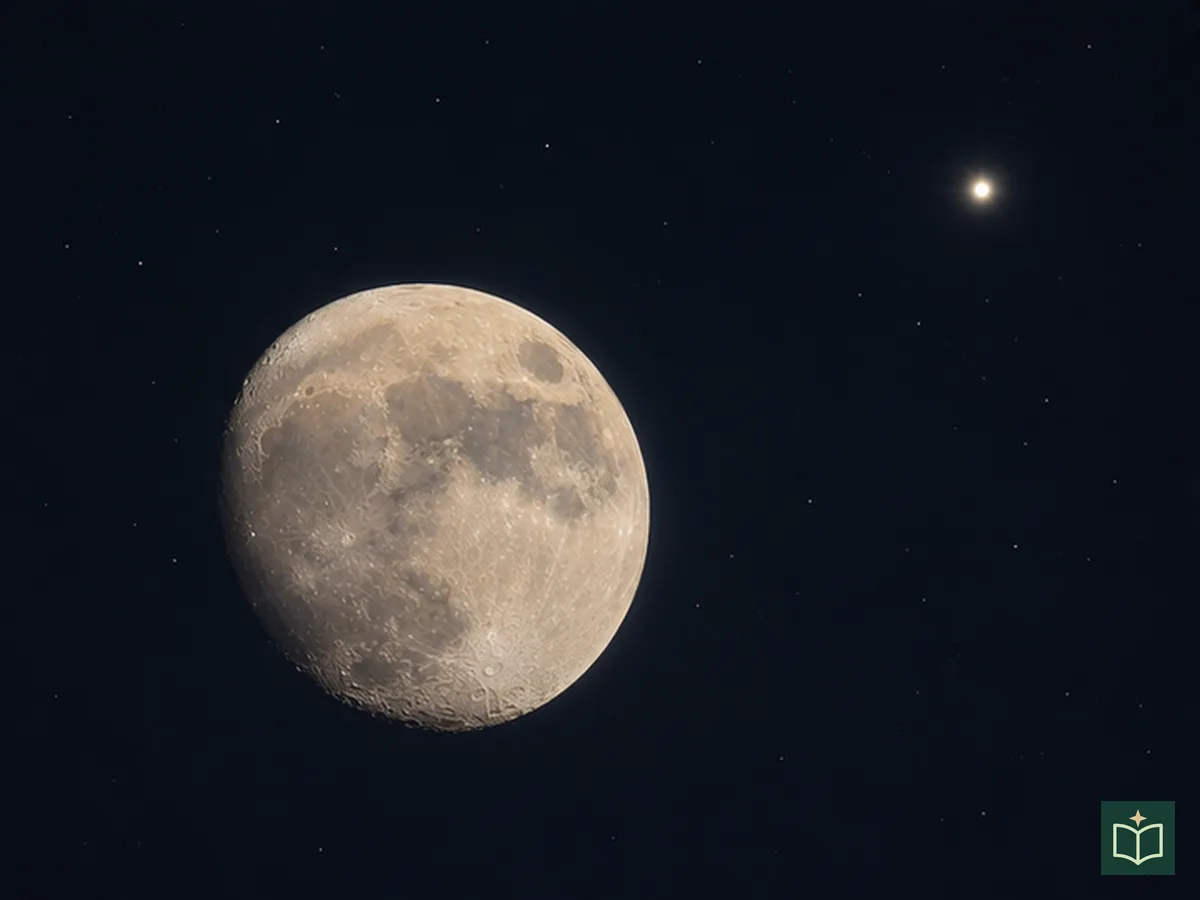
The Arctic tern, a seabird weighing about 100 grams, breeds around the Arctic and spends the northern winter off Antarctica, enjoying two summers a year. A 2010 study of birds from Greenland and Iceland found an average round trip of about 71,000 kilometres, because the terns follow winds in an S-shaped route down the Atlantic rather than flying directly. Birds from the Farne Islands in England were later tracked covering up to about 96,000 kilometres. Terns can live for 30 years. At 71,000 kilometres a year, that adds up to about 2.1 million kilometres, nearly three times the distance to the Moon and back.
Shearwaters, wheatears and godwits
Sooty shearwaters breeding in New Zealand trace a figure of eight across the Pacific, reaching feeding grounds off Japan, Alaska and California before returning, a loop of about 64,000 kilometres. The northern wheatear, a songbird of only about 25 grams, makes one of the longest journeys of any small bird: those breeding in Alaska winter in East Africa, about 30,000 kilometres there and back. The bar-tailed godwit holds the record for non-stop flight. In 2022 a young bird flew about 13,560 kilometres from Alaska to Tasmania without landing. Before departure, godwits store fat and shrink their digestive organs to save weight.
Whales, seals and turtles
In the oceans, grey whales travel between Arctic feeding grounds and calving lagoons in Mexico. One whale tagged off Russia’s Sakhalin Island swam to Mexico and back, about 22,500 kilometres, the longest recorded mammal migration. Northern elephant seals make two journeys a year, one after breeding and one after moulting, covering around 21,000 kilometres for adult males. Humpback whales move about 8,000 kilometres each way between polar feeding and tropical breeding waters. A leatherback turtle tagged in Indonesia swam about 20,500 kilometres to feeding grounds off Oregon over roughly two years, crossing the whole Pacific. Both whales feed little during the long journey.
Insects that relay
Some insects migrate in relays. The globe skimmer dragonfly crosses the Indian Ocean between India and East Africa, riding monsoon winds and stopping in the Maldives. Researchers estimate the full circuit at about 14,000 to 18,000 kilometres, completed over several generations, since no individual lives long enough to make the whole trip. North America’s monarch butterflies fly up to about 4,500 kilometres south each autumn to overwinter in the mountains of central Mexico. The return north in spring is completed by their children and grandchildren. How later generations find a route they have never flown is still being studied, with the Sun and Earth’s magnetic field both involved.
Flyways and stopovers
Long journeys depend on places to rest and refuel. Godwits and many other shorebirds stop on the tidal flats of the Yellow Sea, where land reclamation has removed much of their habitat. The UAE lies on one of the great bird routes between Africa, Europe and Asia, and wetlands such as Ras Al Khor in Dubai and the coastal mudflats of Abu Dhabi support waders, flamingos and other migrants each winter. Protecting a migratory species means protecting a chain of sites across many countries, which is why treaties such as the Convention on Migratory Species exist. Loss of a single link can weaken an entire population.
Sources & further reading
Figures are rounded and widely published; check the linked organisations for the latest editions. These organisations do not endorse this website.