Plates, not continents
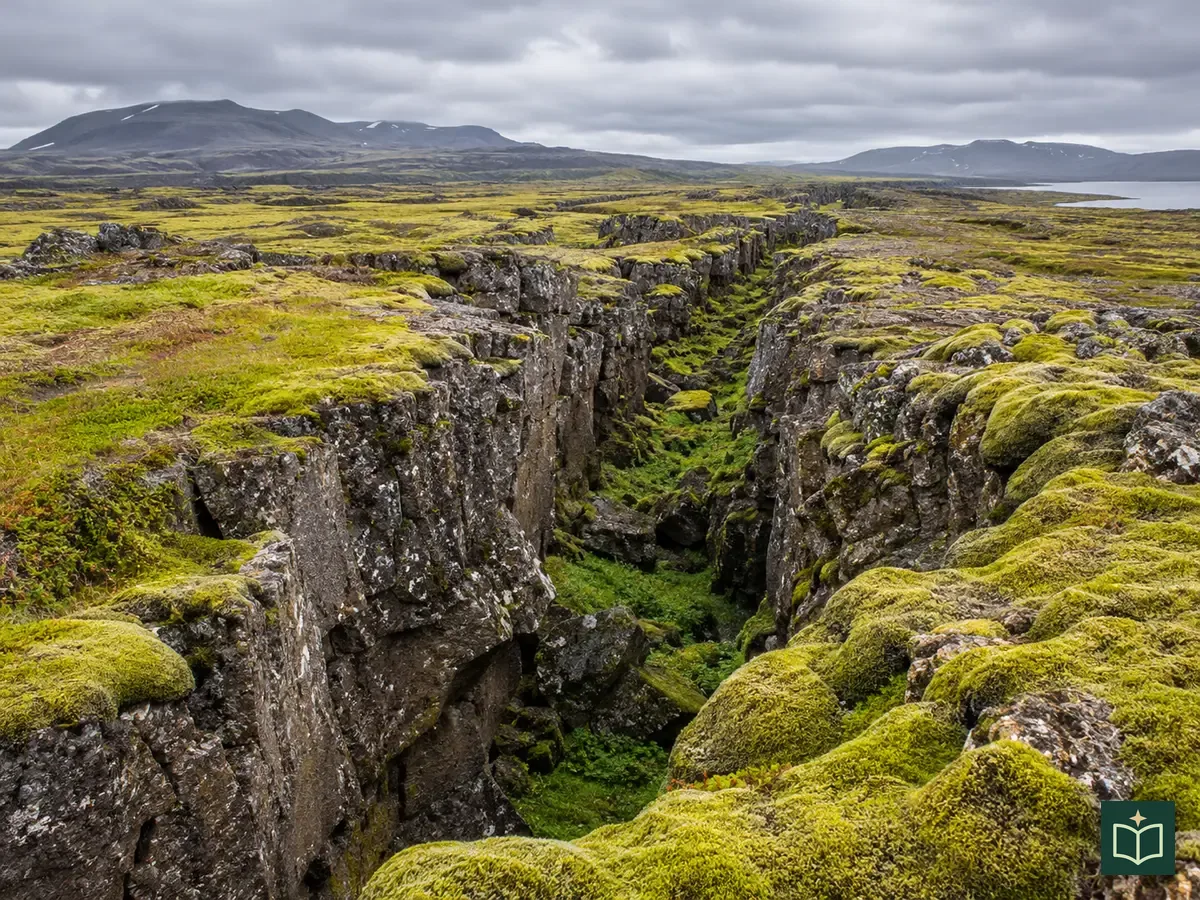
Earth’s outermost layer, the lithosphere, is a rigid shell roughly 100 kilometres thick that is broken into pieces called tectonic plates. They ride on a hotter, weaker layer of the mantle beneath and move relative to one another at a few centimetres a year. Plates do not follow the outlines of continents. Most carry both continental crust and ocean floor, and their edges often run through the middle of oceans. The North American plate, for instance, includes Greenland, the western half of the North Atlantic, the eastern tip of Siberia and part of Iceland, where the Mid-Atlantic Ridge comes ashore and the island is slowly being pulled apart.
How plates are counted
There is no single official number of plates. Geologists commonly describe seven or eight major plates, around a dozen if mid-sized ones are included, and dozens more microplates. One widely used global model divides the surface into 52 plates. Definitions also change as research advances. The Indian and Australian plates were long treated as a single Indo-Australian plate, and some sources still combine them, which would give an area of almost 59 million square kilometres. Similarly, the Somali plate, which is separating from the rest of Africa along the East African Rift, is sometimes counted as part of the African plate. The areas here are rounded figures from such models.
The Pacific plate
The Pacific plate is the largest by far and is almost entirely oceanic. It is moving north-westwards at several centimetres a year, faster than most other plates. Around much of its edge, oceanic crust is sinking back into the mantle beneath neighbouring plates at deep trenches, creating the chain of earthquakes and volcanoes known as the Ring of Fire. Japan, Indonesia, Alaska and New Zealand all lie on this belt. In the middle of the plate, Hawaii shows another process at work: as the plate drifts over a hotspot of rising mantle, a line of volcanic islands forms, ageing steadily towards the north-west.
The continental heavyweights
The North American, Eurasian, African and Antarctic plates each carry a whole continent plus large areas of ocean floor. The African and Antarctic plates are nearly identical in size and move relatively slowly. The Antarctic plate is almost entirely surrounded by spreading ridges, where new ocean floor is being created. The South American plate, seventh, meets the small Nazca plate along the west coast of South America, where the Nazca plate dives beneath the continent. That collision has built the Andes and causes some of the most powerful earthquakes on record, including the magnitude 9.5 earthquake in Chile in 1960, the largest ever measured by instruments.
The Arabian plate
The Arabian plate, at roughly five million square kilometres, ranks just outside the top ten. It began to separate from Africa tens of millions of years ago as the Red Sea and the Gulf of Aden opened, and it is now moving north-eastwards at about two centimetres a year. Where it pushes into Eurasia, the crust has folded into the Zagros Mountains of Iran, and the Gulf occupies a sinking basin in front of them. In Oman, the Hajar Mountains contain a famous slab of ancient ocean floor thrust onto the edge of the plate. Some of the world’s largest oil and gas reserves lie in the thick sediments of this region.
Why plates matter
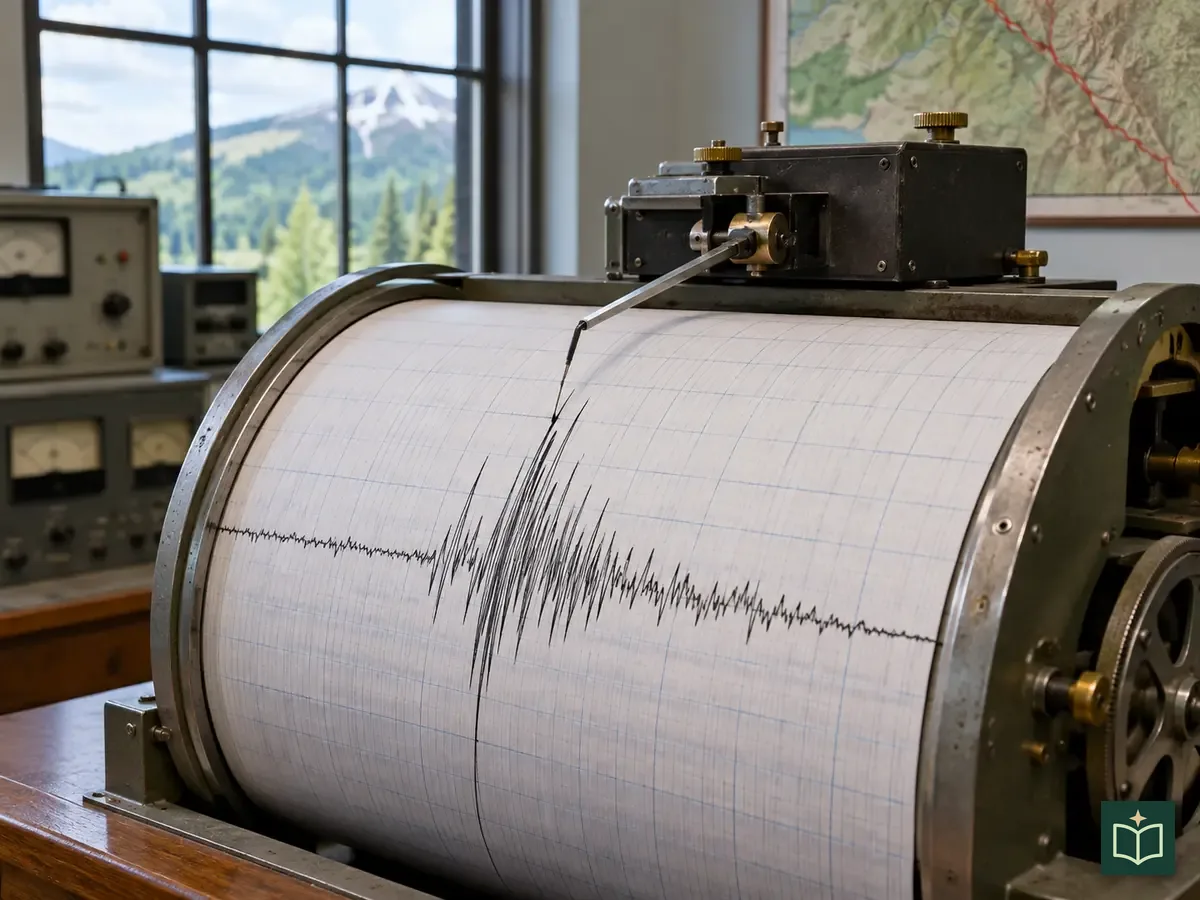
Most of the world’s earthquakes and volcanoes occur along plate boundaries, so knowing where plates meet and how fast they move helps scientists assess hazards. Networks of satellite positioning stations now measure plate motions directly, confirming rates first inferred from magnetic stripes on the sea floor. Plate movements also build mountains, open oceans and shape where minerals, oil and gas accumulate. Over hundreds of millions of years they have assembled and broken up supercontinents. The Himalaya, raised by the collision of the Indian plate with Eurasia, and the Zagros, raised by Arabia, are both reminders that the ground beneath us is very slowly on the move.
Sources & further reading
Figures are rounded and widely published; check the linked organisations for the latest editions. These organisations do not endorse this website.