The cast of characters
A typical card payment involves you (the cardholder), your bank (the issuer), the shop (the merchant), the shop’s bank or payment provider (the acquirer) and a card network such as Visa or Mastercard, which connects them. The network does not usually lend money; it sets the rules and routes the messages and settlement between issuers and acquirers.
The authorisation
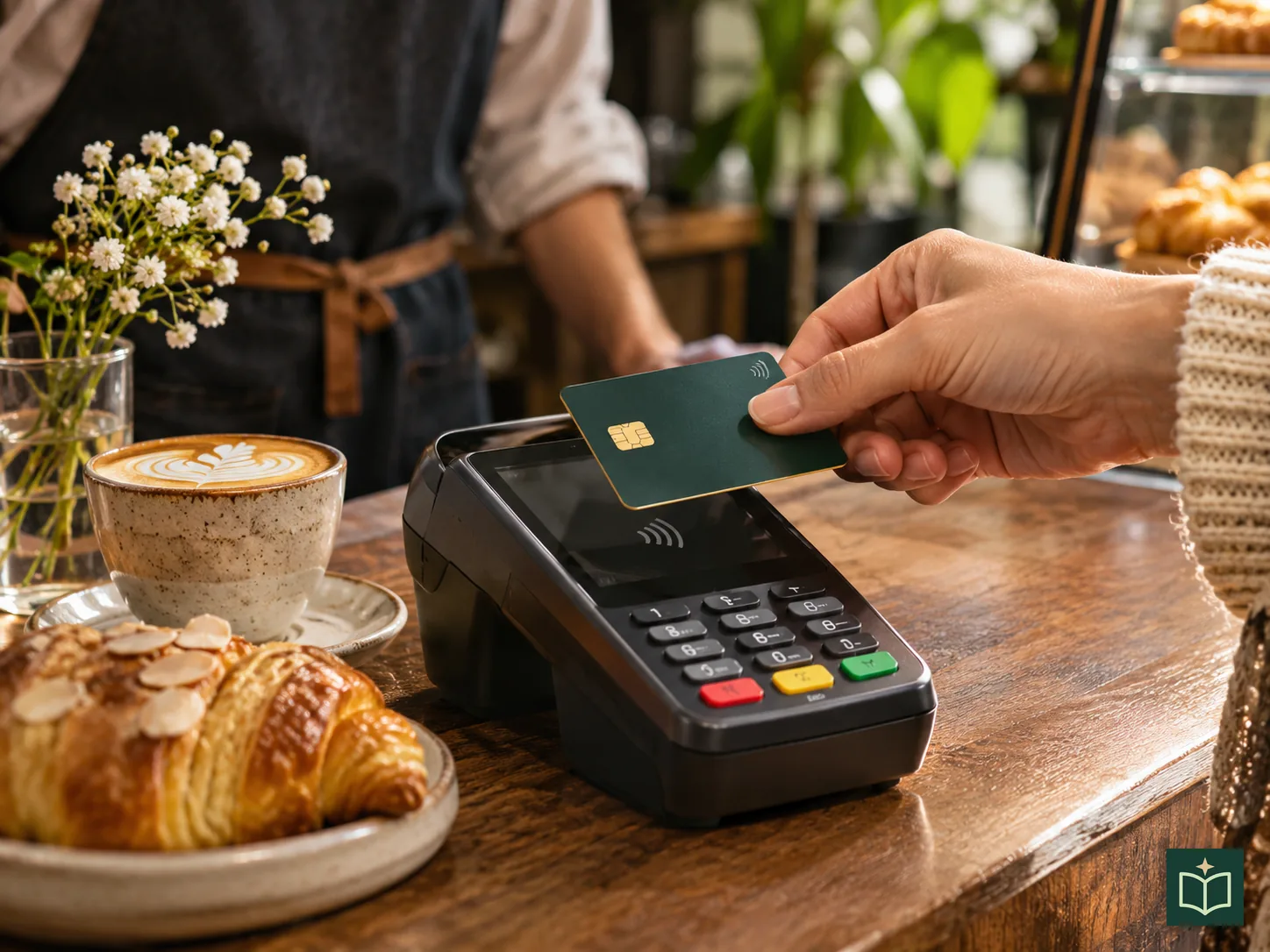
When you tap, the terminal reads a one-time code generated by the chip, which makes copied card data much less useful to fraudsters. The request travels to the acquirer, across the network to your bank, which checks your balance or credit limit and runs fraud checks. An approval or decline comes back, usually in a second or two.
Clearing and settlement
Approval places a hold on your funds, but the money has not yet moved. At the end of the day, merchants send their transactions in batches. The network calculates what each bank owes, and funds are settled between them, typically within one or two business days. That is why a pending transaction can look different from a posted one.
Who pays for it
The merchant pays fees on each transaction. Part goes to the issuing bank as an interchange fee, part to the network and part to the acquirer. Those fees help pay for fraud protection, rewards and the infrastructure. Rules and fee caps differ by country, which is why some shops set minimum card amounts or add surcharges where allowed.
Sources & further reading
Figures are rounded and widely published; check the linked organisations for the latest editions. These organisations do not endorse this website.