The problem of plenty
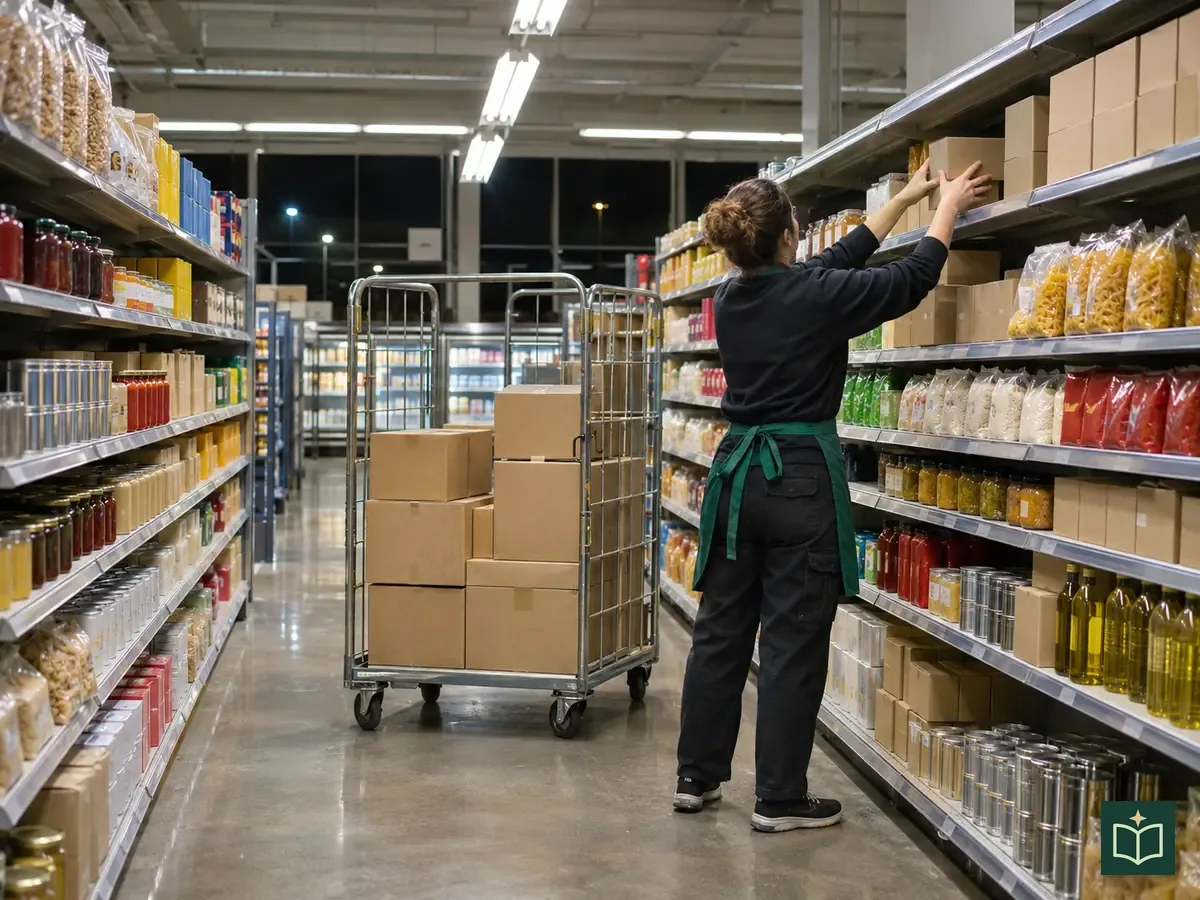
A large supermarket may stock tens of thousands of different products, from bread with a shelf life of days to tinned goods that last for years. Shoppers expect all of them to be available, all the time, yet each store has limited shelf space and very little room for storage at the back. Holding too much stock ties up money, wastes space and leads to spoiled food; holding too little leaves empty shelves and lost sales. Retailers solve this tension with an information system rather than large stockrooms. The goal is to deliver roughly what will be sold, shortly before it is needed, and no more.
The data trail
Every time a barcode is scanned at the till, the store’s system records the sale and reduces the stock count for that product. Forecasting software combines these sales with patterns such as the day of the week, holidays, weather and promotions to predict demand. In the Gulf, for instance, demand for certain foods rises sharply before and during Ramadan and Eid, and retailers plan months ahead. When predicted stock falls below a set level, the system raises an order automatically. Store staff can adjust orders for local knowledge, such as a nearby event. Inaccurate stock records, caused by theft, damage or miscounting, are a common source of gaps.
The distribution centre
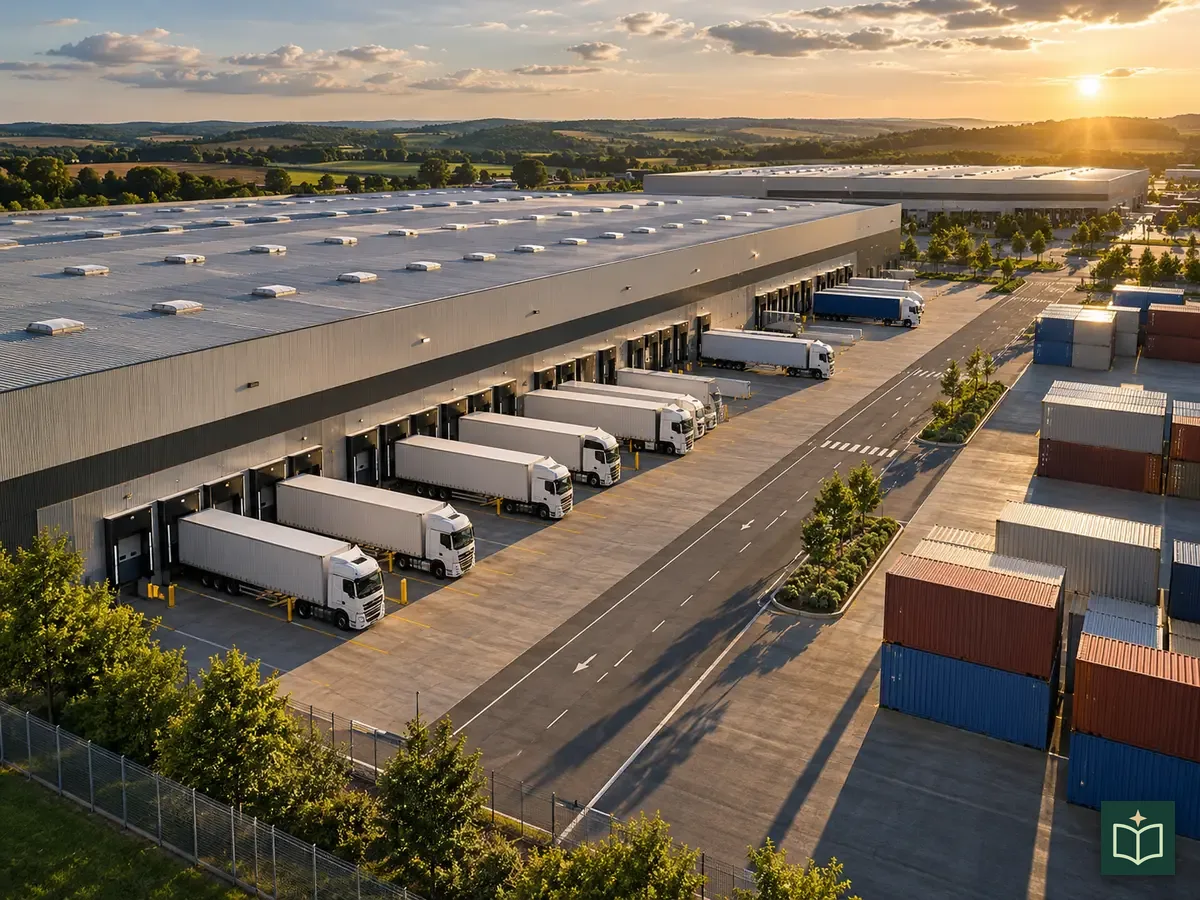
Most supermarkets do not receive deliveries directly from each of hundreds of suppliers. Instead, suppliers deliver in bulk to a regional distribution centre, a vast warehouse often divided into ambient, chilled and frozen zones. There, orders from many stores are picked and assembled into mixed loads, so that each store receives one or a few lorries containing many products. Some goods are cross-docked, moving straight from an incoming lorry to an outgoing one without being stored. Fresh produce may pass through in hours. Distribution centres increasingly use automated storage, robotic picking and conveyors, allowing a small number of staff to assemble orders for dozens of stores every night.
Just-in-time, borrowed from cars
The philosophy behind this system has roots in manufacturing. Toyota developed just-in-time production in post-war Japan, aiming to make and move only what was needed, when it was needed, reducing waste from excess inventory. Retailers adopted similar principles from the 1980s onwards, helped by barcodes and computerised stock systems. The result is efficient but lean: a typical supermarket holds only a few days of many products. That efficiency has a cost. When demand surges unexpectedly, as during panic buying early in the COVID-19 pandemic, or when supply is disrupted, shelves can empty within hours because there is little reserve stock in the system.
Misconceptions
Empty shelves do not always signal a shortage of the product itself. More often, they reflect a timing problem: the lorry is late, staff have not yet restocked, or demand briefly outpaced the forecast. Conversely, packed shelves do not mean a store holds large reserves; much of the visible stock may be all there is until the next delivery. Many people also assume that stores order manually, but for most products the process is automated, with staff overseeing exceptions. Finally, wasted food is not simply careless. Retailers balance the risk of running out against the risk of overstocking perishable goods, and some waste is the price of reliable availability.
What to watch
Retailers are refining forecasts with machine learning and real-time data, aiming to reduce both waste and empty shelves. Electronic shelf labels allow prices to change quickly, including discounts on items nearing their date. Online grocery orders, picked either in stores or in dedicated warehouses, add a new flow to manage. After recent disruptions, some companies hold more safety stock for critical items, accepting higher costs for resilience, a shift sometimes described as moving from just-in-time to just-in-case. Food security strategies in import-dependent countries, including the UAE, also emphasise strategic reserves and diverse suppliers alongside efficient retail logistics, so that a disruption abroad does not quickly empty local shelves.
Sources & further reading
Figures are rounded and widely published; check the linked organisations for the latest editions. These organisations do not endorse this website.