The oldest kind of insurance
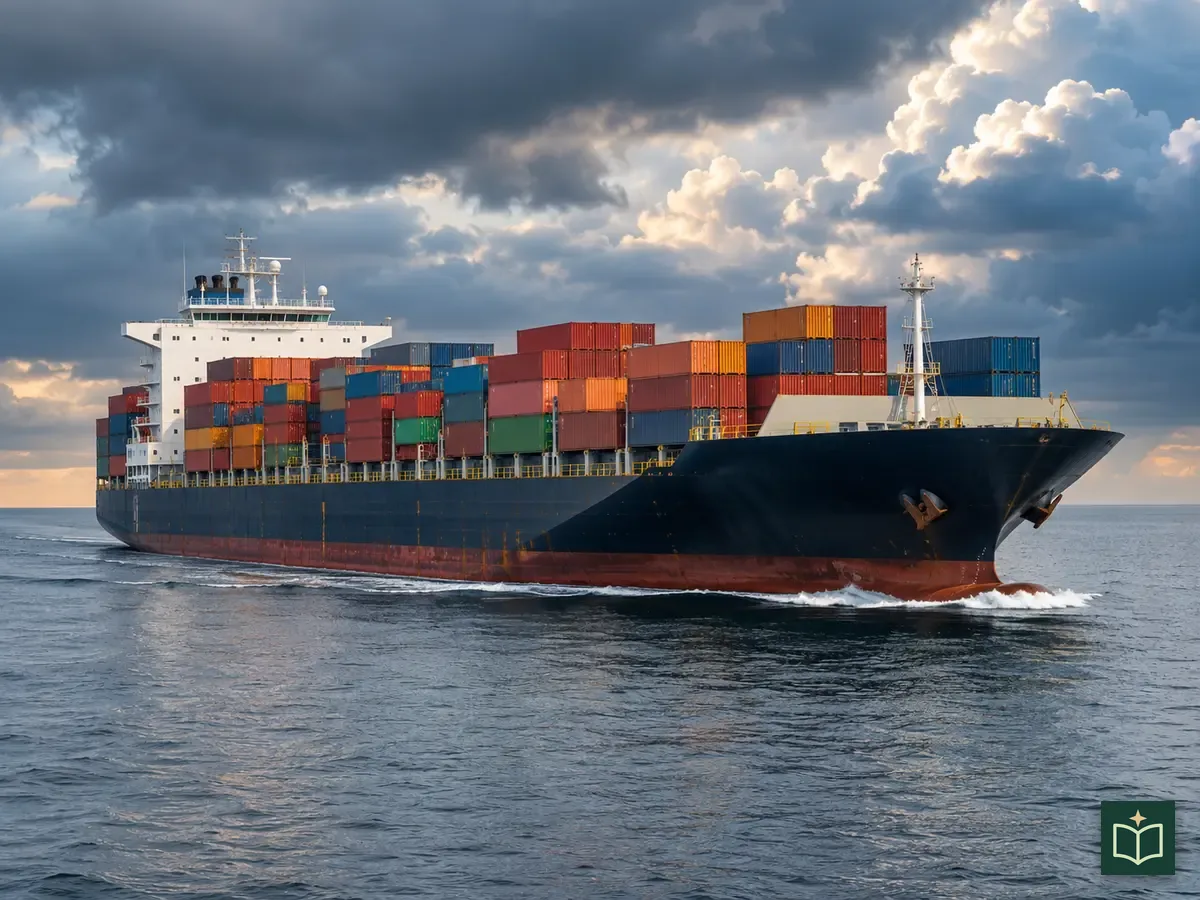
Shipping has always been risky, and merchants have shared that risk for thousands of years. Ancient Mediterranean traders practised sea loans, and medieval Italian merchants wrote some of the first insurance contracts. In the late seventeenth century, ship owners, merchants and underwriters met at Edward Lloyd’s coffee house in London to exchange shipping news and agree cover, the origin of today’s Lloyd’s market. Modern marine insurance remains a specialist field, because a single ship can be worth tens of millions of dollars and carry cargo worth far more. A serious accident can involve the vessel, thousands of cargo owners, coastal states, salvors and the environment simultaneously.
Hull, cargo and liability
Marine insurance is divided into layers. Hull and machinery insurance covers the ship itself against damage from storms, grounding, fire or collision, and is usually placed with commercial insurers. Cargo insurance is bought by the owners of the goods, often arranged by the exporter or importer according to the terms of sale. A trader in Jebel Ali shipping electronics to East Africa, for example, might insure the goods from warehouse to warehouse. The third layer, protection and indemnity, or P&I, covers the shipowner’s liabilities to others, including crew injuries, oil pollution, damage to docks, cargo claims and the cost of removing a wreck.
Clubs owned by their members
P&I insurance is unusual because it is mainly provided by mutual associations called clubs, owned by the shipowners they insure. Members pay contributions known as calls, and the club pays claims from the pool. Twelve major clubs form the International Group of P&I Clubs, which together cover roughly nine-tenths of the world’s ocean-going tonnage. They share large claims among themselves and buy collective reinsurance, allowing enormous pollution or wreck removal liabilities to be met. Many port states require proof of P&I cover before a ship may enter, and international conventions on oil pollution and wreck removal require certificates showing that adequate insurance is in place.
General average, a shared sacrifice
One of the oldest principles in maritime law is general average. If a ship faces a common danger and the master makes a deliberate sacrifice or incurs extraordinary expense to save the voyage, such as jettisoning cargo, paying salvors or refloating a grounded vessel, the cost is shared among all parties in proportion to the value of their property at risk. Ship and cargo owners must contribute, even if their own goods were untouched. The rules are set out in the York-Antwerp Rules, first agreed in the nineteenth century and revised several times since. When a large container ship declares general average, thousands of cargo owners may be asked for security before releasing their goods.
Misconceptions
Many importers assume that the shipping line is responsible for any loss or damage. In reality, carriers’ liability is limited by international conventions and contract terms, often to a modest amount per package or per kilogram, and some events, such as navigational errors or perils of the sea, may exclude it altogether. That is why separate cargo insurance matters. Another misunderstanding is that insurance always pays the market value of lost goods; payouts depend on the policy’s conditions, the agreed insured value and exclusions such as poor packing. This article explains concepts only; traders should take professional advice on cover for their own shipments.
Risk on changing seas
Marine insurance reacts quickly to the world. When conflict or piracy threatens a sea route, insurers may designate it a listed area and charge additional war risk premiums for each voyage, which raises shipping costs and can divert traffic. Larger ships concentrate more value in a single hull, increasing the scale of potential claims. Fires on container ships, often linked to misdeclared dangerous cargo, have become a significant concern. Climate change may alter storm patterns and port risks. For the Gulf, which depends heavily on seaborne trade through a few key routes, the cost and availability of marine insurance is a quiet but important influence on prices.
Sources & further reading
Figures are rounded and widely published; check the linked organisations for the latest editions. These organisations do not endorse this website.