Why restarting is hard
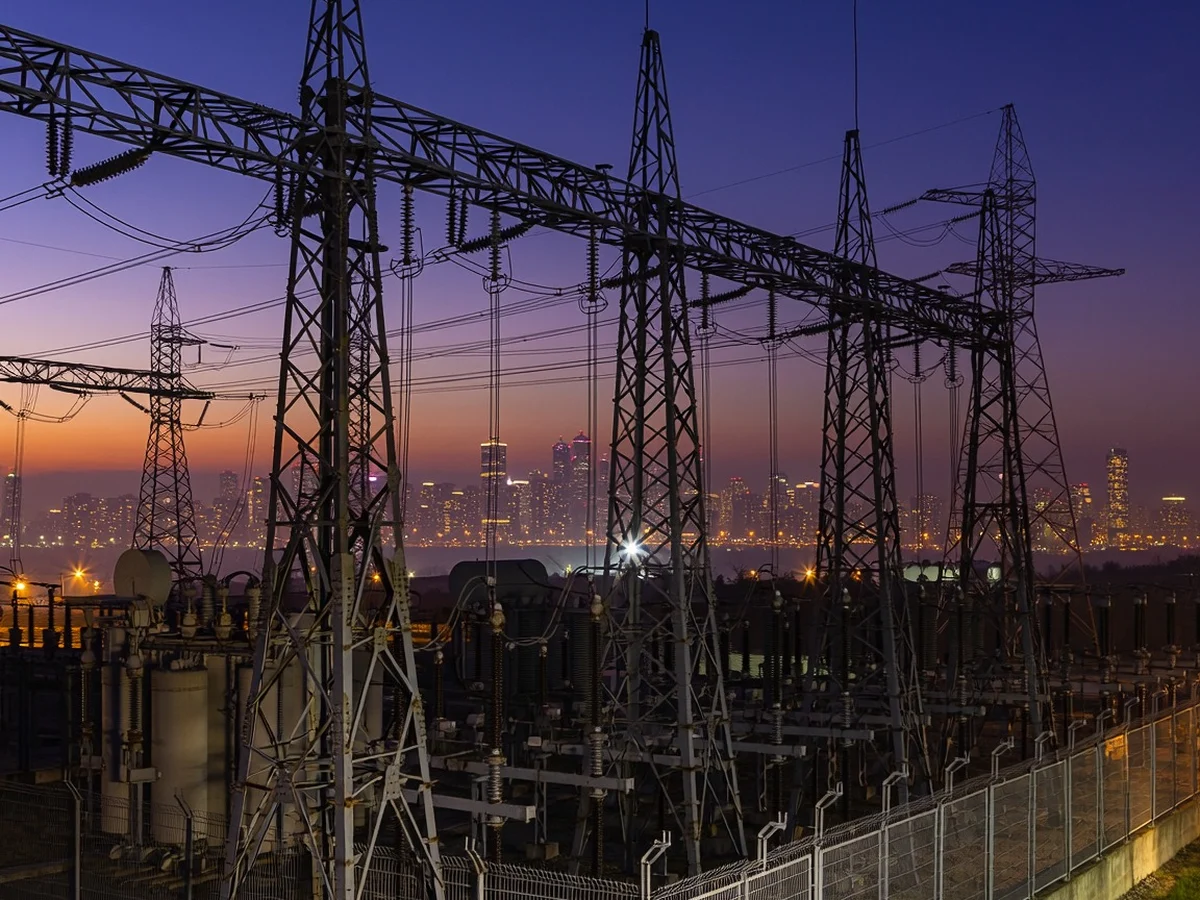
It sounds surprising, but most large power stations cannot start themselves. A coal, gas or nuclear plant needs electricity to run its pumps, fans, control systems and fuel supply before it can produce power of its own. Normally it takes that electricity from the grid. When the entire grid has shut down, there is nothing to draw on. That is why every major electricity system keeps a detailed plan, rehearsed in drills, for restarting from a complete blackout.
Black start power plants
The plan relies on a small number of black start units. These are generators that can start using only their own resources. Hydroelectric plants are ideal, because opening a valve lets water spin the turbine. Some gas turbine plants have small diesel generators on site to get going. Increasingly, large batteries are also being used, since they can deliver power within fractions of a second. Grid operators pay these plants to stay ready for an event that may never happen.
Building paths through the grid
Once a black start unit is running, operators use it to energise a planned route of transmission lines, sometimes called a cranking path, leading to a larger power station. Switching on long high-voltage lines is delicate, because an empty line behaves differently from a loaded one and voltage can swing. Engineers close switches one at a time, watching voltage and frequency closely. When power reaches the big station, it can start its own equipment and begin generating.
Islands of power
The grid is not restored all at once. Operators create several separate islands, each with its own generators and a growing amount of demand. Customers are reconnected in blocks, because switching on too many homes and factories at once could overload the generators and cause the island to collapse again. At every step, supply and demand must stay closely balanced, which is shown by the system's frequency staying near its normal value of 50 or 60 hertz.
Joining the pieces together
As each island becomes stable, engineers join neighbouring islands. Before connecting them, they must match frequency, voltage and timing almost exactly, a process called synchronisation. Connecting two islands that are out of step could damage equipment and trip both back offline. Step by step, the islands merge into one interconnected grid again. Throughout, priority customers such as hospitals, water systems and communications often receive power first.
Real examples
Large blackouts are rare, but they do happen. In August 2003, a blackout in the northeastern United States and Ontario in Canada left about 50 million people without power, and restoring supply took from hours to days. On 28 April 2025, much of Spain and Portugal lost power, and operators restored the system over the following day using black start plants and help from neighbouring grids. Each event leads to reviews that update restoration plans.
Keeping critical services running
During a blackout, many essential services rely on backup power. Hospitals, airports, data centres and telecom sites usually have diesel generators or batteries that start automatically within seconds. Water utilities may have backup pumps. These systems can keep the most important functions going for hours or days. Grid operators also coordinate with them during restoration, because suddenly reconnecting large loads can affect the stability of a recovering island.
Practising for the worst day
Because total blackouts are rare, operators rely on planning and practice. Restoration plans list black start plants, cranking paths, the order in which areas will be reconnected and how teams will communicate if normal systems fail. Control rooms run regular simulations, and black start plants are tested to make sure they really can start on their own. Lessons from events anywhere in the world are shared between operators to improve plans everywhere.
Batteries and new technology
Large battery systems are becoming important tools for restoration. They can respond in fractions of a second and help steady voltage and frequency while bigger plants start. Newer inverters, called grid-forming inverters, allow batteries, solar farms and wind farms to create a stable electrical signal of their own, instead of relying on one from the grid. Several operators are now testing these technologies as part of their black start plans.
Why it matters
Modern life depends on electricity, so the speed of restoration has a huge impact. As grids add more wind and solar power, operators are adapting their black start plans, because many renewable plants rely on the grid's existing signal to operate. New technologies such as grid-forming inverters and large batteries are being designed to help start the system as well. Rehearsing for the worst day is one of the quiet tasks that keeps the lights on.
Sources & further reading
- Wikipedia · Black start ↗
- Wikipedia · Northeast blackout of 2003 ↗
- ENTSO-E (European network of transmission system operators) ↗
General information; restoration methods vary between grid operators. Photograph: original AI-generated illustration (Adobe Firefly). Reference organisations do not endorse this website.