A number is an address
A phone number looks like a random string, but it is structured like a postal address. International numbers follow a standard from the International Telecommunication Union called E.164, which allows up to 15 digits. The first part is the country code: 971 for the UAE, 44 for the United Kingdom, 1 for North America. Next comes a national part identifying a region or an operator, such as 4 for Dubai landlines or a mobile prefix such as 50. The remaining digits identify a single subscriber. When you dial, the network reads the digits from left to right, and each block narrows down where the call should go.
Exchanges and switches
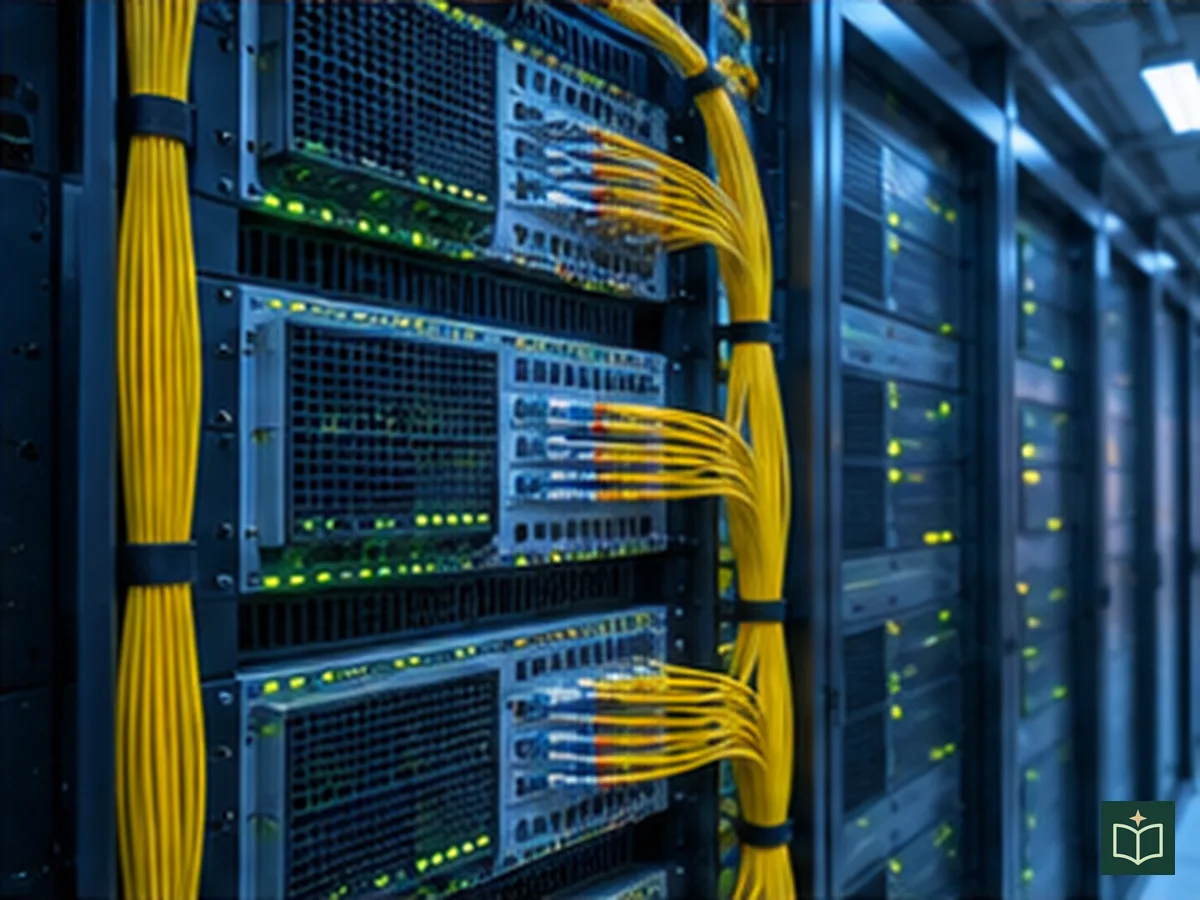
In the early days, human operators connected calls by plugging cords into switchboards. Automatic exchanges took over during the 20th century, first with electromechanical switches that stepped through each dialled digit, then with digital switches controlled by computers. Today, a call is set up by software. The caller's network checks the number, consults routing tables and decides which next network or switch should receive it. For a local call on the same network, that may be the end of the search. For a call to another operator or country, the network hands the call to a transit carrier or directly to the other operator through an interconnect, a physical and commercial link between the two networks.
Signalling: the call before the call
Since the 1980s, telephone networks have separated signalling from the voice itself. A dedicated system, known as Signalling System No. 7, sends short data messages between switches to set up and end calls. When you dial, these messages travel ahead, asking whether the number exists and whether the line is free, before any voice path is reserved. Mobile networks add a lookup: the subscriber's home network keeps a database of which area or country each phone is currently in, so a call to a roaming phone can be redirected abroad. Newer networks carry signalling and voice as internet-style data, using protocols such as SIP and voice over LTE.
Following one call
Imagine calling a Dubai landline from London. Your phone sends the digits 00 971 4 followed by seven digits. The 00 tells your UK network the call is international. The 971 sends it to a carrier with a route to the UAE, which hands it to an international gateway in the UAE. The 4 identifies a Dubai fixed-line number, so the gateway passes the call to the operator serving that range. If the number has been moved between operators, a portability database redirects it. The local switch rings the line. When someone answers, a signal travels back, billing starts and the voice path opens, all within a few seconds.
Who gets paid
Calls that cross networks involve money. The receiving operator charges the sending operator a termination rate for completing the call on its network. International calls may pass through several carriers, each taking a share. Regulators oversee these charges because they affect retail prices. Historically, international calling was expensive partly because of these settlements and limited cable capacity. The rise of internet calling apps changed the picture. Calls made over apps travel as ordinary data and often bypass the traditional telephone network entirely, which is one reason some countries, including the UAE, have regulated which voice-over-internet services may be offered by licensed operators and which apps are allowed.
Limits and misconceptions
Many people assume a phone number reveals exactly where a caller is. It does not. Mobile numbers stay with the subscriber when they travel, and ported numbers no longer match their original operator. Caller ID, the number shown on your screen, is passed along by networks and can be falsified by fraudsters using internet-based systems, which is why regulators are adding verification. Another myth is that a call travels along a single wire. In reality, it is digitised, split into packets or time slots and carried over fibre, microwave links and undersea cables. The path can differ from one call to the next, chosen by cost and capacity.
Sources & further reading
Figures are rounded and widely published; check the linked organisations for the latest editions. These organisations do not endorse this website.