The heart's electrical system
Each heartbeat starts with an electrical signal from a natural pacemaker called the sinus node. The signal spreads through the heart and makes the chambers contract in order. If the sinus node slows down, or the signal is blocked on its way, the heart can beat too slowly, causing tiredness, dizziness or fainting.
The device
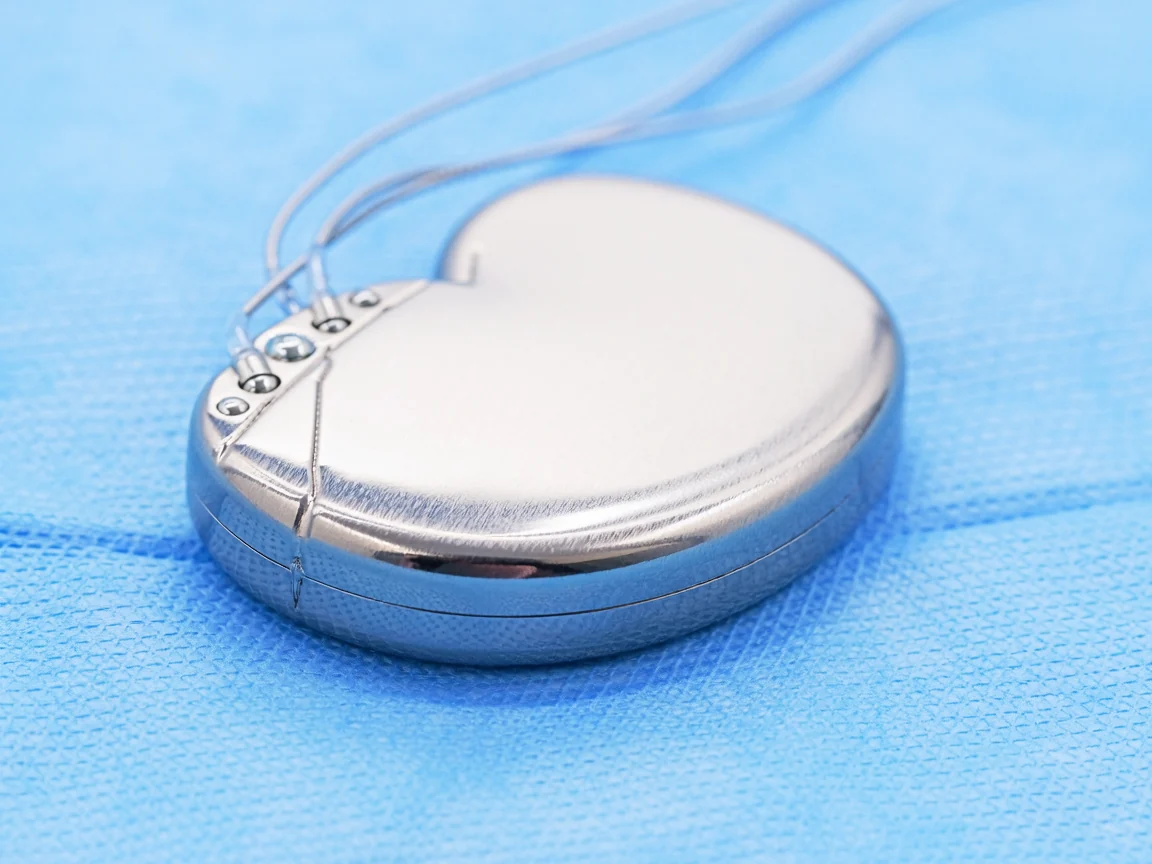
A pacemaker has two parts: a sealed titanium case containing a battery and circuitry, and one or more insulated leads threaded through a vein into the heart. Leadless pacemakers, small capsules placed directly inside the heart, are now also used for some patients.
Pacing on demand
The device constantly monitors the heart. When it detects a missed or very slow beat, it sends a pulse of a few volts lasting a fraction of a millisecond. Rate-responsive models use motion sensors to speed up during exercise, imitating a healthy heart.
Living with a pacemaker
Implantation usually takes about an hour under local anaesthetic. Patients have regular checks, often remotely, and receive guidance about strong magnets and some medical equipment. Defibrillators, a related device, can also deliver a larger shock to stop dangerous fast rhythms.
Sources & further reading
General information, not medical advice. Battery life and settings vary by device and patient. Photograph: original AI-generated illustration (Adobe Firefly). Reference organisations do not endorse this website.