Why so much comes back
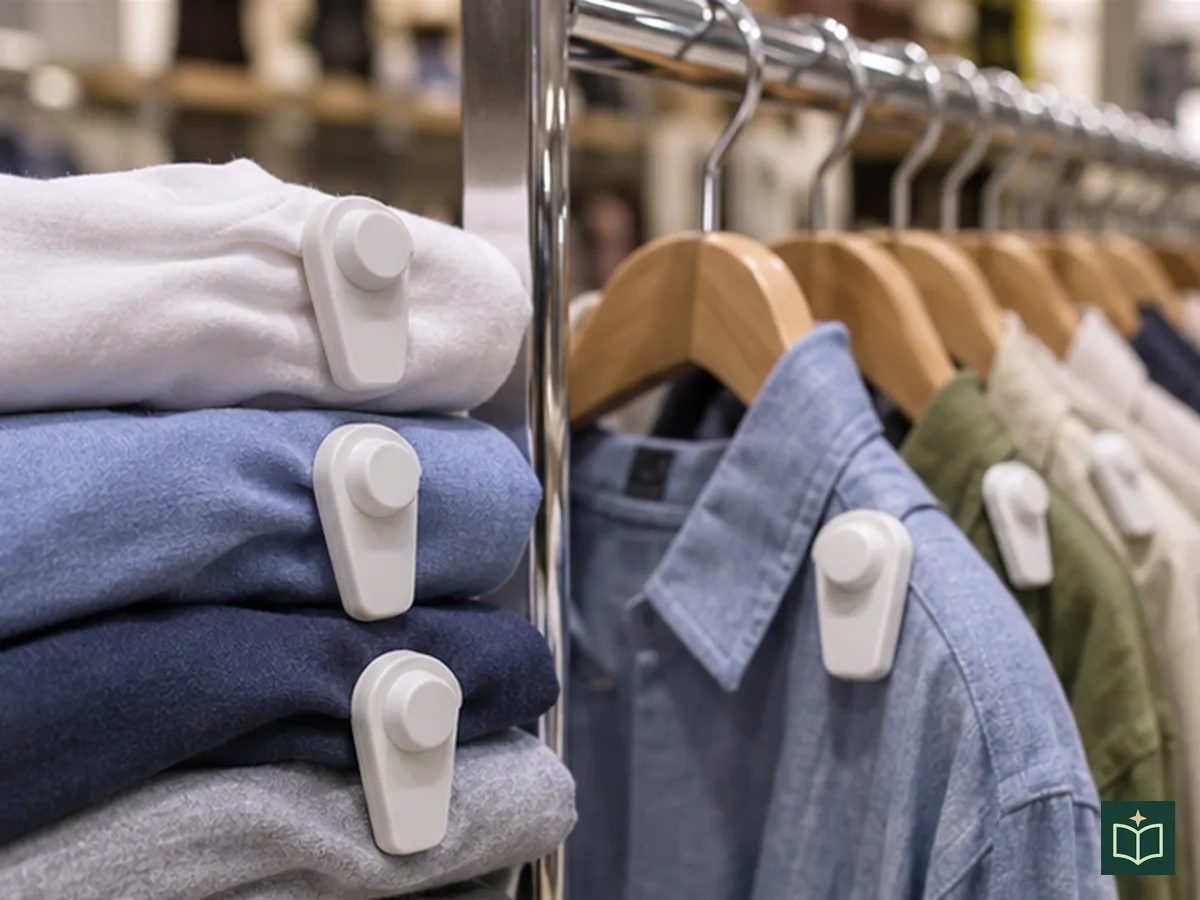
Shopping online means buying without touching, trying on or seeing the real colour of a product. Many customers order several sizes of the same item and keep only one, a habit known as bracketing. Others return items that arrived damaged, did not match the description or were simply changed minds. Generous return policies, often free and lasting weeks, encourage shoppers to buy with confidence, which helps sales but increases returns. Clothing and footwear have the highest return rates, while groceries and digital goods have very few. Industry estimates commonly suggest that online purchases are returned two to three times as often as items bought in a shop.
Inspection and grading
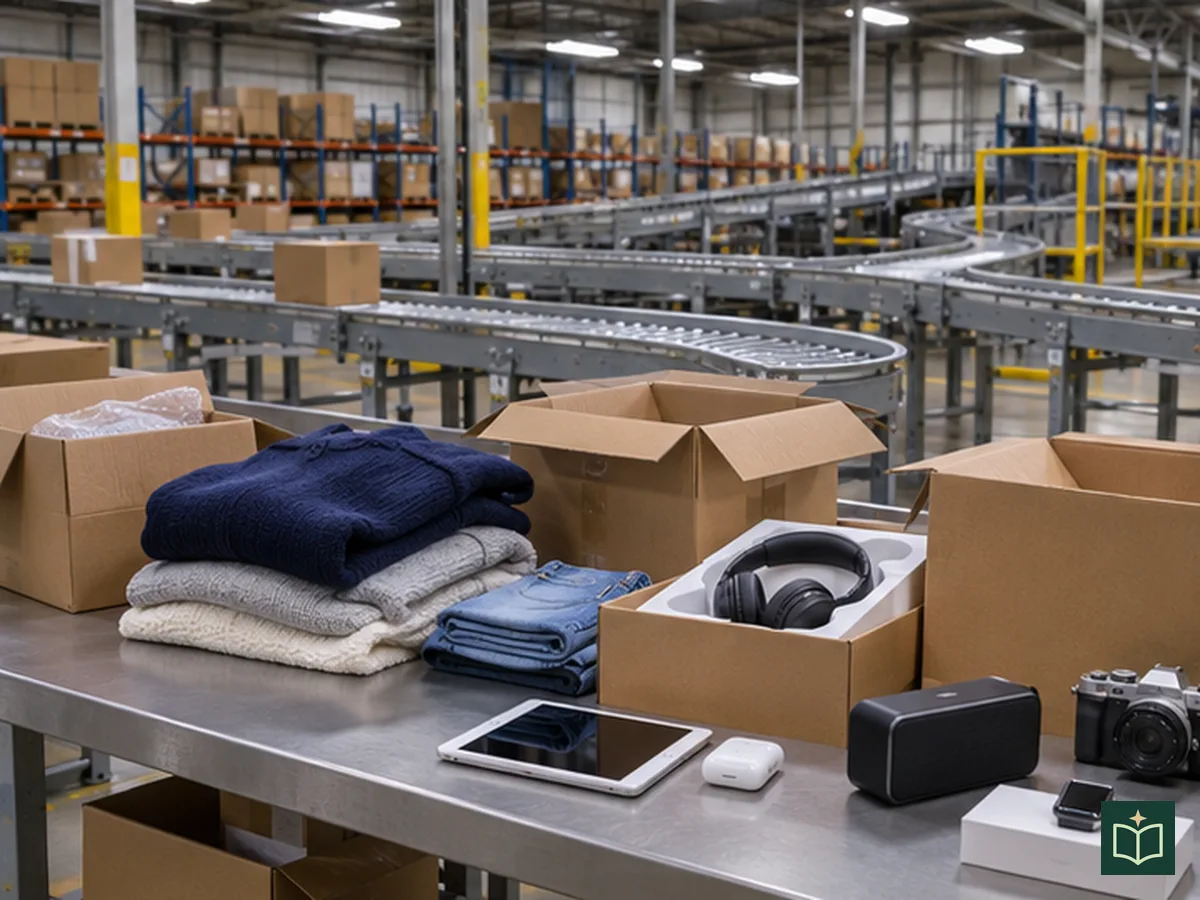
At the returns centre, staff inspect each item and assign a grade. Unused goods in perfect condition can be repackaged and restocked as new. Items that have been opened or lightly used may be sold as open-box or refurbished, often after cleaning, testing or repair. Electronics usually need data wiping and functional checks. Some products, such as cosmetics, underwear or food, cannot be resold for hygiene reasons. The decision is economic as much as practical: if inspection, repackaging and storage cost more than the item is worth, it may not be worth restocking. For cheap items, some retailers simply refund the customer and tell them to keep the product.
Where returns end up
Items that cannot go back on sale take other routes. Retailers sell pallets of mixed returns to liquidation companies, which resell them through discount shops, outlet stores or online marketplaces, sometimes abroad. Others go to outlet channels run by the brand itself. Usable goods may be donated to charities. Damaged products can be stripped for parts or sent for recycling. A share ends up in landfill or incineration, which has drawn criticism; some governments, including France, have introduced rules restricting the destruction of unsold non-food goods. Each step down this ladder recovers less of the original price, which is why speed matters: fashion and electronics lose value quickly.
Counting the cost
Consider a dress sold online for AED 300. The retailer pays to deliver it, then pays again to collect it if the return is free. At the returns centre, someone spends time opening, inspecting, steaming and repackaging it. If it is resold at full price, the retailer has lost the shipping and handling but recovered the item. If it is marked down or sold to a liquidator, the loss grows. Across millions of parcels, these costs add up to a substantial share of online revenue. That is why some retailers now charge for returns, shorten return windows or offer better size guides, virtual try-on tools and customer reviews.
Misconceptions and fraud
A common belief is that returned items are simply put back on the shelf. In reality, only a portion is resold as new, and the rest is sold for less or discarded. Another misconception is that free returns cost the environment nothing: each return adds transport journeys and packaging, and repeated trips for bracketed orders multiply that effect. Returns also attract fraud. Some people send back used items as new, swap a cheap product into the box of an expensive one, or claim a parcel never arrived. Retailers use data on return patterns to spot unusual behaviour, and some limit returns for accounts that send back an exceptionally high share of orders.
Why it matters
Returns have become one of the hidden costs of online shopping, shaping prices, policies and warehouse design. Retailers are investing in automated returns processing, using cameras and software to grade items quickly and decide where each should go. Others are trying to prevent returns in the first place with better product information and fit recommendations. For shoppers, the practical lesson is that returning items is not cost-free, even when no fee is charged, and that the policy, time limit and condition rules matter before buying. As e-commerce grows in the Gulf and worldwide, how efficiently returns are handled will affect both retailers' profits and the waste that online shopping leaves behind.
Sources & further reading
Figures are rounded and widely published; check the linked organisations for the latest editions. These organisations do not endorse this website.