Before the wells
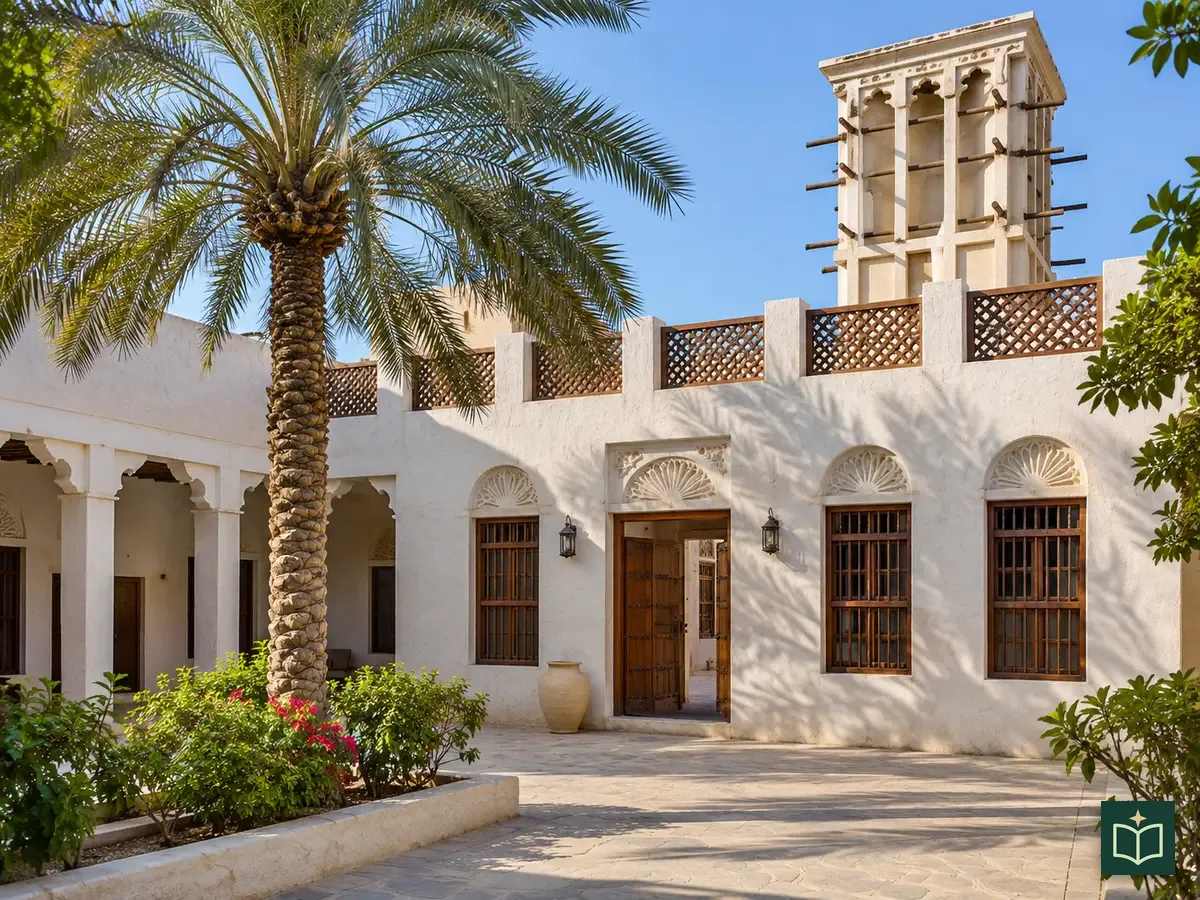
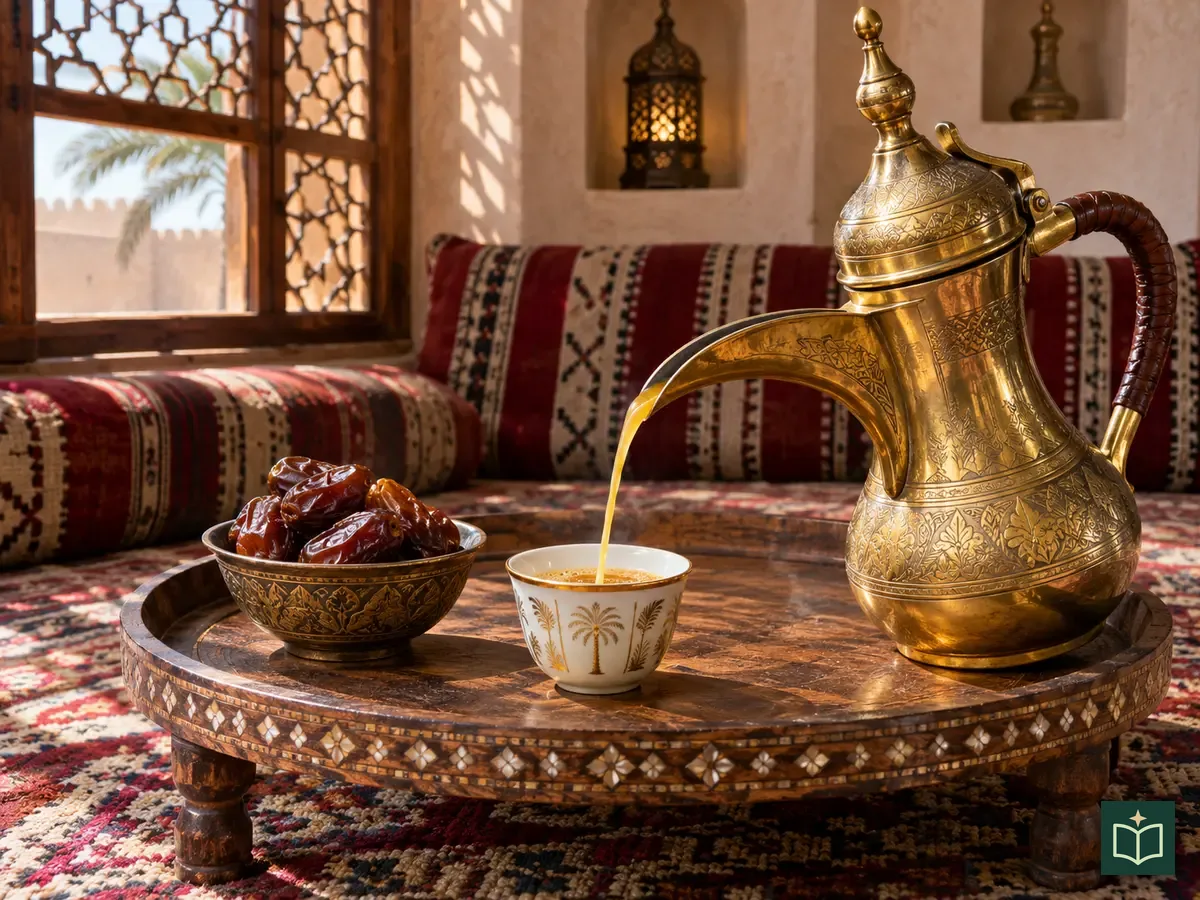
In the early twentieth century, the Arab side of the Gulf relied on pearling, fishing, date farming and trade. Oil had already been found across the water in Persia in 1908, at Masjed Soleyman, but the Arabian coast was largely unexplored. The collapse of the natural pearl trade in the late 1920s and 1930s left many communities in hardship and made rulers more open to offers from foreign oil companies. These arrangements, called concessions, gave a company the exclusive right to search for and produce oil in a defined area for many decades, in return for payments to the ruler.
Bahrain goes first
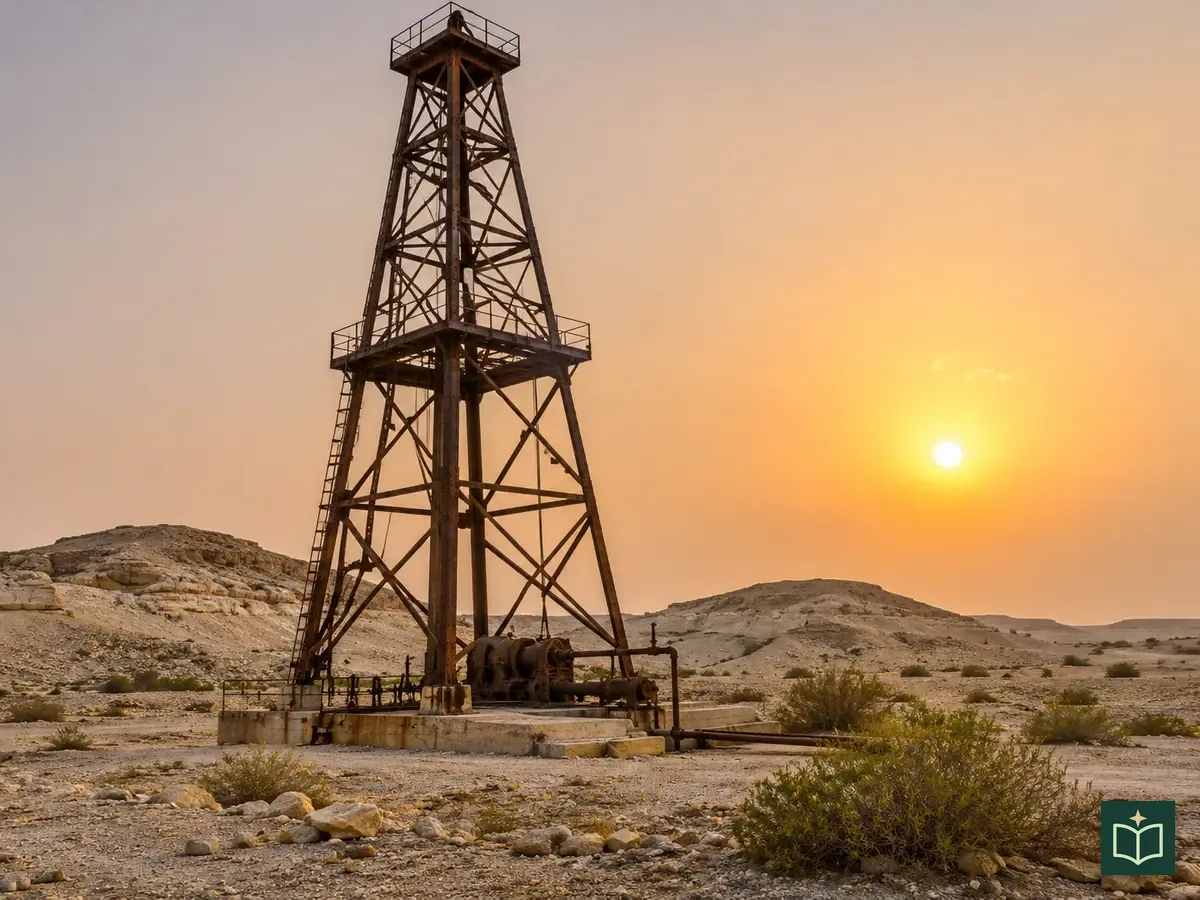
The first breakthrough came in Bahrain. Geologists noticed a dome-shaped rise around Jebel Dukhan, the island’s highest point, a type of structure that can trap oil beneath impermeable rock. Drilling by the Bahrain Petroleum Company struck oil in 1932. The volumes were modest by later Gulf standards, but the find mattered greatly because it proved that the Arabian side of the Gulf shared the oil-rich geology of Persia and Iraq. Companies quickly sought concessions on the mainland. Bahrain also became an early regional centre for refining, building a refinery that began operating in the 1930s. The island had shown the way for its neighbours.
The great fields
On the mainland, results took longer. In Saudi Arabia, the well known as Dammam No. 7 reached commercial quantities in 1938 after several disappointing attempts, and later surveys revealed enormous fields such as Ghawar. Also in 1938, Kuwait discovered oil at Burgan, which proved to be one of the largest fields in the world. Qatar found oil at Dukhan in 1939, but the Second World War delayed development, and its first exports came in 1949. The war interrupted exploration across the region, so the full scale of Gulf oil wealth only became clear in the late 1940s and 1950s. The region’s reserves turned out to be vast.
The emirates join in
In what would become the UAE, the first commercial discovery came offshore Abu Dhabi, at the Umm Shaif field, in 1958, followed by the onshore Bab field in 1960. Abu Dhabi exported its first cargo of crude in 1962 from Das Island, and onshore exports followed in 1963. Dubai discovered the offshore Fateh field in 1966 and began exporting in 1969. These revenues arrived only a few years before the federation was formed in 1971, and they financed roads, schools, hospitals, housing and ports at remarkable speed in societies that had very little modern infrastructure. Few places have changed so much in so short a time.
From concessions to national control
Early concession terms gave companies most of the control and a large share of the profits. Over the following decades, producing countries renegotiated. Profit-sharing arrangements spread in the 1950s, and in the 1970s many governments took majority or full ownership of their oil industries, often through national oil companies. The formation of OPEC in 1960, with founding members including Saudi Arabia and Kuwait, gave exporters a forum to coordinate. This shift transformed who captured oil revenue. It also tied government budgets closely to oil prices, a dependence that shaped later efforts to diversify economies. Ownership, not just discovery, determined who benefited.
Why it still matters
The discoveries of the 1930s to the 1960s explain much about the modern Gulf: rapid urbanisation, large public sectors, sovereign wealth funds and the arrival of millions of foreign workers. They also explain why diversification has become such a central policy goal across the region, from tourism and logistics to finance and renewable energy. Like pearling before it, oil brought prosperity tied to a single commodity. A useful way to read the history is as a sequence: concession, discovery, export, renegotiation and investment. Each stage took years, and each reshaped the relationship between governments, companies and citizens. The story is still being written.
Sources & further reading
Figures are rounded and widely published; check the linked organisations for the latest editions. These organisations do not endorse this website.