What a castle was
A castle was a fortified residence of a lord or king, combining a home, an administrative centre and a military base. That makes it different from a town wall, which protected a whole community, or a purely military fort. Castles spread across Europe from the tenth century as local lords sought to control land and people. In England they arrived in large numbers with the Normans after 1066, when a small conquering elite needed to hold a large, hostile population. A castle allowed a garrison to control the surrounding countryside, collect dues and hold out against attack until help arrived.
Motte and bailey
The first Norman castles were mostly built of earth and timber. A motte was a steep mound of earth, sometimes ten metres or more high, topped by a wooden tower and palisade. Next to it lay a bailey, a larger enclosure surrounded by a ditch and fence, holding halls, stables, workshops and stores. This design was quick and cheap: with forced local labour, a motte could be raised in a matter of weeks. Hundreds were built across England and Wales in the decades after the Conquest. Their weakness was timber, which could rot or be set alight, so many were later rebuilt in stone on the same sites.
Stone keeps
From the late eleventh century, powerful lords began to build great stone towers called keeps. The White Tower in London, begun in the 1070s, is an early example. Thick walls resisted fire and battering rams, and entrances were raised to the first floor and reached by stairs that could be defended. Square keeps had a weakness, though. Their corners could be attacked by miners, who dug tunnels beneath, propped them with timber and then burned the props to bring the wall down. During the twelfth century builders increasingly turned to round or many-sided towers, which had no corners to undermine and deflected missiles better.
Walls within walls
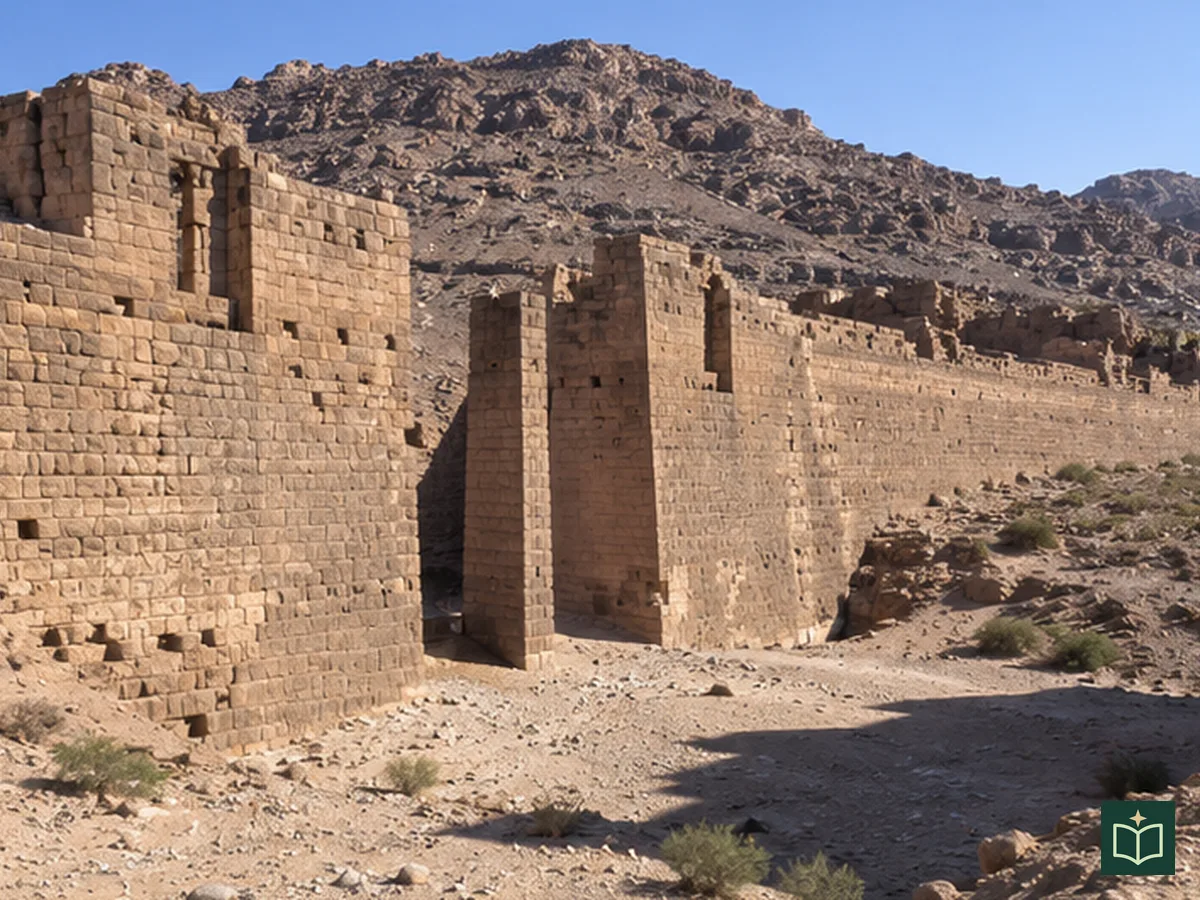
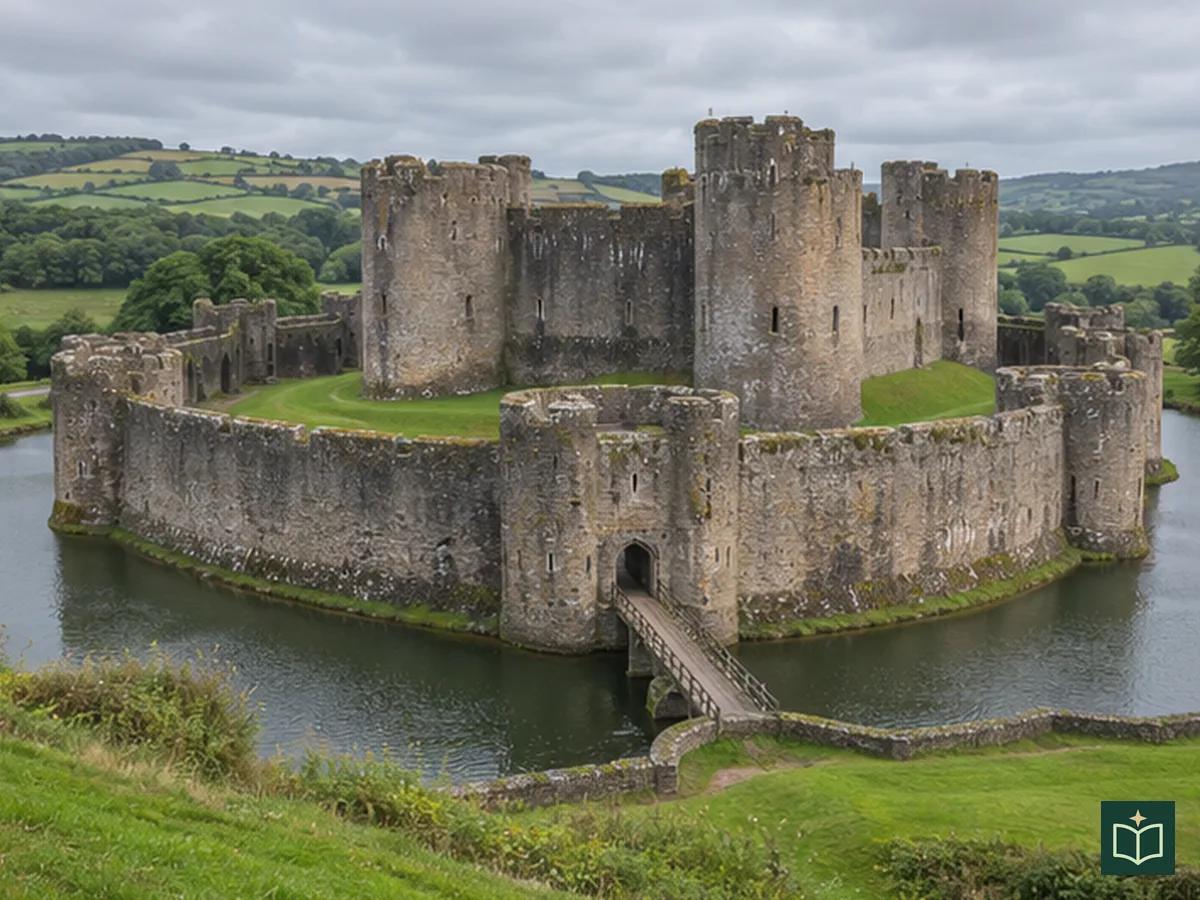
Defence shifted from the single strong tower to the circuit of walls. Curtain walls linked projecting towers, so archers could shoot along the face of the wall at attackers. Gatehouses became fortresses in their own right, with drawbridges, portcullises and openings in the ceiling for dropping missiles. The most advanced design was the concentric castle, with an inner ring of high walls surrounded by a lower outer ring, so defenders on both could fight at once. Crusader castles such as Krak des Chevaliers in Syria and Edward I's castles in Wales, including Beaumaris and Harlech, show the idea at its peak.
Sieges in practice
Attackers had several options. They could storm walls with ladders and siege towers, batter gates, undermine foundations or hurl stones with catapults. The counterweight trebuchet, spreading in Europe from the late twelfth century, could throw heavy stones accurately enough to break walls. Yet the commonest outcome of a siege was hunger or negotiation rather than a dramatic breach. Defenders with good wells and full stores could hold out for months, as the long siege of Kenilworth in 1266 showed. That is why castles were stocked with grain, built around wells and placed on rocks, hills, rivers or the sea, where attackers found it hardest to approach.
Cannon change the rules
Gunpowder artillery ended the dominance of the high stone wall. By the fifteenth century cannon could smash tall, thin masonry quickly. In 1449 and 1450, French royal artillery helped capture English-held castles and towns in Normandy in rapid succession. Military engineers responded with a new design: low, thick, earth-backed walls with angled bastions that could mount guns and leave no blind spots, later called the star fort. Castles did not disappear overnight, and many remained homes and centres of power. But from the sixteenth century, nobles increasingly built comfortable country houses, while defence passed to professional fortresses run by the state.
Sources & further reading
Figures are rounded and widely published; check the linked organisations for the latest editions. These organisations do not endorse this website.