What certification adds
Halal means permissible under Islamic law. For food, that rules out pork and alcohol, requires animals to be slaughtered in a prescribed way and forbids contamination with prohibited substances. A shopper cannot see any of this in a packet of sausages or a jar of sweets. Certification fills the gap. An independent body examines how a product is made and, if it meets a recognised standard, allows the producer to use its halal mark. In Muslim-majority countries such as the UAE, regulators also require proof of halal status for imported meat and many processed foods. The certificate turns a religious requirement into something that can be audited and traded.
Checking the ingredients
Much of the work happens on paper before any inspector visits a factory. Processed foods may contain dozens of ingredients, and some are not obvious. Gelatine, emulsifiers, flavourings, enzymes and colourings can come from animal sources, and some flavourings use alcohol as a carrier. Auditors ask for specifications and supplier certificates for each ingredient, tracing them back to their origin. If a supplier changes, the producer must declare it. Cleaning chemicals and lubricants that might touch food are reviewed too. Laboratories can support the paperwork: DNA tests can detect traces of pork, and other tests check for alcohol, giving certifiers a way to verify what suppliers have claimed.
From slaughter to packaging
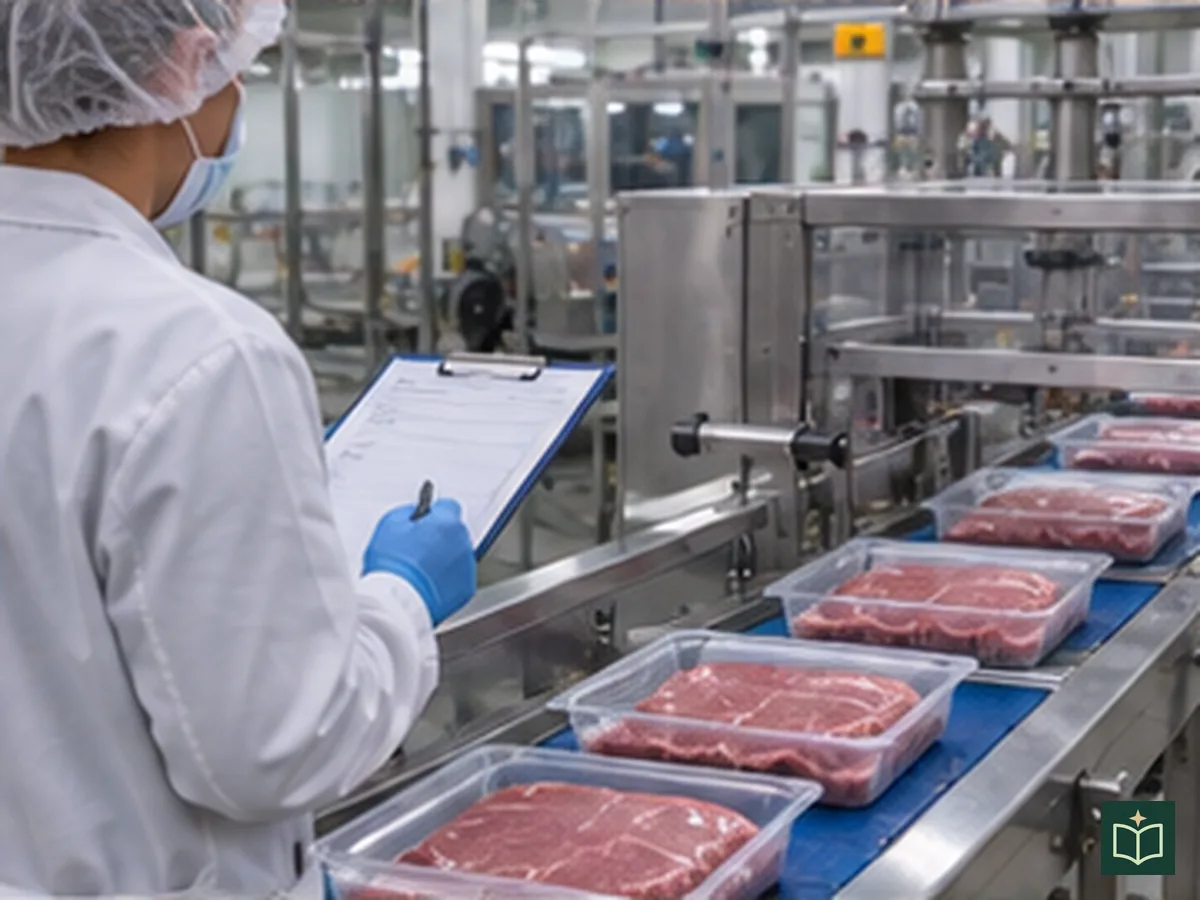
For meat, auditors focus on the abattoir. Standards require the animal to be alive and healthy at slaughter, and the cut to be made by a Muslim slaughterer who invokes the name of God, severing the windpipe, gullet and main blood vessels of the neck so the blood drains. Rules on pre-slaughter stunning vary between standards, and certifiers specify which methods they accept. After slaughter, the carcass must be kept separate from non-halal meat through cutting, chilling, storage and transport. In factories, inspectors check dedicated lines or validated cleaning between products, sealed packaging and correct labels. A single shared knife or storage room can undermine an otherwise compliant process.
A certificate with an expiry date
Certification is not a one-off stamp. After a successful audit, a producer typically receives a certificate valid for about a year, listing the specific products and sites it covers. Certifiers run surveillance visits, sometimes unannounced, and may take samples for testing. For meat exports, each consignment usually needs its own halal certificate matching the health certificate, so importing authorities can link a shipment to a particular approved plant. If an audit finds a breach, the certifier can suspend or withdraw approval. Producers pay fees for audits and certification, which is one reason small exporters sometimes struggle to reach halal markets abroad without help from trade bodies.
Who certifies the certifiers
Hundreds of halal certification bodies operate worldwide, and they do not all apply identical standards. Importing countries therefore decide which ones to trust. In the UAE, halal conformity is overseen at federal level, now by the Ministry of Industry and Advanced Technology, under the national standard UAE.S 2055-1. Foreign certification bodies must be registered or accredited before their certificates are accepted for products entering the country, and Gulf states coordinate through shared GCC standards. Accreditation assesses the certifier itself: its competence, impartiality, auditors' training and procedures. Other countries, such as Malaysia and Indonesia, run their own recognition schemes, so a body approved in one market may not be accepted in another.
Why it matters
Halal food is a large and growing global market, serving Muslim consumers worldwide and many others who choose it. For exporters in Brazil, Australia, India or Europe, recognised certification is the passport to Gulf and Southeast Asian supermarkets. For importers, it reduces the risk of costly recalls and loss of consumer trust. Regulators are moving towards digital certificates that can be checked online, which helps fight forged paperwork. Efforts by bodies such as the Standards and Metrology Institute for the Islamic Countries aim to align standards. For shoppers, the practical lesson is that the logo is the visible end of a long chain of documents, inspections and tests.
Sources & further reading
- UAE Ministry of Industry and Advanced Technology ↗
- Standards and Metrology Institute for the Islamic Countries ↗
Figures are rounded and widely published; check the linked organisations for the latest editions. These organisations do not endorse this website.