The fire triangle
A fire burns only while it has heat, fuel and oxygen, sustained by a chemical chain reaction. Take away any one and it goes out. Each extinguisher type is designed to attack a particular side of this triangle.
Matching agent to fire
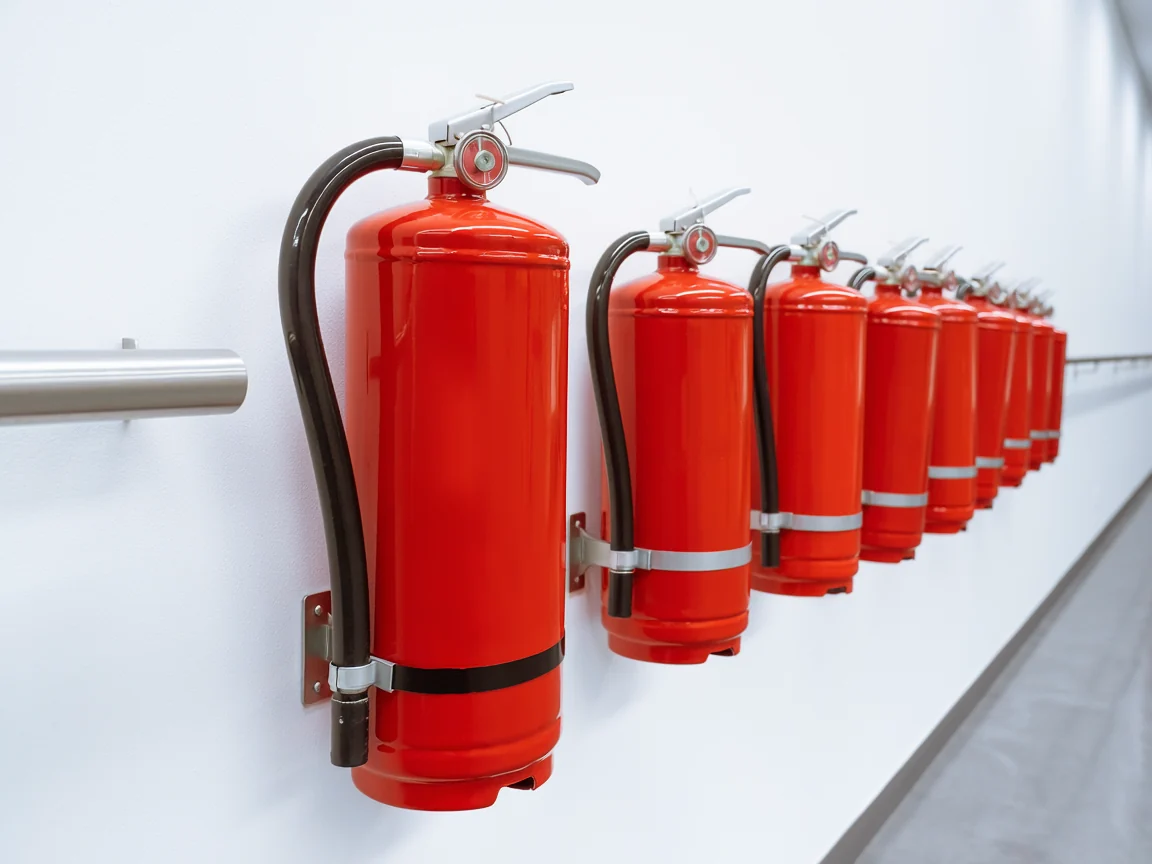
Water cools burning solids such as wood and paper. Foam forms a blanket over burning liquids. Carbon dioxide displaces oxygen and leaves no residue, making it ideal for electrical fires. Dry powder interrupts the chemistry of many fire types, and wet chemical agents react with hot cooking oil to form a soapy crust.
Under pressure
Most extinguishers store their contents under pressure from nitrogen or the agent itself. Squeezing the handle opens a valve, and the pressure forces the agent through a hose or horn. The gauge on stored-pressure models shows whether it is still charged.
Using one safely
Remember PASS: pull the pin, aim low at the base of the fire, squeeze the handle and sweep side to side. Keep an exit behind you, and leave immediately if the fire grows or smoke fills the room.
Sources & further reading
Fire classes and colour codes vary by country. Photograph: original AI-generated illustration (Adobe Firefly). Reference organisations do not endorse this website.