A network, not a journey
When you order something online, the parcel does not travel directly from seller to buyer. It joins a network designed to move enormous volumes cheaply. Couriers and postal operators use a hub-and-spoke model: small collections flow inward to a large central hub, are sorted, and flow outward again towards their destinations. Pooling makes every lorry, aircraft and van fuller, which lowers the cost of each item. The trade-off is distance. A parcel sent between two neighbouring towns may travel a long way to a hub and back again, because that route is still cheaper and more reliable than sending a half-empty van directly.
Inside a sorting hub
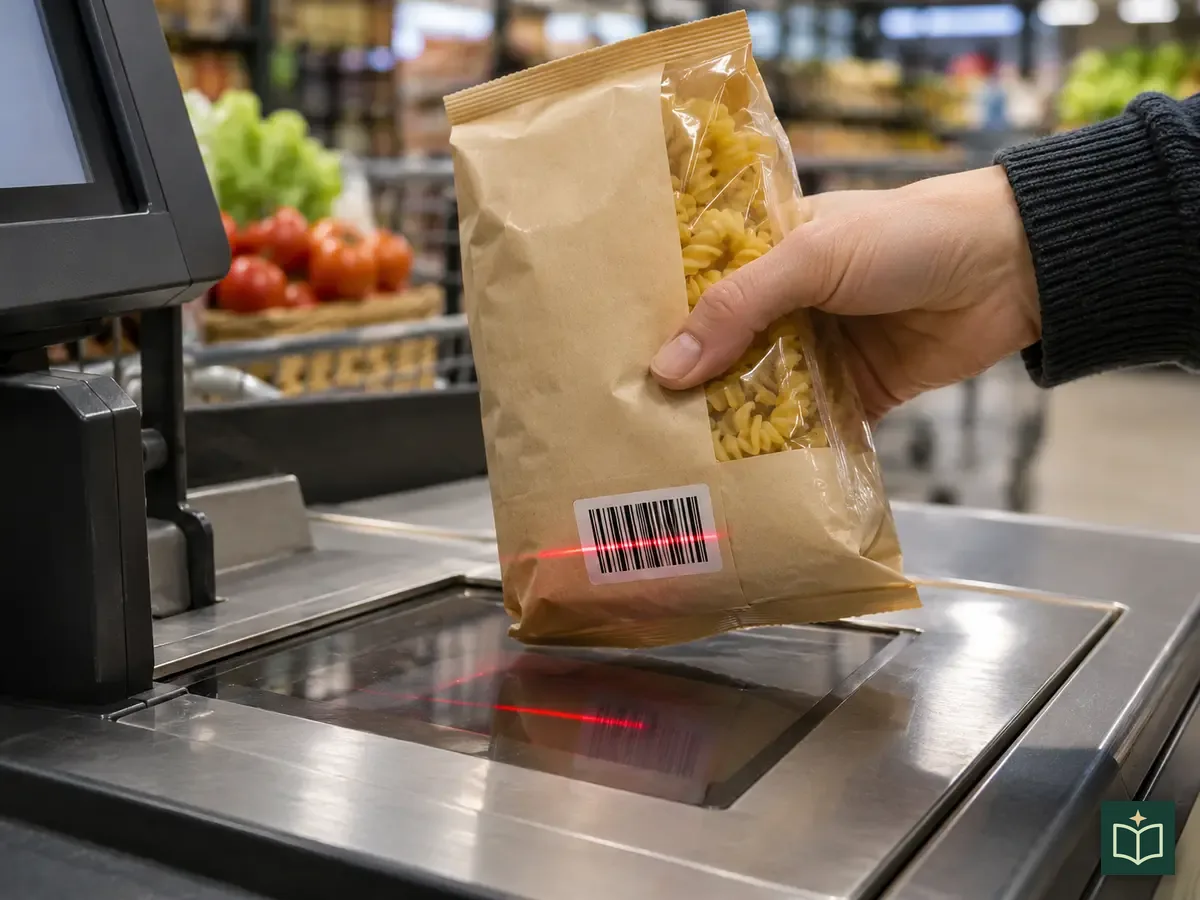
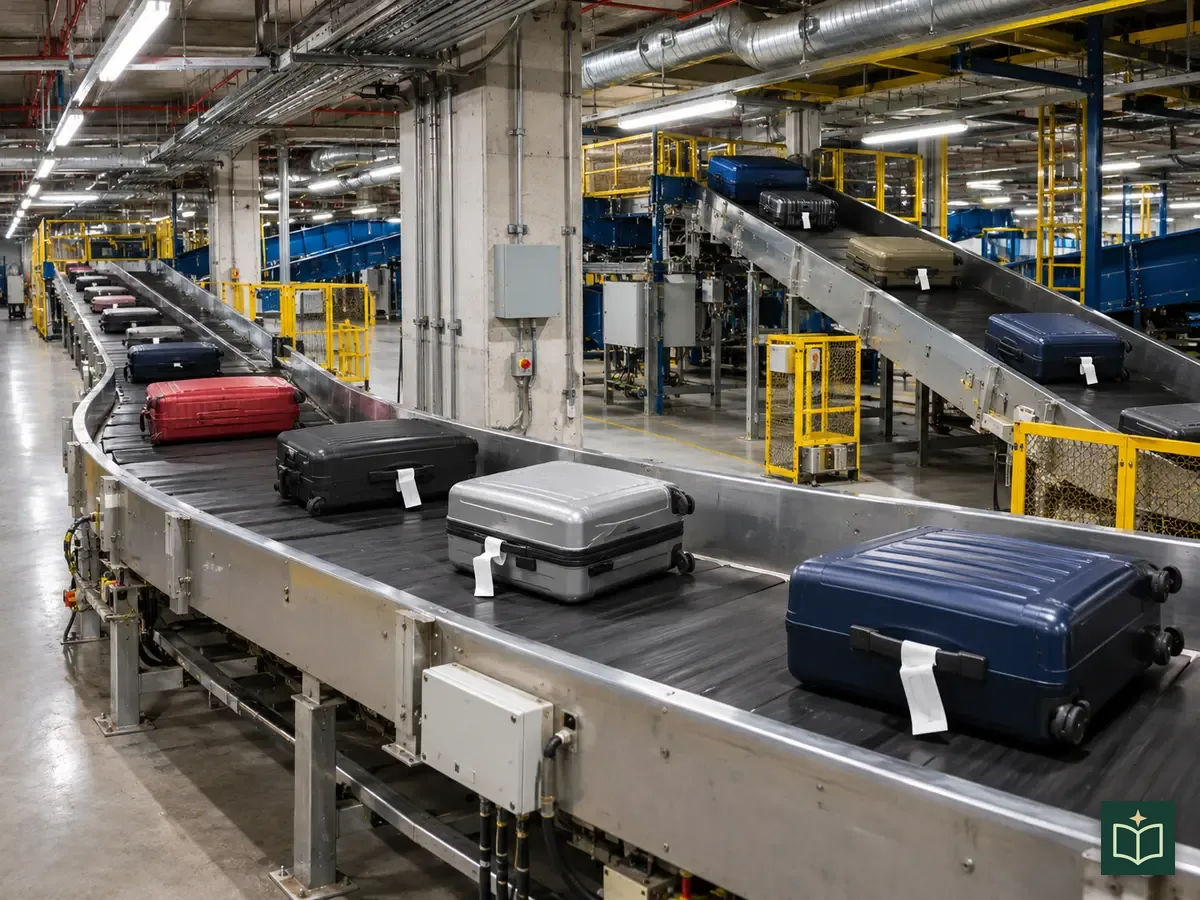
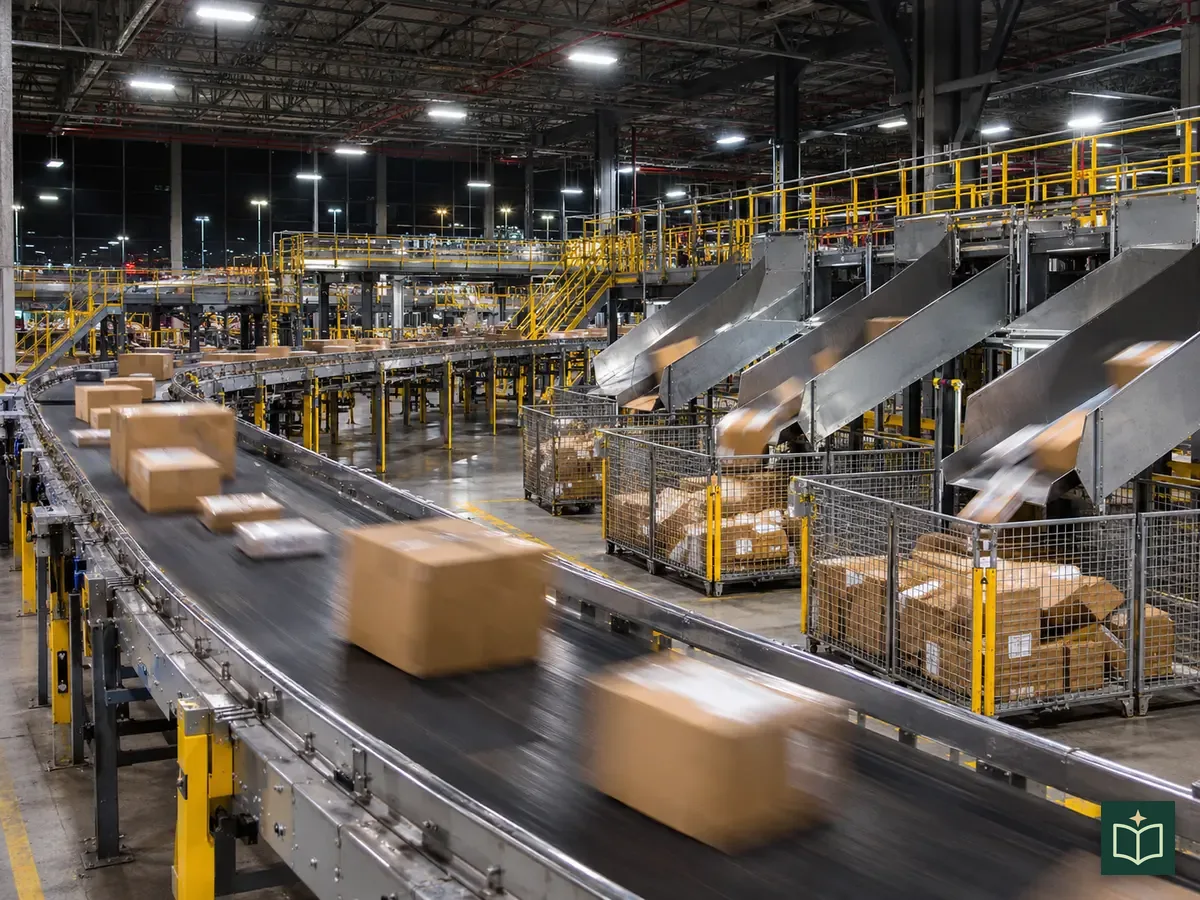
A modern parcel hub is a maze of conveyor belts, often running for kilometres. Parcels are unloaded from lorries and placed on belts, where tunnels of cameras read the barcode on the label from several sides at once. The system looks up the destination and, at the right moment, a tilting tray, a pusher arm or a small cross belt diverts the parcel into a chute. Each chute fills a cage or container bound for one onward route. Large hubs can process tens of thousands of parcels an hour, and most of the sorting happens overnight so that vans can leave depots early in the morning.
Every scan is a promise
The tracking updates you see are scans recorded at handovers: collected, arrived at hub, departed, out for delivery, delivered. Each scan proves who held the parcel at a given moment, which matters when something goes missing or a claim is made. Behind the scenes the same data helps operators predict volumes, staff their hubs and spot delays. Across borders, parcels also carry electronic customs data sent ahead of the physical item. International exchange between national postal services follows rules set by the Universal Postal Union, a United Nations agency, which also governs how operators pay one another for handling each other’s mail.
The costly final kilometres
Delivery to the door, known as the last mile, is usually the most expensive single stage. A long-haul lorry carries thousands of parcels together, but a delivery van stops repeatedly for one or two items, and a failed attempt means a second trip. Route-planning software orders the stops, but traffic, parking and absent recipients still eat into the day. In cities such as Dubai, operators add lockers, pick-up points and delivery time slots to reduce wasted journeys. For high-value items, signature or one-time code checks add security but also time. Much of the innovation in parcel delivery, from cargo bikes to drones, targets this final leg.
What goes wrong
Most parcel problems are not lost items but small errors that compound. A damaged or poorly printed label can defeat the cameras, sending a parcel to a manual handling area. An incomplete address forces a driver to call or guess. Peak seasons, such as large online sales events and the weeks before major holidays, push volumes far above normal capacity, so operators hire temporary staff and run extra shifts. Customs holds can delay international shipments when paperwork does not match the contents. A parcel that seems stuck in tracking has often simply not been scanned at a handover, rather than having gone missing.
Why it matters
Parcel networks have become part of everyday infrastructure, carrying medicines, spare parts and documents as well as shopping. Their efficiency depends on scale, which is why a handful of large operators carry most volume in many countries. The environmental cost is real, from van emissions in congested streets to packaging waste, and regulators increasingly watch both. For shoppers, understanding the system helps: clear addresses, chosen pick-up points and accurate customs descriptions all reduce delays. The next time a tracking page says your parcel is in a distant city, remember that the detour is often how the network keeps costs low for everyone.
Sources & further reading
Figures are rounded and widely published; check the linked organisations for the latest editions. These organisations do not endorse this website.