The trust problem
International trade involves a basic dilemma. A seller in one country does not want to ship goods until it is sure of being paid, while a buyer in another country does not want to pay until it is sure the goods have been shipped as agreed. The two may never have met, operate under different laws and be thousands of kilometres apart. A letter of credit, also called a documentary credit, solves this by inserting banks between them. The buyer’s bank makes a binding promise to pay the seller a set amount, provided the seller presents specified documents within a set time. Both sides then rely on the bank.
Step by step
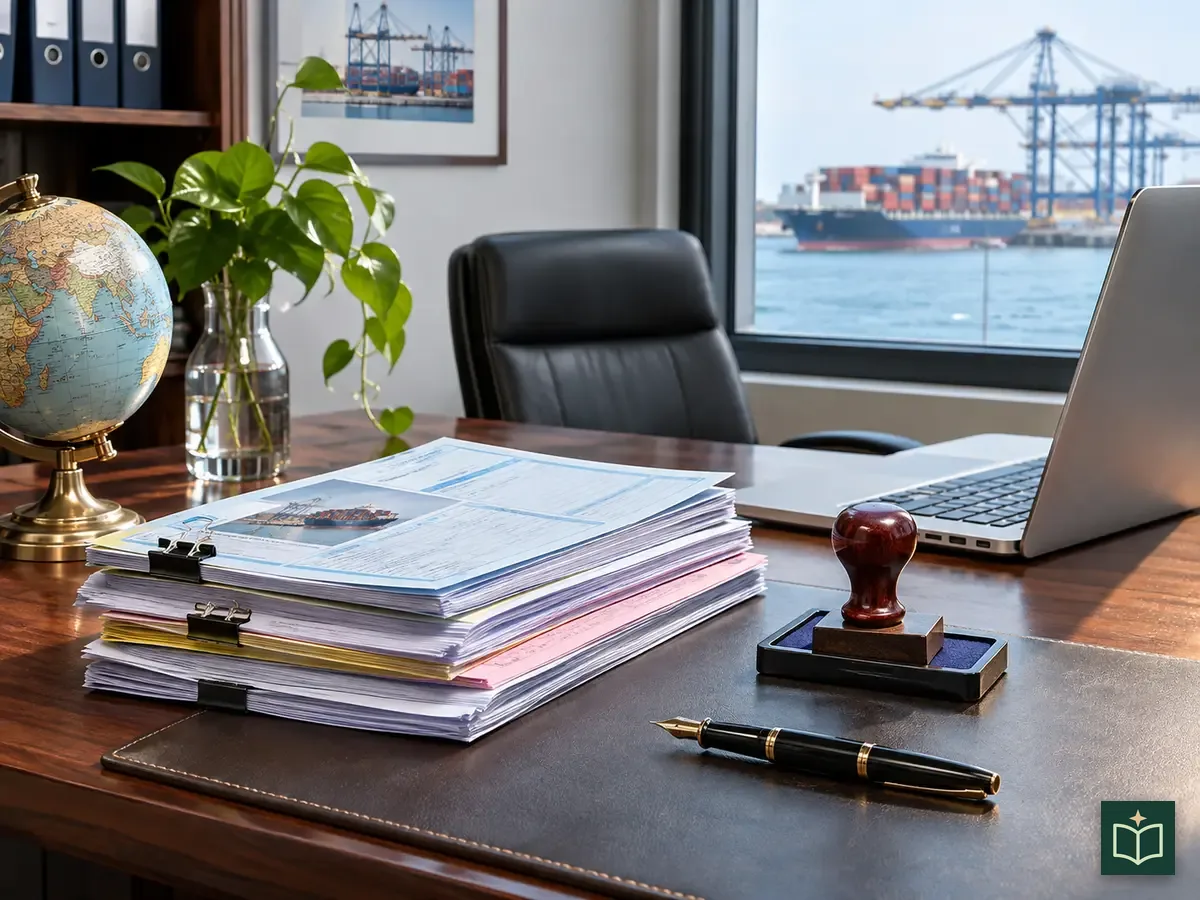
Imagine a general trading company in Dubai buying AED 500,000 of building materials from a manufacturer in Asia. After agreeing the contract, the buyer asks its bank to issue a letter of credit in the seller’s favour. The issuing bank sends it, usually through Swift, to an advising bank in the seller’s country, which confirms it is authentic. The seller ships the goods and gathers the documents listed in the credit, such as a commercial invoice, packing list, certificate of origin, insurance certificate and bill of lading. It presents them to its bank, which checks them and forwards them to the issuing bank for payment.
Documents, not goods
A crucial principle is that banks deal in documents, not goods. They do not inspect the cargo; they check whether the documents presented comply with the terms of the credit and with each other. If they do, the bank must pay, even if the buyer later finds a problem with the goods, which must then be resolved under the sales contract. The bill of lading is especially important because it serves as a receipt from the carrier and, in many cases, as a document of title, allowing the holder to claim the goods at the destination port. The buyer receives the documents only after paying or agreeing to pay.
Rules and variations
Most letters of credit are issued subject to the Uniform Customs and Practice for Documentary Credits, known as UCP 600, published by the International Chamber of Commerce and in force since 2007. These rules standardise how banks examine documents and allocate responsibilities worldwide. Variations exist for different needs. A confirmed credit adds the promise of a second bank, often in the seller’s country, protecting against the risk that the issuing bank or its country cannot pay. A usance credit allows payment at a later date, giving the buyer time to sell the goods. Standby credits act more like guarantees, paying only if the buyer defaults.
Discrepancies and costs
Letters of credit are secure but demanding. Banks examine documents strictly, and small discrepancies, such as a misspelled name, a late shipment date or an inconsistent description, can allow the issuing bank to refuse payment unless the buyer waives the problem. Industry surveys have long found that many first presentations contain discrepancies. Each step also carries fees for issuing, advising, confirming and amending the credit, and the buyer’s bank may require collateral or use part of its credit line. For these reasons, experienced traders often switch to simpler terms, such as open account trade, once trust is established. This article is educational and not financial or legal advice.
Why it still matters
Letters of credit are less dominant than they once were, as more trade between established partners moves to open account terms or supply chain finance. Yet they remain vital for new relationships, high-value deals, commodities and trade with higher-risk markets. In trading hubs such as the UAE, where companies buy from and sell to dozens of countries, letters of credit and related instruments are part of everyday business. The process is gradually going digital, with electronic bills of lading and platforms that let banks exchange documents securely online. The underlying idea, though, has lasted centuries: a reliable promise that turns a risky transaction into a manageable one.
Sources & further reading
Figures are rounded and widely published; check the linked organisations for the latest editions. These organisations do not endorse this website.