A campaign, not a shift
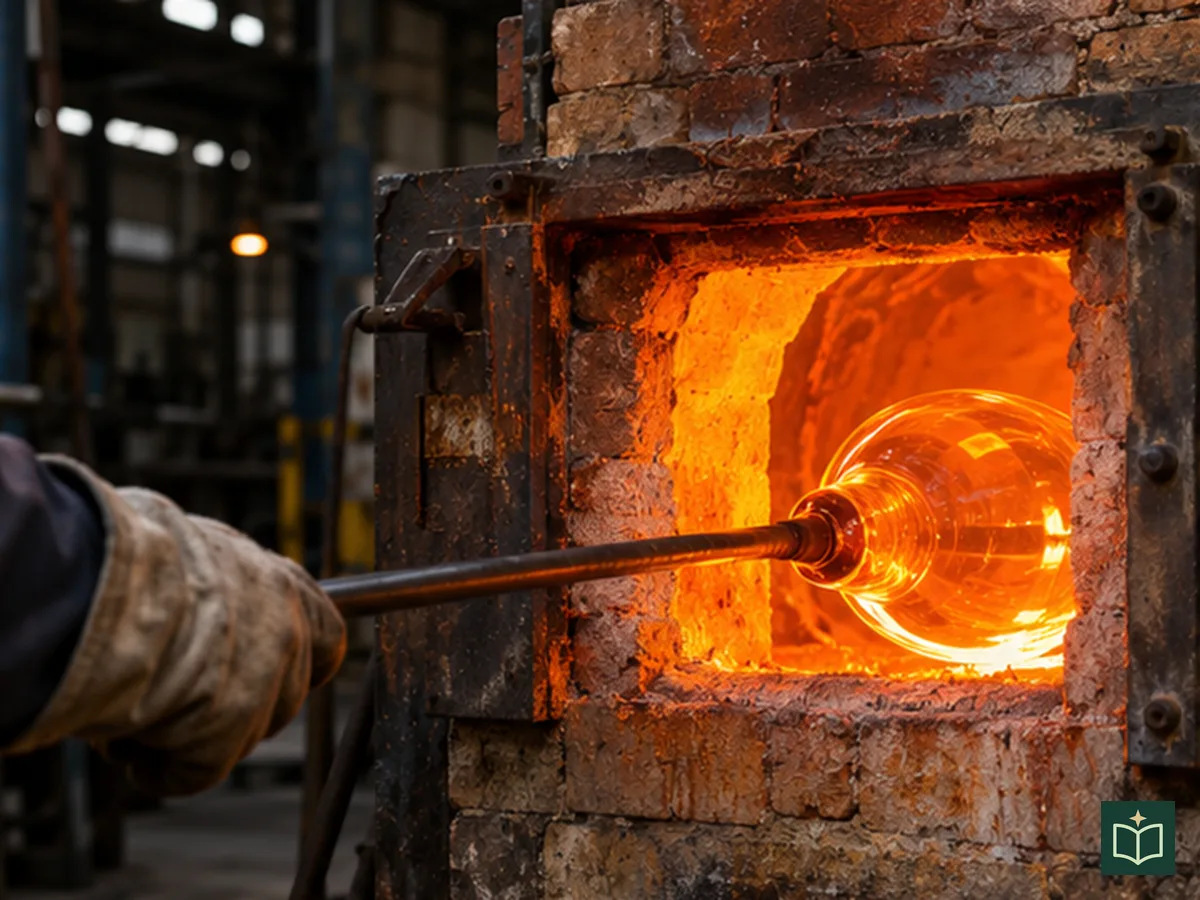
A glass furnace is lit once and then kept hot, day and night, until its lining wears out. The industry calls this period a campaign, and for large furnaces it typically lasts more than ten years and can approach twenty. Inside, a shallow pool of molten glass, sometimes holding hundreds of tonnes, sits beneath a vaulted roof of heat-resistant refractory bricks. Raw materials are fed in at one end and finished glass flows out the other to forming machines making bottles, jars, fibre or flat sheets. Stopping is costly and risky: the furnace must be cooled over weeks, rebuilt and slowly reheated, so operators avoid it except for planned rebuilds.
Why it cannot cool
The refractory lining is the main reason. These ceramic blocks expand as they heat and contract as they cool, and repeated cycles crack them, letting molten glass attack the structure. Glass left in the tank would also solidify into a solid mass. Even a temporary drop in output is managed carefully, keeping the furnace hot with burners while production slows. Heating up a cold furnace takes days and must follow a strict temperature curve. Continuous operation also suits the chemistry: glass needs time at high temperature for sand grains to dissolve fully and gas bubbles to rise and escape, a stage called refining, which determines how clear and flawless the finished product is.
Where the energy goes
Only part of a furnace's fuel ends up in the glass. Energy is needed to heat the raw materials, drive off carbon dioxide from carbonates such as soda ash and limestone, and melt the mixture. A large share escapes in hot exhaust gases, and more leaks through the walls and crown. Since the nineteenth century, most large furnaces have used regenerators: chambers of stacked bricks that absorb heat from the outgoing exhaust, then switch roles every few tens of minutes to preheat incoming combustion air. Oxy-fuel furnaces burn gas with nearly pure oxygen instead of air, shrinking exhaust volumes and losses. Natural gas is the main fuel in most countries, including the Gulf.
Cullet does double duty
Recycled glass, broken into pieces called cullet, is the most powerful tool for cutting energy. Cullet has already been melted and its carbonates already decomposed, so it melts at lower energy and releases no process carbon dioxide. A widely used rule of thumb is that each 10 per cent of cullet in the batch cuts furnace energy by about 2.5 to 3 per cent. Suppose a container furnace melts 600 tonnes a day at 6 gigajoules per tonne, or 3,600 gigajoules daily. Raising cullet by 50 percentage points, at 2.5 per cent per ten points, saves about 12.5 per cent, roughly 450 gigajoules a day. Green bottles often contain very high recycled shares for this reason.
Adding electricity
Many furnaces already use electric boosting: molybdenum electrodes immersed in the molten glass pass current through it, heating the melt directly from within. Boosting typically provides a minority of the energy, raising output or improving quality, but it can be pushed further. Small all-electric furnaces have long been used for some specialty glasses, and industry projects are now testing large hybrid furnaces designed to run mostly on electricity, with gas as a backup. Hydrogen burners are being trialled too. The challenges are scale, electrode wear, the cost of electricity compared with gas and the need for a reliable supply, since a furnace that loses power for long periods risks severe damage.
Why it matters
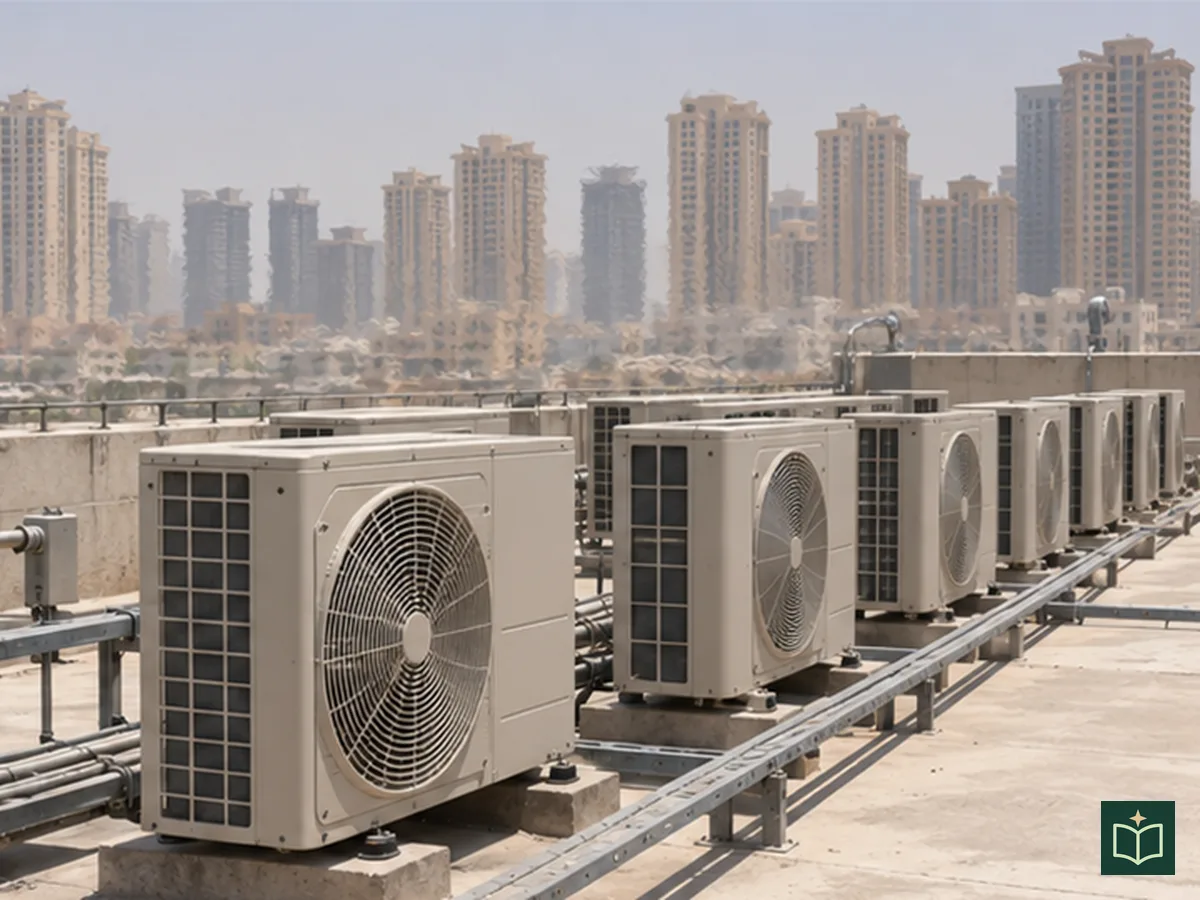
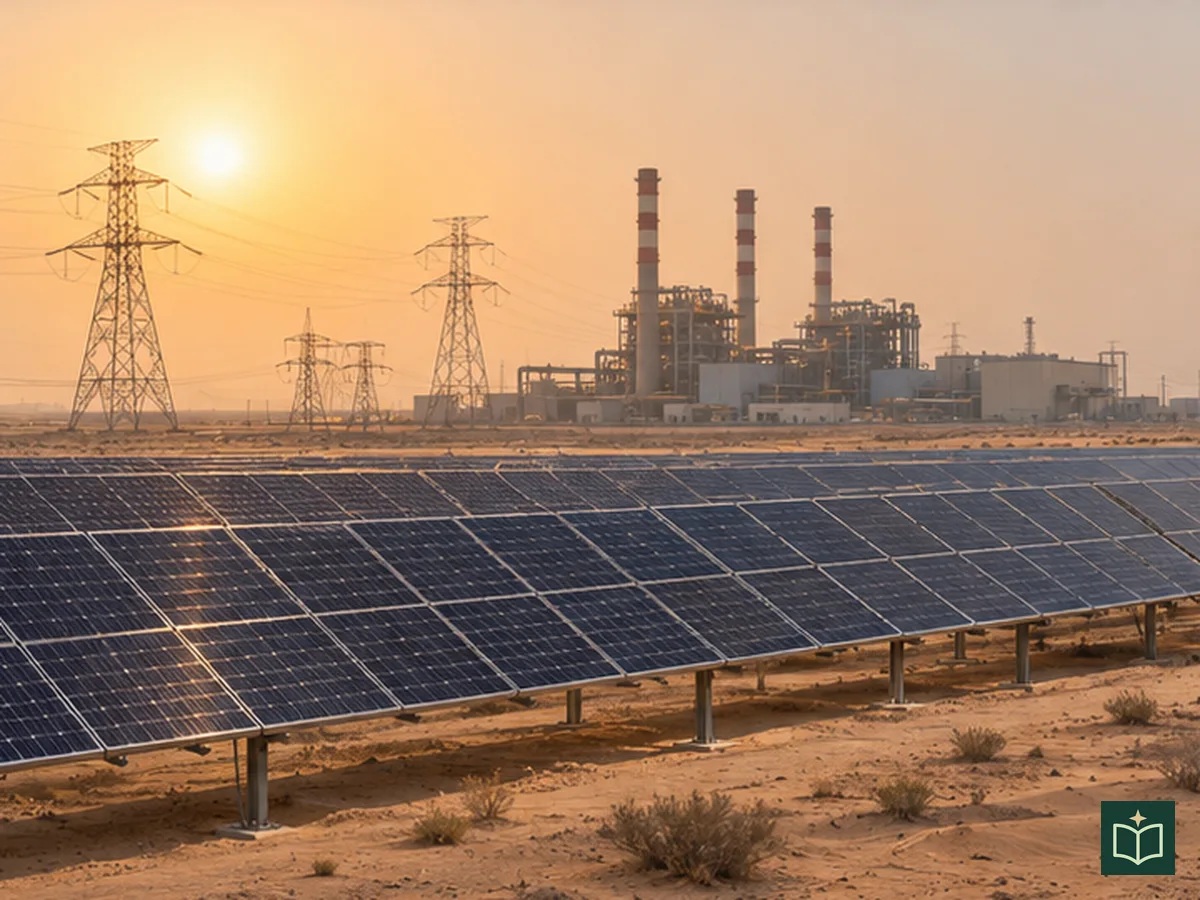
Glass is everywhere, from windows and solar panels to bottles, screens and insulation fibre, and global production runs to well over a hundred million tonnes a year. Because each furnace runs for so long, the choice made at each rebuild locks in its technology and fuel for another decade or more. That makes the timing of rebuilds a key moment for cutting emissions. Collecting clean, sorted cullet is just as important, which ties glassmaking to household recycling and deposit schemes. For a region building solar parks and towers clad in glass, how its furnaces are fuelled and how much glass it recycles will shape the footprint of its new skyline.
Sources & further reading
Figures are rounded and widely published; check the linked organisations for the latest editions. These organisations do not endorse this website.