Two kinds of building energy
Discussions of building energy usually focus on operation: the electricity for cooling, lighting and lifts, consumed year after year. Embodied energy is the other half. It covers everything spent to make the building exist, from quarrying limestone and smelting ore to rolling steel, floating glass, trucking materials and running cranes. Embodied carbon is the greenhouse gas released along the way, including emissions from chemical reactions, not only from fuel. Both are usually counted per kilogram of material or per square metre of floor area. Unlike operational energy, which can be cut later with better equipment, embodied energy is spent once, at the start, and cannot be recovered except by keeping the building in use longer.
The heavy four
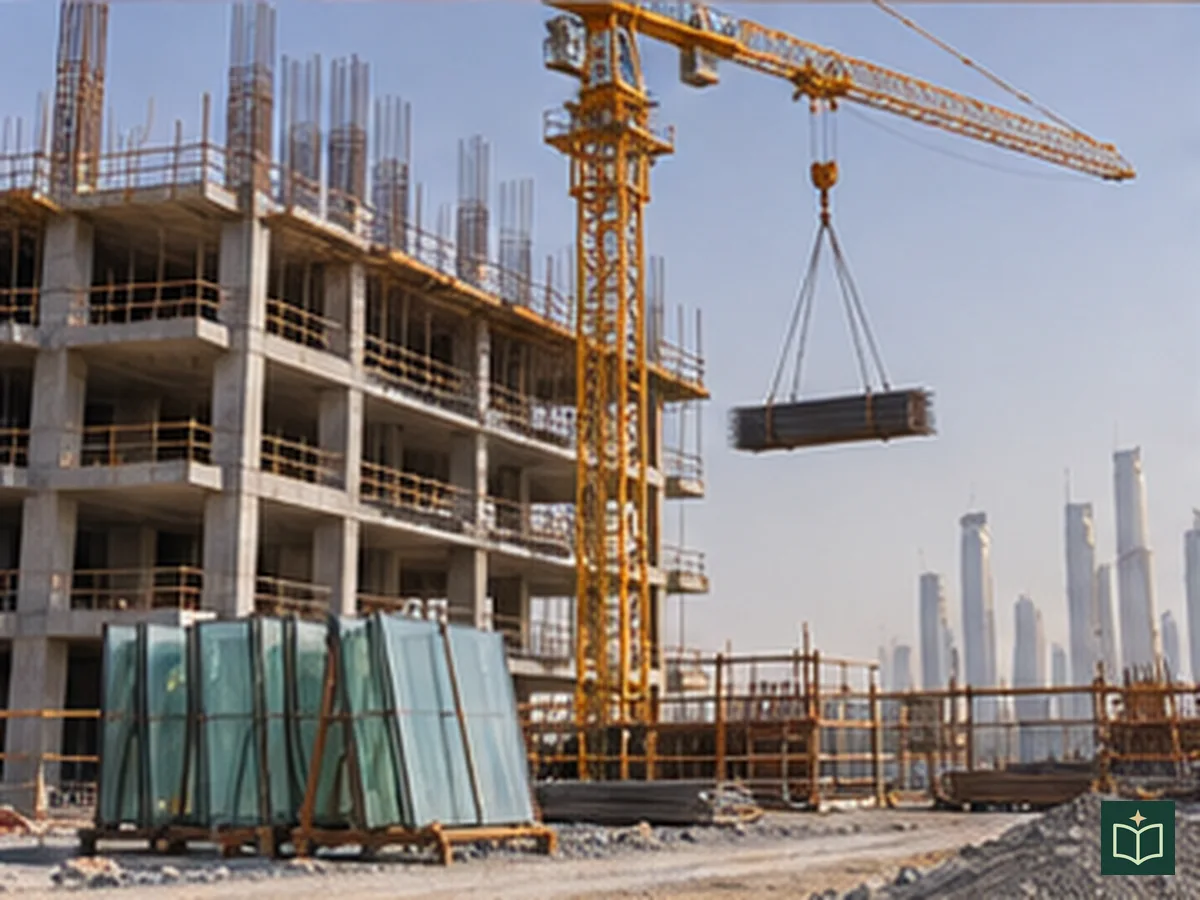
Four materials dominate. Concrete has low embodied energy per kilogram, about one megajoule in typical inventories, but it is used in vast quantities; one cubic metre weighs about 2,400 kilograms and therefore carries roughly 2,400 megajoules, or about 670 kilowatt-hours. Most of its carbon comes from cement. Steel carries far more per kilogram, often a few tens of megajoules, though recycled steel from electric furnaces needs much less. Flat glass is made in furnaces running at around 1,500°C. Aluminium is the most energy-hungry, because smelting it from alumina needs huge amounts of electricity, but recycling scrap cuts that energy by about 95 per cent. Exact values vary with the factory, the fuel and the recycled content.
Upfront versus lifetime
For most of the twentieth century, operational energy dwarfed embodied energy, often by a factor of several over a building’s life. That balance is shifting. As walls, glazing and cooling systems improve and grids decarbonise, the energy needed to run a building falls, while the energy needed to build it does not. For highly efficient new buildings, studies commonly find that embodied carbon can make up half or more of whole-life emissions. Across the world, the UN Environment Programme estimates that the buildings and construction sector accounts for around a third of energy-related carbon dioxide, and roughly a tenth of the global total comes from making building materials such as cement, steel and aluminium.
A Gulf perspective
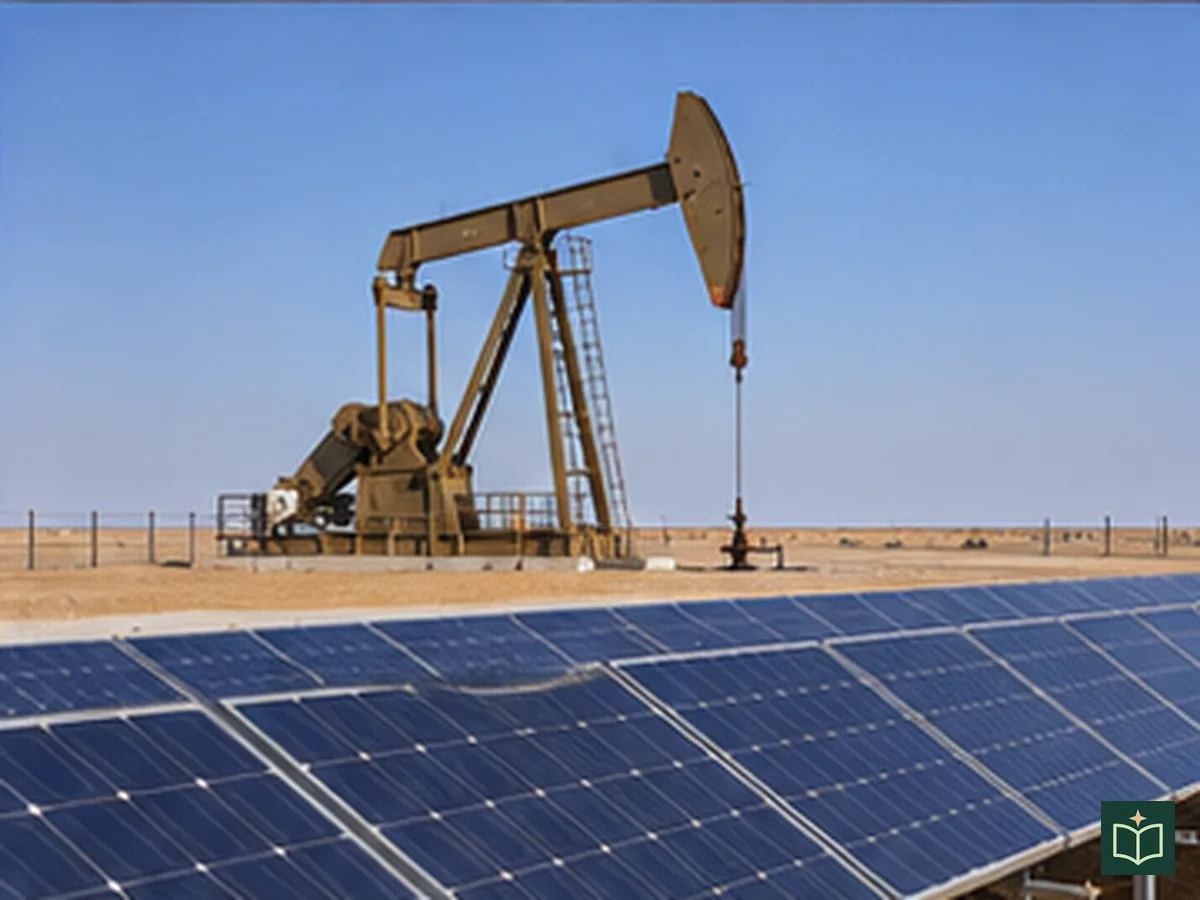
In hot climates such as the Gulf, operational energy remains large because cooling runs for much of the year, so embodied energy forms a smaller share of the lifetime total than in a mild climate. It is still substantial. The region builds with large volumes of reinforced concrete, tall glazed façades and aluminium cladding, all of which are energy-intensive. Rapid construction and redevelopment also matter: when buildings are demolished after twenty or thirty years rather than sixty, their embodied energy is spread over fewer years of use. Green building codes in Dubai and Abu Dhabi have focused mainly on operation, but material choices and recycled content are gaining attention in rating systems and procurement.
Common misunderstandings
Lighter is not always lower. A kilogram of aluminium carries far more embodied energy than a kilogram of concrete, yet a structure may need much less of it, so comparisons must be made per building element, not per kilogram. Local is not automatically better either; transport is usually a small share compared with manufacturing, except for very heavy materials moved long distances by road. Timber and other bio-based materials can store carbon, but the benefit depends on forestry practice and what happens at the end of the building’s life. Figures also depend on boundaries: some studies stop at the factory gate, while others include construction, maintenance, demolition and recycling. Comparing numbers without checking the boundary is a common error.
Ways to cut it
The most effective tool is often to build less new material: reuse existing structures, refurbish instead of demolishing, and design efficient structural grids that avoid excess concrete and steel. Next comes lower-carbon material: cement blended with slag, fly ash or calcined clay, steel with high recycled content, and aluminium smelted with low-carbon electricity or recycled. Designing buildings so components can later be taken apart and reused keeps embodied energy in circulation. Whole-life carbon assessments, now required for larger projects in some countries, put upfront and operational figures side by side. That comparison helps designers see where a few extra tonnes of material actually save energy over the decades the building will stand.
Sources & further reading
Figures are rounded and widely published; check the linked organisations for the latest editions. These organisations do not endorse this website.