Forced from home. Still inside the border.
The distinction between refugees, asylum-seekers and internal displacement changes how we read the human cost of conflict.
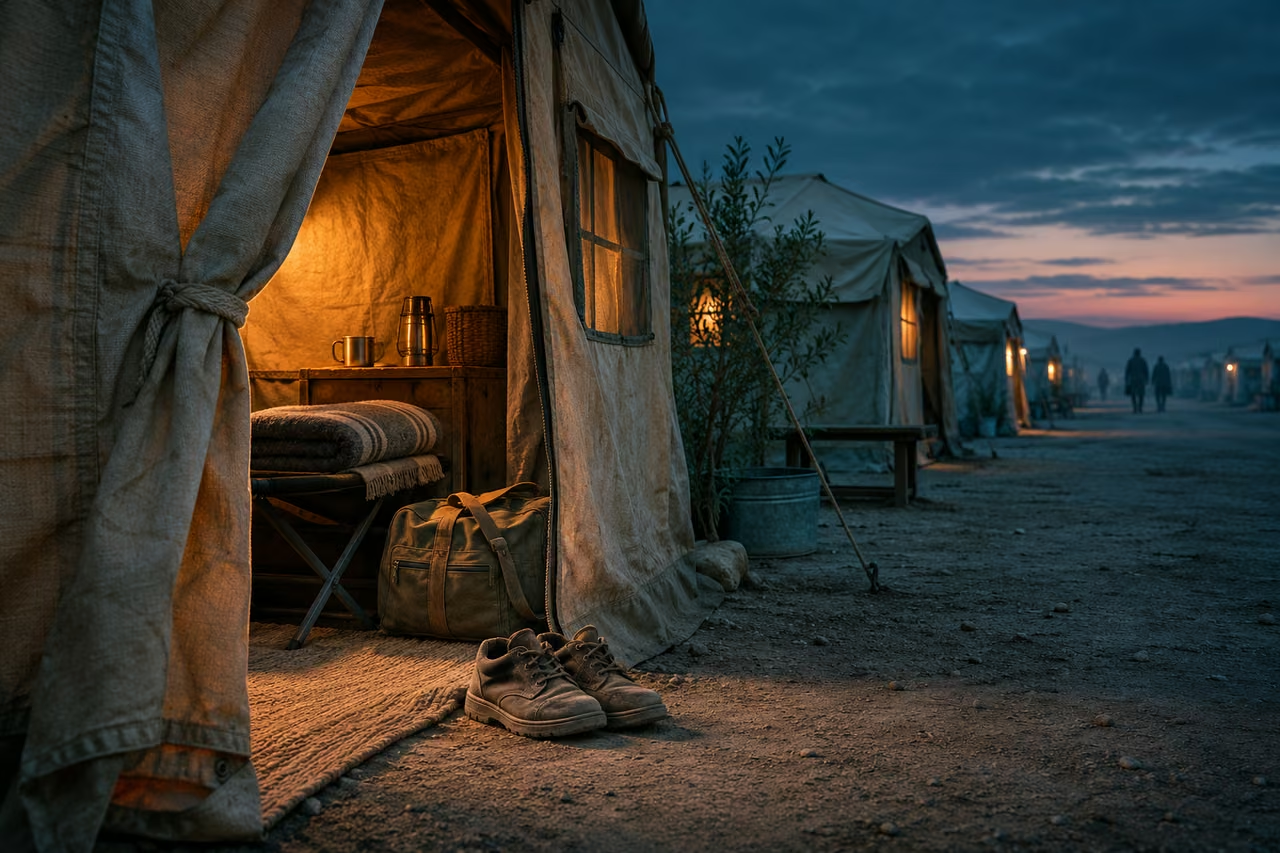
Conceptual AI illustration; not a documentary photograph.
Evidence: End-of-2025 population stocks; Global Trends published 11 June 2026
UNHCR’s June 2026 release puts internal displacement at the centre of the picture. Refugee numbers fell during 2025, but many returns occurred in adverse conditions. A smaller headline is not automatically a safer world.
- 01
Home becomes unsafe
Displacement begins with a person compelled to leave. Counting people is a way to organise protection and assistance; it should never replace attention to individual circumstances.
- 02
A border changes the category
Internally displaced people remain inside their country. Refugees are outside their country and need international protection. An asylum-seeker seeks that protection, with their claim not yet finally determined.
- 03
A journey does not settle the future
Returning, remaining abroad or moving again can all leave unresolved questions about housing, safety, documents, livelihoods and access to services.
Read the categories before the scale.
- Internal displacement · conflict and violence68.7Millions of people, end of 2025
- UNHCR Global Trends broad refugee grouping41.6Millions of people, end of 2025
UNHCR Global Trends, June 2026. Separate reported populations, not components of a total to be added. Definitions and possible overlap matter.
Evidence period: End-of-2025 population stocks; Global Trends published 11 June 2026 · Source details below
What the numbers actually count
For the end of 2025, UNHCR Global Trends reports 68.7 million conflict- and violence-related internally displaced people and 41.6 million people in its broad refugee grouping. That second figure includes several protection categories and Palestine refugees under UNRWA’s mandate. It should not be presented as only refugees under UNHCR’s mandate.
Different categories, different responsibilities
UNHCR’s statistical definitions distinguish location from protection status. Internal displacement does not require crossing an international border. An asylum claim awaiting determination is a different category from a recognised status. These distinctions matter when reading a chart: categories can change over time, and the same human journey can pass through more than one of them.
Count stability as well as movement
Our interpretation: a meaningful account asks what happens after arrival. Can children attend school? Can adults work? Is housing secure? Does a return allow a household to rebuild, or simply change where vulnerability is recorded? Annual population stocks, movements during a year and returns answer different questions. A serious comparison keeps their dates and definitions visible instead of treating them as interchangeable totals.
Better questions.
A clearer picture.
- Are new releases measuring people at year-end, new movements or returns during the year?
- Are returns accompanied by safety and a viable chance to rebuild?
- Which protection categories are included, and has the definition changed?
Sources & dates.
- UNHCR · Global Trends, June 2026 release
Published: 11 June 2026
Evidence period: End of 2025 - UNHCR · Refugee Data Finder: definitions
Published: Undated methodology; checked 15 November 2026
Evidence period: Definitions, not a population estimate - UNHCR · Asylum-seekers
Published: Undated explainer; checked 15 November 2026
Evidence period: Definition and end-of-2025 context
Checked 15 November 2026. Conditions can change after publication. These organisations do not endorse Canvas of Knowledge.