Depth is a different ranking
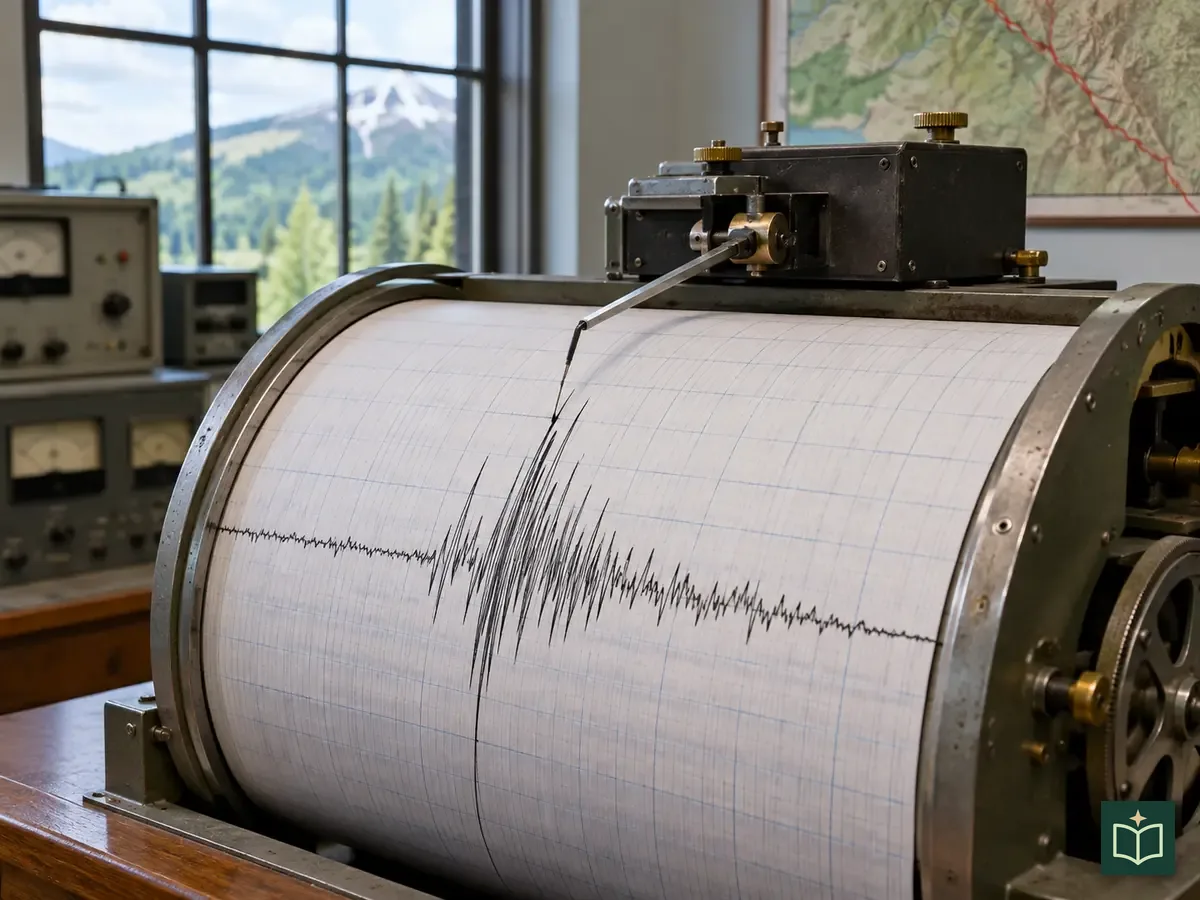
Ranked by surface area, the world’s largest lakes are led by the Caspian Sea and North America’s Great Lakes. Ranked by depth, the order changes almost completely. Lake Baikal is only around seventh by area, yet it is the deepest lake on Earth and holds more fresh water than any other. Depth is measured by echo sounding: a boat sends sound pulses downwards and times their return from the lake bed, building up a map of the basin. This table uses each lake’s maximum recorded depth rather than its average. Some figures come from older surveys, so they may change slightly as new measurements are made with more modern equipment.
Rift lakes
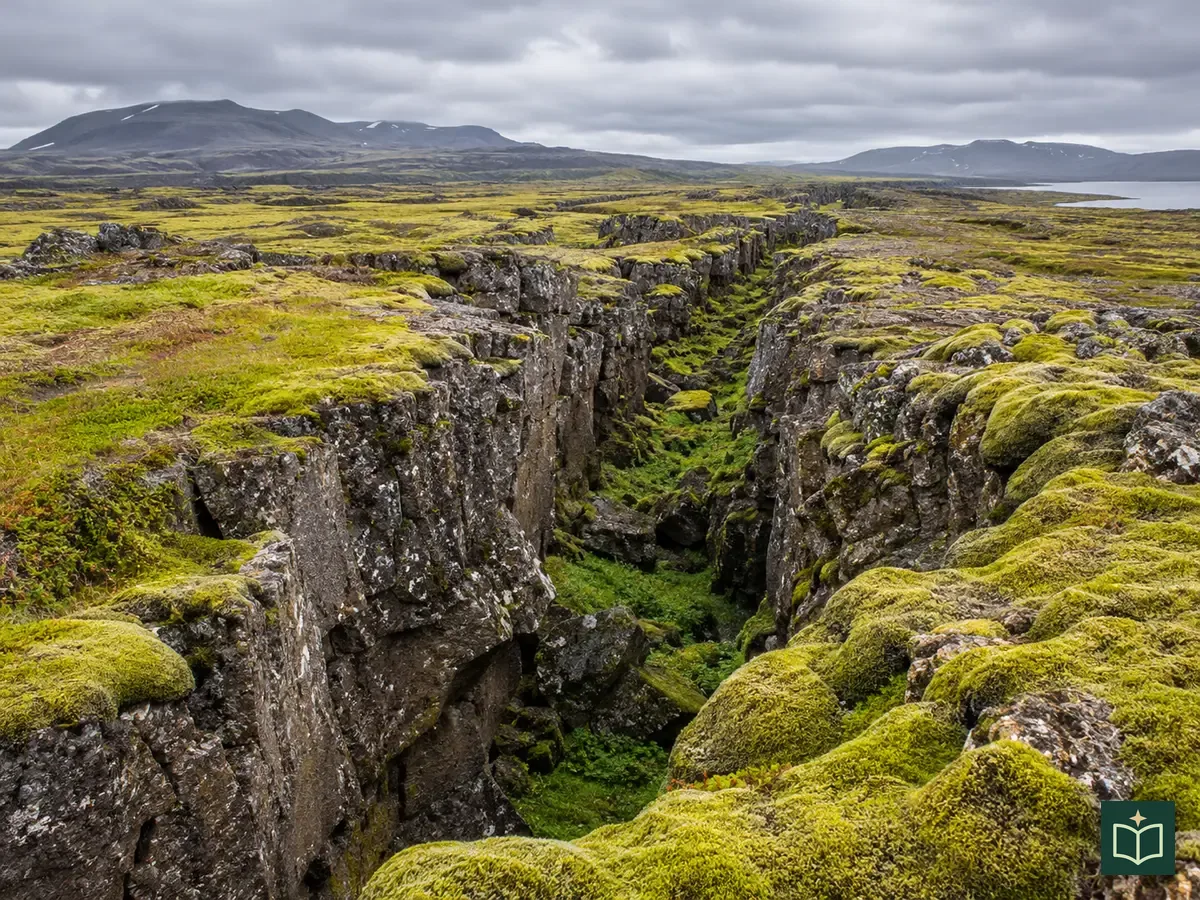
The two deepest lakes both fill continental rifts, places where the Earth’s crust is being stretched and blocks of rock drop down between faults. Lake Baikal, in southern Siberia, sits in a rift that is still slowly widening. Beneath its water lie several kilometres of sediment, so the true depth of the rock basin is far greater than the depth of the lake. Lake Tanganyika, shared by four countries in East Africa, lies in the western branch of the East African Rift and reaches about 1,470 metres. Lake Malawi, fifth, sits further south in the same rift system, and both lakes are famous for hundreds of species of fish found nowhere else.
The Caspian and Issyk-Kul
The Caspian Sea, the largest lake by area, is also the third deepest, reaching about 1,025 metres in its southern basin. Its northern part, by contrast, is only a few metres deep, so its average depth is modest. The Caspian is a remnant of an ancient sea that was cut off from the ocean millions of years ago, which explains its brackish water. Issyk-Kul, sixth, lies high in Kyrgyzstan’s Tian Shan mountains at about 1,600 metres above sea level. Its name is often translated as warm lake because it does not freeze in winter, thanks to its depth, slight saltiness and the heat stored in its large volume of water.
Carved by ice
Several of the deepest lakes were excavated by glaciers. During ice ages, thick glaciers flowing along valleys can scour basins far below the surrounding land, and when the ice retreats, water fills the trough. Lake O’Higgins, known in Argentina as Lake San Martín, sits on the Chile–Argentina border in Patagonia and is the deepest lake in the Americas. General Carrera, known in Argentina as Buenos Aires, lies nearby and is also shared by the two countries. Great Slave Lake in Canada’s Northwest Territories, seventh, is the deepest lake in North America. All three have long, branching shapes that trace the valleys once filled by moving ice.
Volcanic and ancient lakes
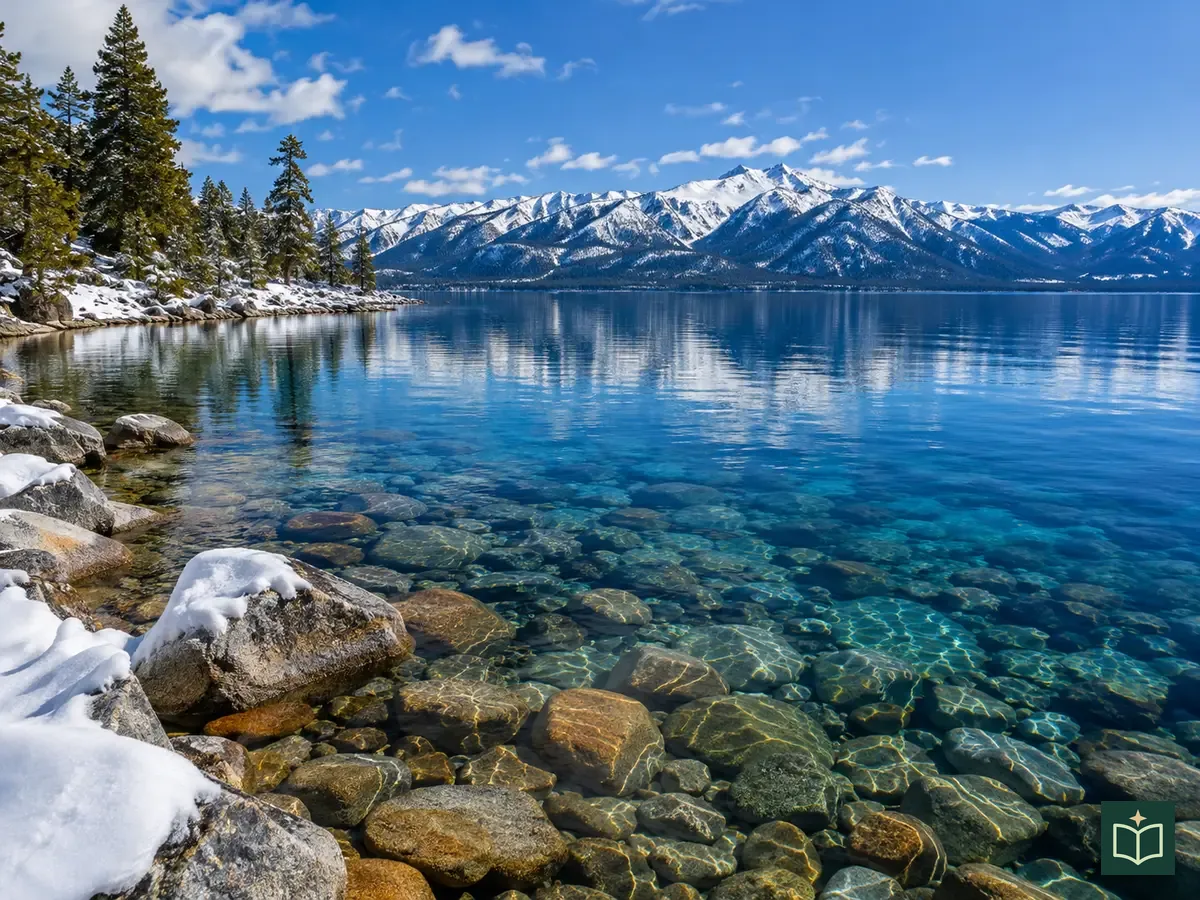
Crater Lake in Oregon fills the caldera left when the volcano Mount Mazama erupted and collapsed about 7,700 years ago. Fed almost entirely by rain and snow rather than rivers, it is famous for its exceptionally clear, deep-blue water and is the deepest lake in the United States. Lake Matano, on the Indonesian island of Sulawesi, is a tectonic lake whose floor lies below sea level. Like Baikal and Tanganyika it is very old by lake standards, and it hosts many species found nowhere else. Most lakes fill up with sediment within thousands of years; the deepest, oldest basins survive long enough for unique ecosystems to evolve.
Hidden lakes and close calls
The table leaves out lakes buried beneath ice. Lake Vostok in Antarctica lies under about four kilometres of ice and may be several hundred metres deep, but its depth is known only from seismic and radar surveys, so it is usually listed separately. Positions nine and ten are effectively tied, and some surveys place General Carrera slightly deeper than Lake Matano. For scale, the deepest part of the Gulf is only about 90 metres, so Baikal is roughly eighteen times deeper. Deep lakes matter because they store vast amounts of fresh water and keep long records of past climate in the layers of sediment on their floors.
Sources & further reading
Figures are rounded and widely published; check the linked organisations for the latest editions. These organisations do not endorse this website.