The continent beneath the waves
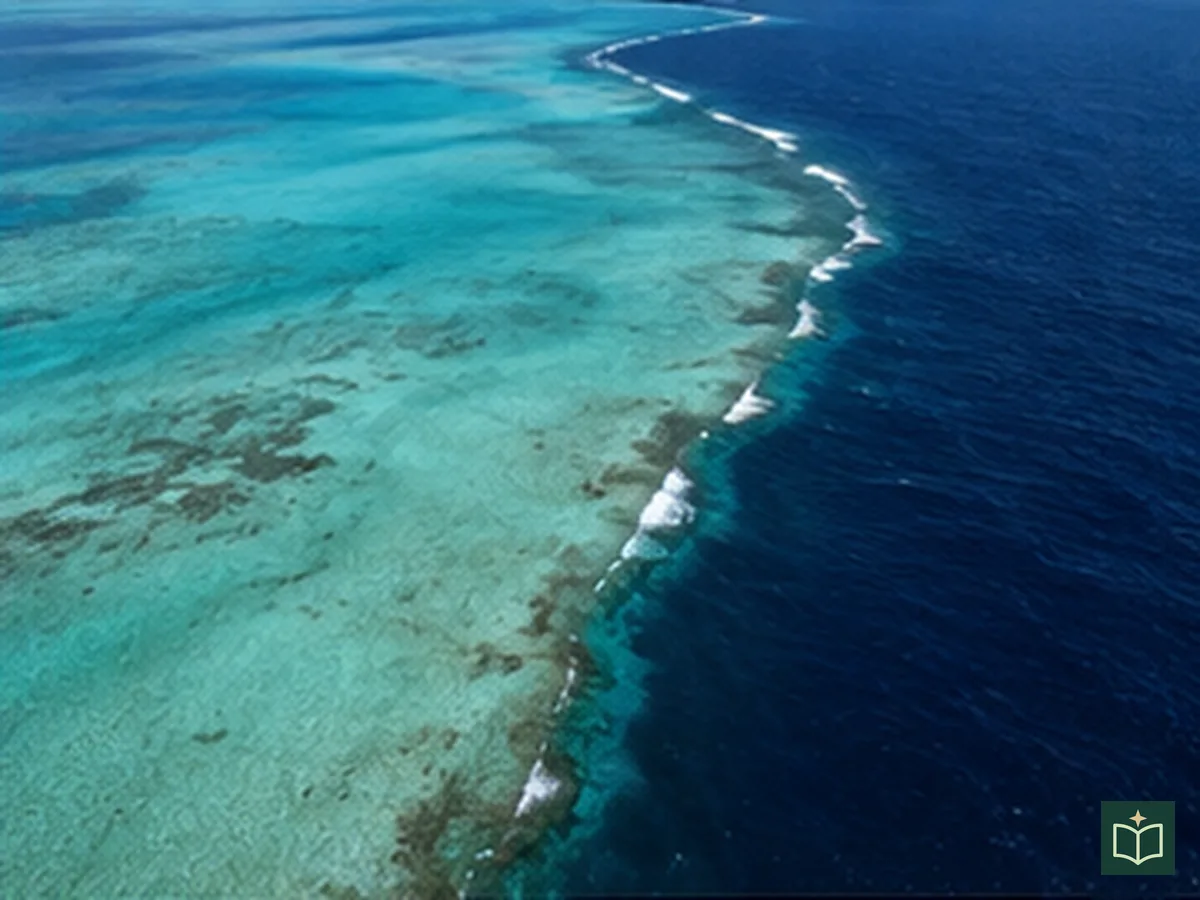
The coastline is not where a continent ends. Its rocks continue under the sea as a broad, gently sloping platform called the continental shelf. Shelves are made of the same thick, relatively light continental crust as the land, covered by sediment washed off the continents. The water above them is usually less than about 150 metres deep. At the outer edge, the shelf break, the sea floor tilts down more steeply onto the continental slope, falling to depths of several thousand metres. At its foot lies the continental rise, a wide apron of sediment that merges into the flat abyssal plain of the deep ocean.
Wide and narrow shelves
Shelves vary hugely in width. Along active margins, where tectonic plates collide, such as the Pacific coast of South America, the shelf may be only a few kilometres wide and the sea floor drops steeply into an ocean trench. Along passive margins, far from plate boundaries, sediment accumulates for millions of years, building wide shelves such as those off eastern North America. The Siberian shelf, beneath the Arctic Ocean, reaches more than 1,000 kilometres out to sea in places. Worldwide, continental shelves cover roughly a twelfth of the ocean's area, yet they host a share of marine life far larger than that suggests.
Rich, shallow seas
Shelf seas are among the most productive waters on Earth. Sunlight reaches much of the sea floor, rivers deliver nutrients from the land, and storms and tides stir the water. Most of the world's fish catch comes from shelf seas and nearby upwelling zones. Shelves also hold large deposits of oil and gas, formed from sediments buried over millions of years, and sand and gravel used in construction. That wealth makes them politically important. Under the UN Convention on the Law of the Sea, a coastal state's legal continental shelf extends at least 200 nautical miles, and further where the geological shelf continues.
When shelves were dry
Sea level has risen and fallen with the ice ages. About 20,000 years ago, at the peak of the last glaciation, so much water was locked in ice sheets that global sea level stood roughly 120 metres lower than today. Most continental shelves were exposed as plains, crossed by rivers and grazed by animals. A land bridge joined Asia to North America across what is now the Bering Strait, Britain was linked to mainland Europe by a lowland called Doggerland, and the islands of western Indonesia formed part of a larger landmass known as Sundaland. As the ice melted, the sea flooded back across them.
The Gulf: a flooded shelf
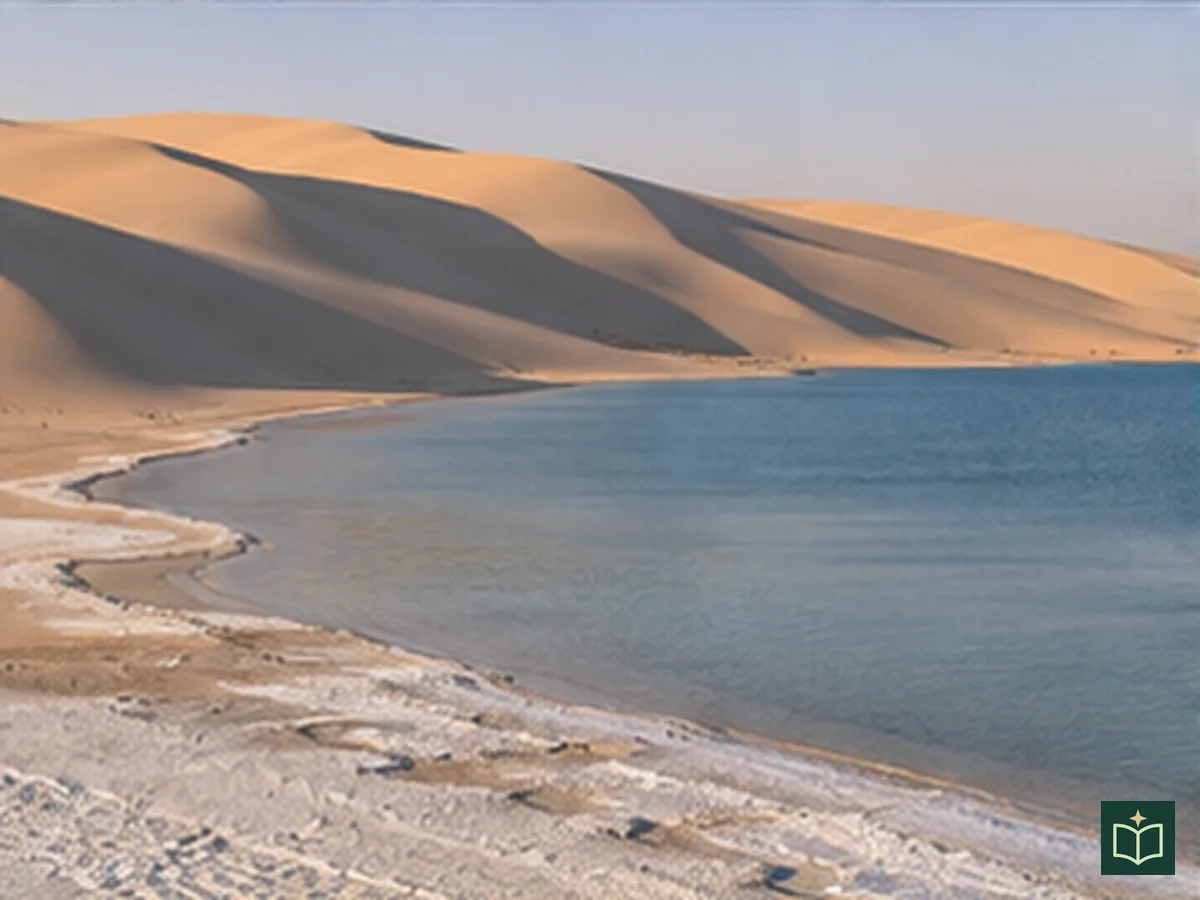
The Gulf is a striking example. It lies entirely on continental shelf, with an average depth of only about 35 metres. At the last glacial maximum it would have been almost completely dry, a broad lowland with a river system flowing from Mesopotamia towards the Strait of Hormuz. As sea level rose, the sea advanced up the basin, flooding much of it between around 14,000 and 6,000 years ago, before reaching roughly its present level. Archaeologists believe the drowned plain may once have supported people and animals, although direct evidence from the sea floor is still limited and research continues.
Why it matters now
The shelf is where most human activity at sea takes place: fishing, shipping lanes, ports, offshore wind and oil platforms, undersea cables and land reclamation. It is also where rising seas will have their first effects, since today's low-lying coasts are the newest part of the shelf to flood. Studying how sea level crossed the shelf after the last ice age helps scientists understand how fast coastlines can move. For the Gulf, shallow water explains many of its characteristics, from its high summer temperatures and salinity to the ease of building islands, and its seagrass, coral and fisheries all depend on that shelf.
Sources & further reading
- Britannica · Continental shelf ↗
- NOAA Ocean Exploration ↗
- UN Division for Ocean Affairs and the Law of the Sea ↗
Figures are rounded and widely published; check the linked organisations for the latest editions. These organisations do not endorse this website.