Two routes to a yellow block
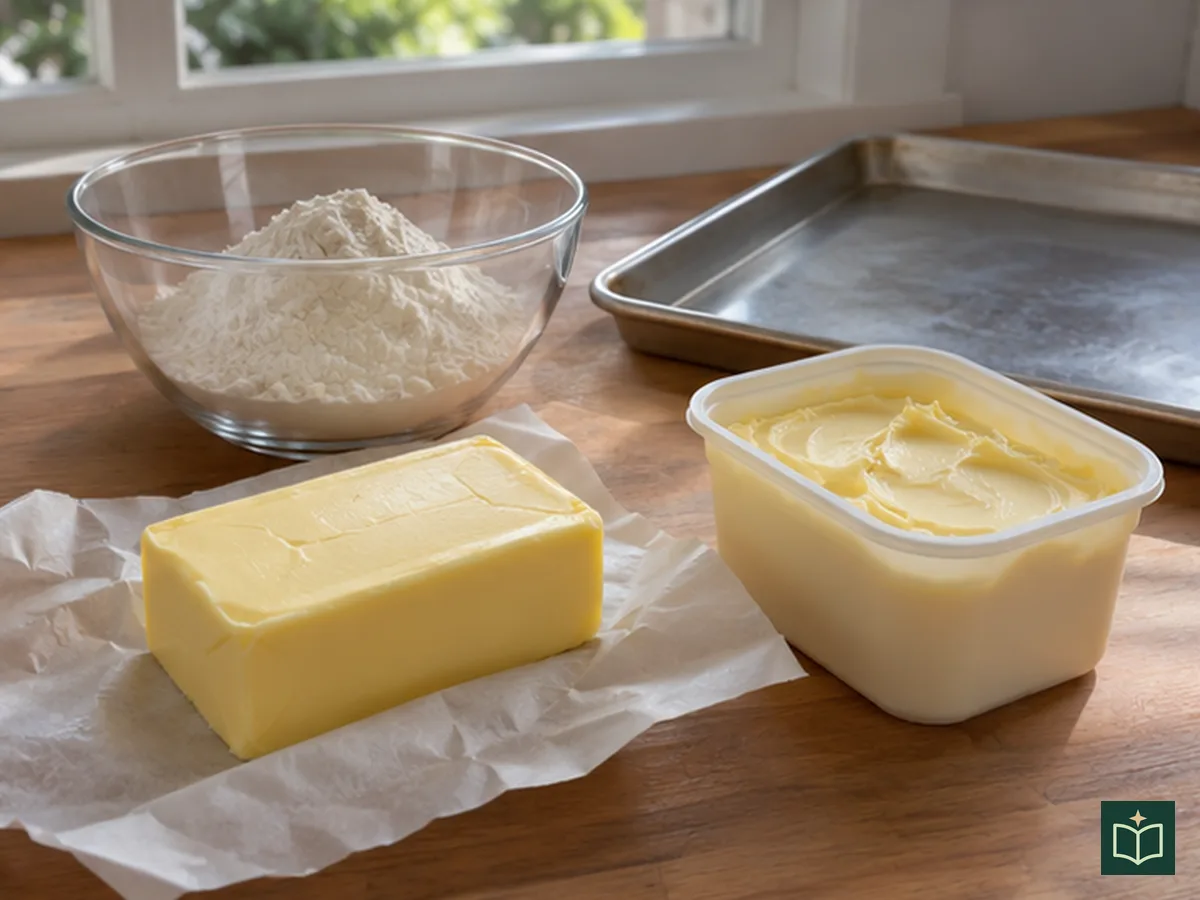
Butter is one of the oldest processed foods. Cream is agitated until its fat globules break their thin membranes and clump into solid butter, leaving liquid buttermilk behind. The result is about 80% milk fat, around 16% water and small amounts of milk solids, sometimes with added salt. Margarine is a modern invention. It is an emulsion: vegetable oils such as sunflower, rapeseed, palm or soybean are blended with water, salt, emulsifiers and often added vitamins. Because most plant oils are liquid at room temperature, manufacturers must firm them up, either by adding naturally solid fats such as palm, or by chemically changing the oils.
An emperor's prize
Margarine began as a cheap substitute. In the 1860s France faced butter shortages, and Napoleon III offered a prize for an affordable alternative for the army and the poor. In 1869 the chemist Hippolyte Mège-Mouriès patented a spread made from beef fat and milk. Over the twentieth century, manufacturers switched to vegetable oils, using a process called partial hydrogenation to harden them. That made margarine spreadable straight from the fridge and long-lasting. Dairy industries in several countries fought back hard: some American states once banned margarine coloured yellow, forcing buyers to mix in the dye themselves, a sign of how closely the two products competed.
The fats inside
The two differ most in their fat types. Around two-thirds of the fat in butter is saturated, which tends to raise LDL cholesterol in the blood. Butter also contains a little dietary cholesterol and small amounts of natural trans fats from cows' digestion. Most margarines and spreads are made mainly from unsaturated plant fats, which are linked to better heart health when they replace saturated fat. The problem was the old hardening process. Partial hydrogenation created industrial trans fats, which raise harmful cholesterol and lower the protective kind. For decades, many margarines were arguably worse for the heart than butter.
Trans fats removed
Evidence against industrial trans fats became so strong that the World Health Organization called for them to be eliminated from the global food supply, and many countries have limited or banned partially hydrogenated oils. Manufacturers now firm up oils in other ways, for instance by blending in palm and coconut fats or by a process called interesterification. As a result, most margarines sold today contain little or no trans fat, though some have more saturated fat than older recipes. The WHO advises keeping saturated fat below 10% of daily energy. Nutrition labels are the best guide, since products vary widely; people with heart concerns should seek professional advice.
What happens in the oven
Bakers care about more than health. Butter melts near body temperature, around 32 to 35°C, which gives it a clean mouthfeel, and its milk solids brown to give flavour. Its water turns to steam in the oven, helping to puff up flaky pastry. Block margarine with about 80% fat can substitute reasonably well in most cakes and biscuits, though the taste differs. Soft, low-fat spreads are another matter: some contain less than 60% fat and much more water, which can make biscuits spread thin and cakes heavy. In Gulf kitchens, ghee, butter with its water and milk solids cooked off, is a third option for high-heat frying.
Choosing between them
There is no single winner. Butter offers flavour and a short ingredient list but a high share of saturated fat. Modern margarines usually offer more unsaturated fat, but quality varies and some are heavily processed. Health bodies generally suggest using less of either and favouring liquid plant oils, such as olive or rapeseed oil, where possible. In cooking, the rule of thumb is to match the fat content rather than the name: an 80% block behaves like butter, while a spread labelled light or reduced-fat is best kept for toast. For most people, how much they use matters more than which tub they reach for.
Sources & further reading
- World Health Organization · Trans fat ↗
- World Health Organization · Healthy diet ↗
- Britannica · Margarine ↗
Figures are rounded and widely published; check the linked organisations for the latest editions. These organisations do not endorse this website.