An idea from 1988
In 1988 the British ecologist Norman Myers proposed a simple way to prioritise conservation. Species are not spread evenly across the planet; some regions hold far more unique ones than others. Myers identified places that were both exceptionally rich in species found nowhere else and under severe threat. He called them hotspots. The idea was developed by Conservation International, which set two formal criteria. A region must contain at least 1,500 species of vascular plants that are endemic, found only there. And it must have lost at least 70% of its original natural vegetation. Thirty-six regions currently meet both tests.
A small share of land
The striking thing about hotspots is how concentrated they are. Their original extent covered roughly 15% of Earth's land. After centuries of clearance, the intact habitat that remains covers only about 2.5%. Yet these remnants hold more than half of the world's endemic plant species and around 43% of endemic bird, mammal, reptile and amphibian species. Plants are used as the main measure because they are well studied, underpin food webs and tend to reflect wider diversity. If those fragments were lost, a disproportionate share of species would disappear with them. Many of those species occur in just one valley, island or mountain range, so even small losses of habitat can wipe them out entirely.
Why life concentrates
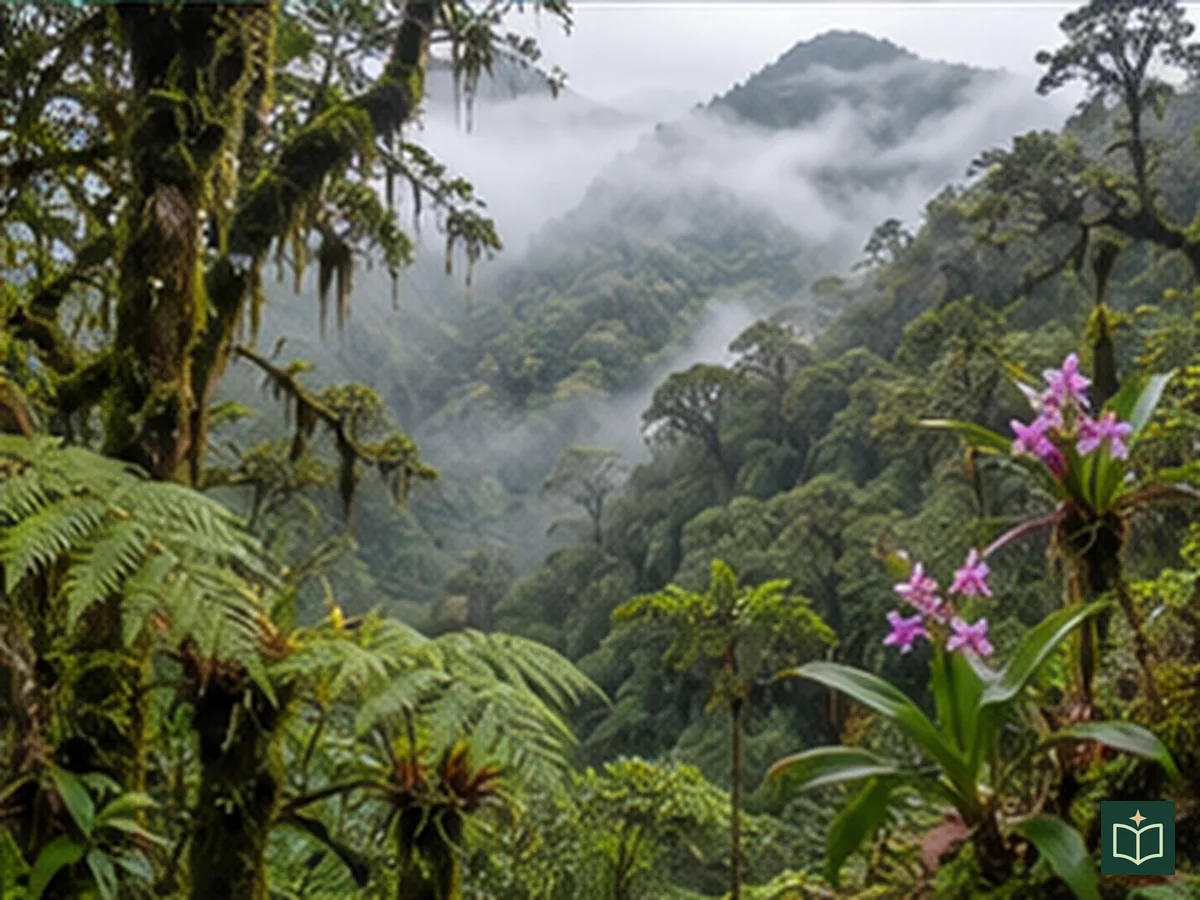
Several conditions produce hotspots. Tropical regions, with warm, wet and long-stable climates, support great numbers of species. Mountains create many climates within short distances, isolating populations so they evolve apart, as in the Tropical Andes, often considered the richest hotspot of all. Islands do the same, which is why Madagascar, New Caledonia and the Caribbean islands qualify. Regions with a Mediterranean climate, including the Cape of South Africa, California and the Mediterranean Basin itself, are hotspots too: poor soils, fire and long dry summers have driven plants to diversify into many narrowly adapted species. Isolation and variety, repeated over millions of years, are the common thread.
Hotspots near the Gulf
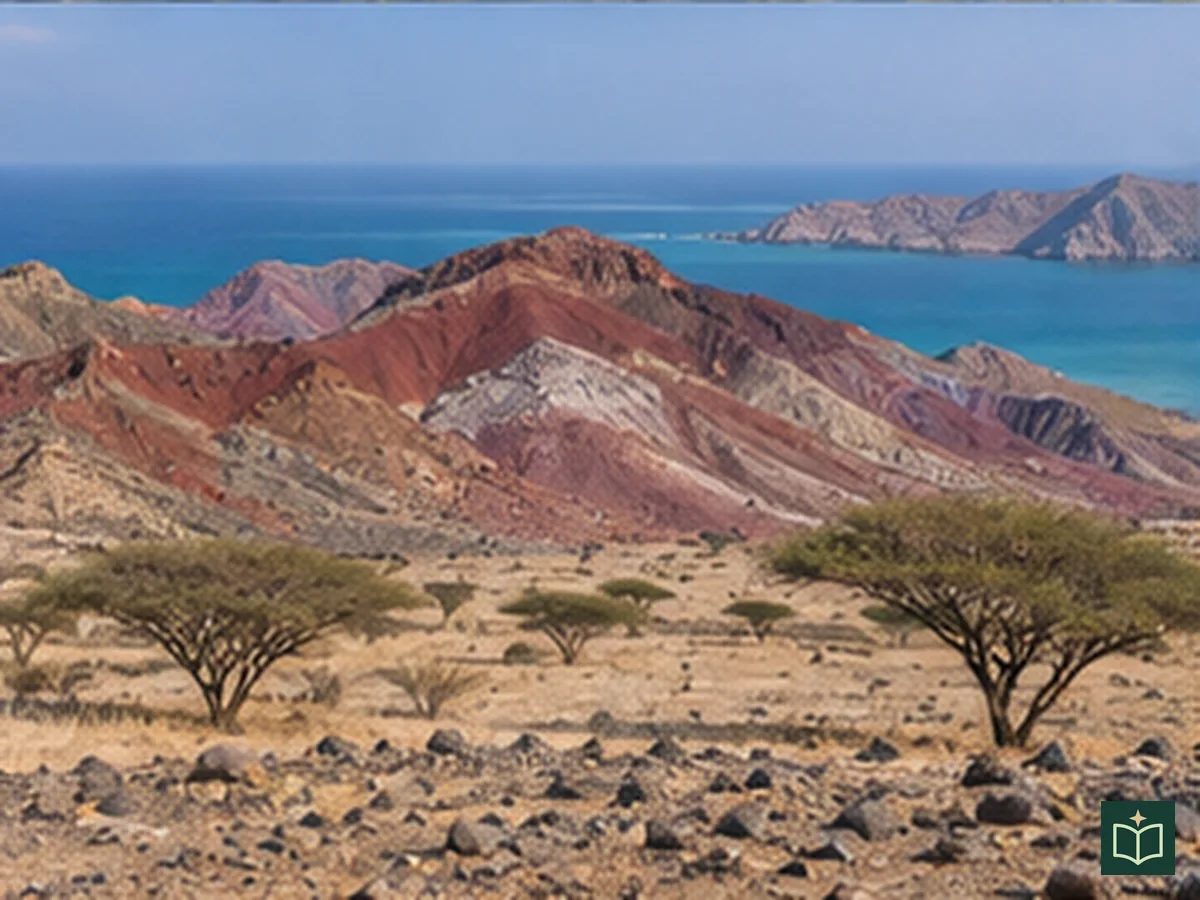
Arabia is mostly dry and species-poor in absolute terms, but its southern edge falls within a hotspot. The Horn of Africa hotspot extends across Somalia, Djibouti and parts of Ethiopia and Kenya, and also includes southern Arabia, in Yemen and Oman, along with the island of Socotra. Its plants include frankincense and myrrh trees and Socotra's dragon's blood tree. Nearby, the Irano-Anatolian hotspot covers mountains in Iran and Türkiye, home to wild relatives of wheat and other crops. The UAE lies outside formal hotspots, but its mountains, mangroves and seagrass beds still protect species of regional importance. Regional hotspots can matter even where global ones do not reach.
Criticism and limits
Hotspots are not the only way to set priorities, and they have critics. The approach focuses on land plants, so it does not capture oceans, freshwater life or insects well. It also overlooks large wilderness areas such as the Amazon interior, which is rich in species but less threatened by the 70% loss test. Some argue the concept underplays the needs of people who live in and depend on hotspots. Conservationists now combine it with other tools, including Key Biodiversity Areas, which identify individual sites of importance, and with ecosystem services, which value the benefits nature provides to people. Used together, these tools give a fuller picture than any single list.
Why it matters
Conservation budgets are small compared with the scale of habitat loss, so where money goes matters. The hotspot idea has helped direct funding, notably through the Critical Ecosystem Partnership Fund, set up in 2000 to support local organisations working in hotspots. It has also shaped how people picture the planet's biodiversity, showing that much of it lies in a few crowded places that are also under pressure from farming, logging and growing populations. Protecting the remaining fragments, and reconnecting them where possible, offers one of the most efficient ways to slow the loss of species. Hotspots are a map of both richness and risk.
Sources & further reading
Figures are rounded and widely published; check the linked organisations for the latest editions. These organisations do not endorse this website.