Founding the League
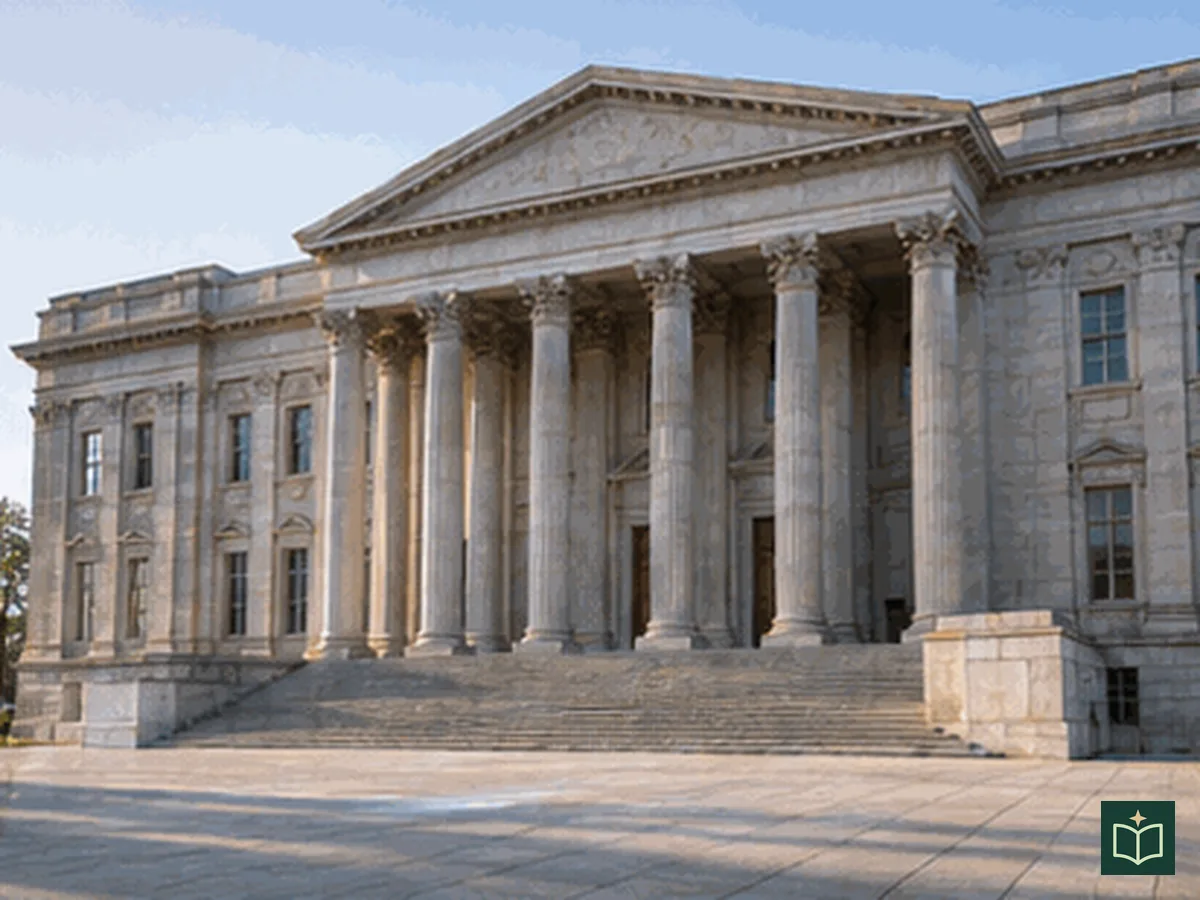
The League of Arab States was founded in Cairo on 22 March 1945 by seven states: Egypt, Iraq, Transjordan (later Jordan), Lebanon, Saudi Arabia, Syria and Yemen. It was one of the earliest regional organisations of the post-war era, established months before the United Nations. Its founding pact aimed to strengthen ties among members, coordinate their policies and safeguard their independence and sovereignty. Membership grew as more Arab states became independent. Kuwait joined in 1961, and the UAE joined in 1971, the year of its formation, as did Bahrain, Qatar and Oman. Comoros, which joined in 1993, was the most recent of the League's 22 members.
Headquarters and leadership
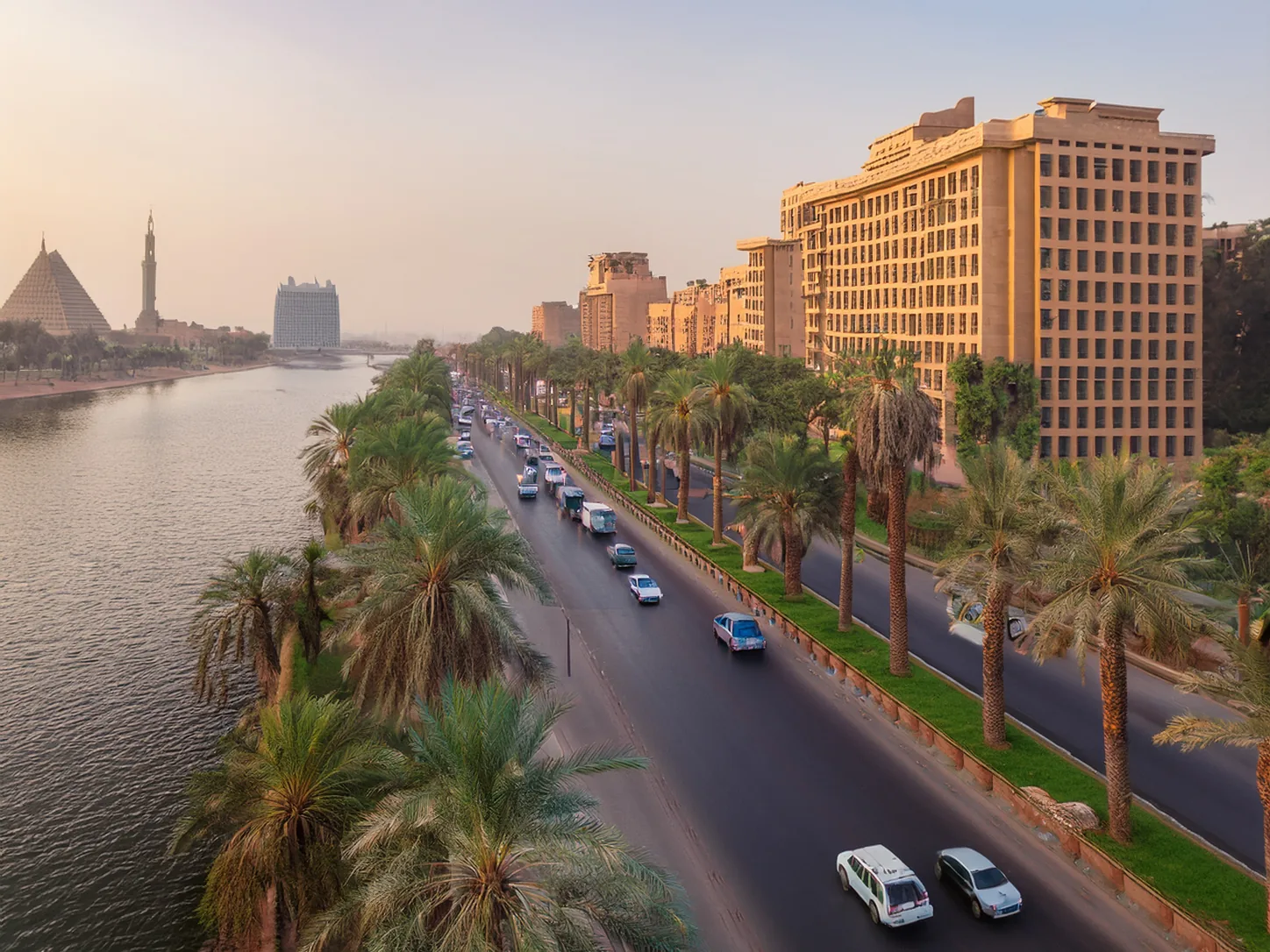
The League's headquarters are in Cairo, and the Secretary-General has almost always been Egyptian. The main exception came after Egypt signed its 1979 peace treaty with Israel: other members suspended Egypt's membership and moved the headquarters to Tunis, where a Tunisian diplomat served as Secretary-General. Egypt was readmitted in 1989, and the headquarters returned to Cairo in 1990. The Secretary-General is appointed by the League Council for a five-year renewable term and leads the General Secretariat, which prepares meetings, follows up decisions and represents the League internationally, including at the United Nations, where it has held observer status since 1950.
How the council votes
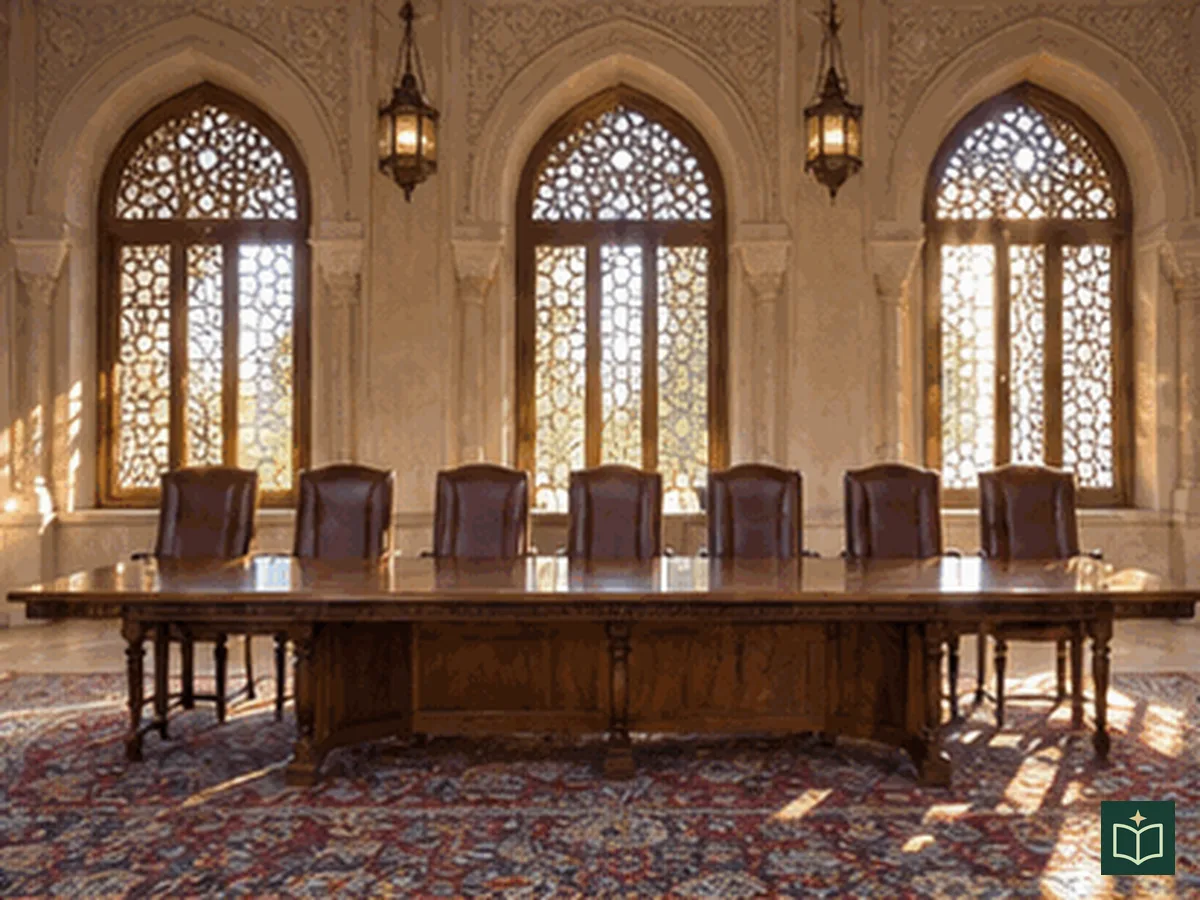
The League Council, made up of representatives of all member states, is the main decision-making body. It meets regularly at the level of foreign ministers and, at summits, heads of state. Each member has one vote. Under the pact, decisions taken unanimously bind all members, while decisions taken by majority bind only those states that accept them. This rule protects sovereignty but limits the League's ability to act decisively when members disagree. The Council can also suspend members. Syria's participation was suspended in 2011 during its civil war and restored in 2023. Annual summits of leaders have been held regularly since 2001.
Security and economic cooperation
In 1950 members signed a Treaty of Joint Defence and Economic Cooperation, which provides for collective defence and set up bodies such as an Economic Council. In practice, joint military action through the League has been rare, and members have pursued their own security arrangements, including the Gulf Cooperation Council for Gulf states. On the economic side, the Greater Arab Free Trade Area, launched in 1997, gradually removed tariffs on most goods traded among participating members. The League also adopted the Arab Peace Initiative at its Beirut summit in 2002, offering a framework for normal relations with Israel in return for a negotiated settlement with the Palestinians.
Specialised organisations
Much of the League's day-to-day work is done by specialised organisations based in different capitals. The Arab League Educational, Cultural and Scientific Organization, known as ALECSO, is based in Tunis and works on education, culture and the Arabic language. The Arab Monetary Fund, headquartered in Abu Dhabi since its creation in the 1970s, supports members' balance of payments, financial markets and economic statistics. The Arab Labour Organization, the Arab Organization for Agricultural Development and bodies covering telecommunications, civil aviation and standards cover other fields. These agencies often produce the League's most practical outputs, from statistical reports to regional technical standards.
Reading the League today
The Arab League is sometimes judged by whether it can resolve regional crises, a standard few regional bodies meet. Its structure, built around consensus and sovereignty, means it works best as a forum for coordination, joint positions and technical cooperation. Summit declarations show where members agree, while silences reveal divisions. For Gulf states, the League sits alongside the GCC and other groupings as one of several channels for diplomacy. Watching who attends summits, at what level, and which initiatives receive funding offers a clearer picture of its influence than the formal wording of resolutions, which often reflects the lowest common denominator among 22 diverse members.
Sources & further reading
Figures are rounded and widely published; check the linked organisations for the latest editions. These organisations do not endorse this website.