What the label is for
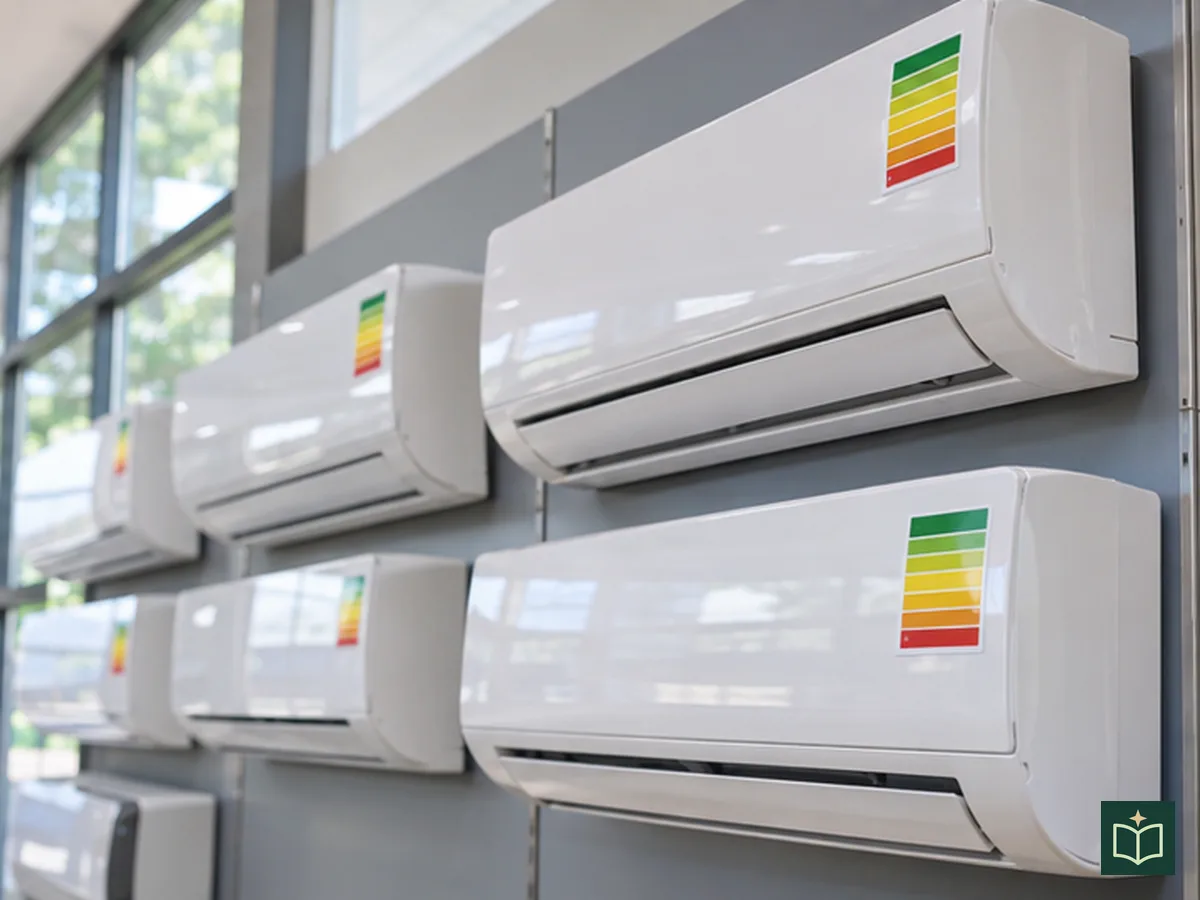
Two air conditioners can look identical, cost similar amounts and cool a room equally well, yet one may use a quarter more electricity every hour it runs. Energy labels exist to make that hidden difference visible at the moment of purchase. Governments set a common test, require manufacturers to publish the result in a standard format and often ban the least efficient products altogether. The UAE uses a star rating from one to five for products including air conditioners, refrigerators, washing machines and water heaters, administered today by the Ministry of Industry and Advanced Technology. The European Union uses letters from A to G, and the United States uses a yellow EnergyGuide label plus a voluntary Energy Star mark for top performers.
What is actually measured
Each label boils a test down to one or two numbers. For an air conditioner, the key figure is efficiency: how much cooling it delivers for each unit of electricity, often expressed as an energy efficiency ratio. For a refrigerator, it is the electricity used per year at a set room temperature with the doors closed. Washing machines are measured per cycle with a standard load, and lamps by light output per watt. The star or letter band is then assigned by comparing that number with thresholds in the national standard. Bands are tightened over time as technology improves, which is why the EU rescaled its labels in 2021, and why an older top-rated product may not match a new one.
How the testing works
To be comparable, every product must be tested the same way. Laboratories place units in climate-controlled chambers, hold temperature and humidity steady, and log power use with precise meters. Air conditioners sold in hot countries need extra care, because efficiency falls as outdoor temperatures rise. Gulf standards therefore include testing at very hot outdoor conditions rather than only the milder temperatures used in Europe or North America. Regulators also check products already on shop shelves, since a label is only as useful as its accuracy. Real homes differ from the laboratory: doors open, filters clog and thermostats are set lower, so a label is best read as a fair comparison between models rather than an exact forecast of your bill.
Turning stars into dirhams
The arithmetic is straightforward. Suppose a split air conditioner draws 2 kilowatts and runs 10 hours a day for 300 days a year. It uses 2 × 10 × 300, or 6,000 kilowatt-hours. At an illustrative tariff of AED 0.30 per kilowatt-hour, that costs about AED 1,800 a year. A higher-rated model that uses 25 per cent less electricity for the same cooling would consume 4,500 kilowatt-hours and save around AED 450 a year, or AED 4,500 over a ten-year life. A refrigerator labelled at 350 kilowatt-hours a year would cost about AED 105 a year at the same rate. Using your own tariff and hours gives a better estimate.
Common misreadings
More stars do not mean more power or better cooling capacity: they mean less electricity for the same job. A five-star unit that is too small for a room may run flat out all day and use more energy than a correctly sized lower-rated model. Labels also compare products within a category, so a large five-star refrigerator can still use more than a small three-star one. Size, real usage and settings matter as much as the rating. Finally, the purchase price and the running cost should be weighed together. This is general information rather than buying advice, but it is the reason the label exists: the sticker price is paid once, while the electricity is paid every month.
Why labels matter beyond the home
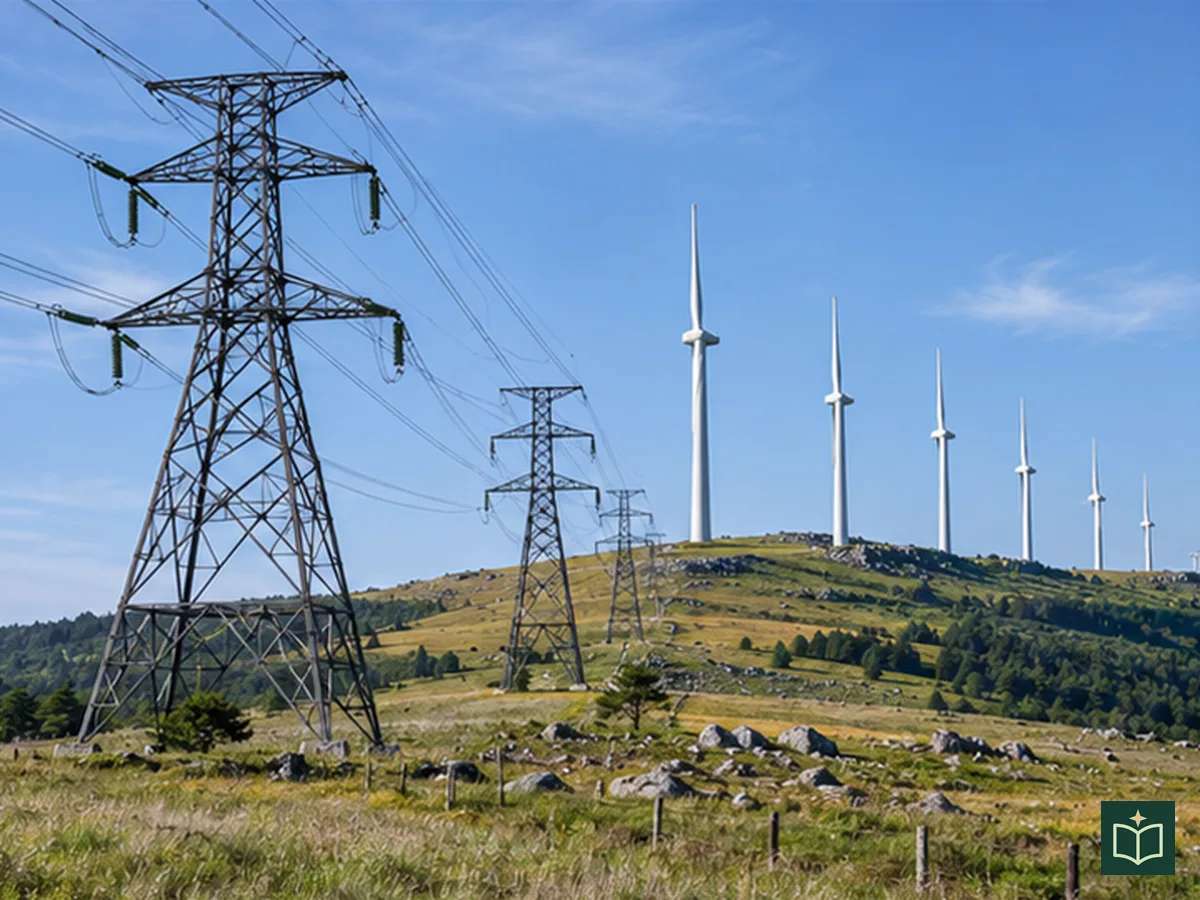
Appliance standards and labels are among the cheapest energy policies governments use. In hot countries, air conditioning can account for the majority of household electricity and drives the summer peak that power systems must be built to meet. Every efficient unit sold trims that peak for a decade or more. Minimum standards remove the worst products from the market entirely, while labels encourage buyers to move up the scale, and manufacturers respond by redesigning compressors, insulation and controls. Over time the bands are tightened again, ratcheting the whole market upwards. Watching how often thresholds are revised, and whether real-world use matches the lab, shows how well a labelling scheme is working.
Sources & further reading
- Energy Star · Official site ↗
- IEA · Space cooling ↗
- UAE Ministry of Industry and Advanced Technology ↗
Figures are rounded and widely published; check the linked organisations for the latest editions. These organisations do not endorse this website.