A twentieth-century miracle
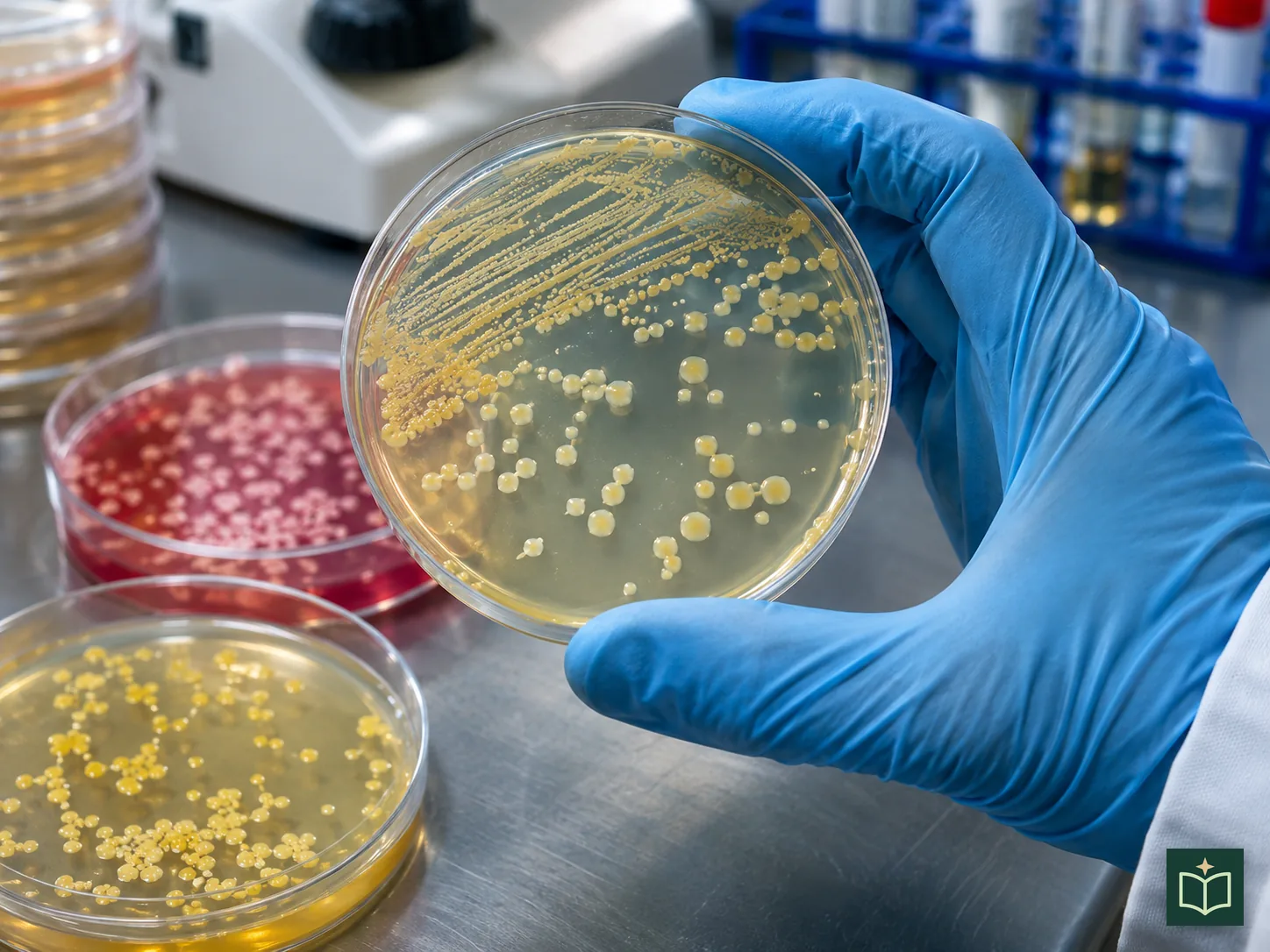
Alexander Fleming noticed in 1928 that a mould, Penicillium, stopped bacteria from growing. Penicillin became widely used in the 1940s, and antibiotics went on to make surgery, childbirth and cancer treatment far safer. Infections that were once often fatal—pneumonia, infected wounds, tuberculosis—became treatable. Fleming himself warned that misuse could breed resistance.
How resistance works
Bacteria divide quickly, sometimes every 20 minutes, and random mutations arise constantly. Some mutations let a bacterium pump a drug out, break it down, or change the target it attacks. When an antibiotic is used, susceptible bacteria die and the resistant ones survive to multiply. Bacteria can also swap resistance genes directly, through small loops of DNA called plasmids.
What speeds it up
Resistance accelerates when antibiotics are used unnecessarily—for example against viral infections such as colds, which antibiotics cannot treat—or when courses are not taken as prescribed. Heavy use in livestock, poor sanitation and infection control in hospitals, and limited access to diagnostic tests in many countries also contribute.
A shared problem
A major global study estimated that in 2019, about 1.27 million deaths were directly caused by bacterial antimicrobial resistance. The World Health Organization ranks it among the top global public health threats. Responses include careful prescribing, vaccination to prevent infections in the first place, better hygiene, surveillance and incentives to develop new antibiotics.
Sources & further reading
- WHO · Antimicrobial resistance fact sheet ↗
- The Lancet · Global burden of bacterial antimicrobial resistance in 2019 ↗
Figures are rounded and widely published; check the linked organisations for the latest editions. These organisations do not endorse this website.