
Luxury,
rewritten.
A grand silhouette. A private lounge. An electric heart.
JAC’s flagship, co-developed with Huawei. A closer look at the design—and the machinery behind it.
Canvas of Knowledge · 16 November 2026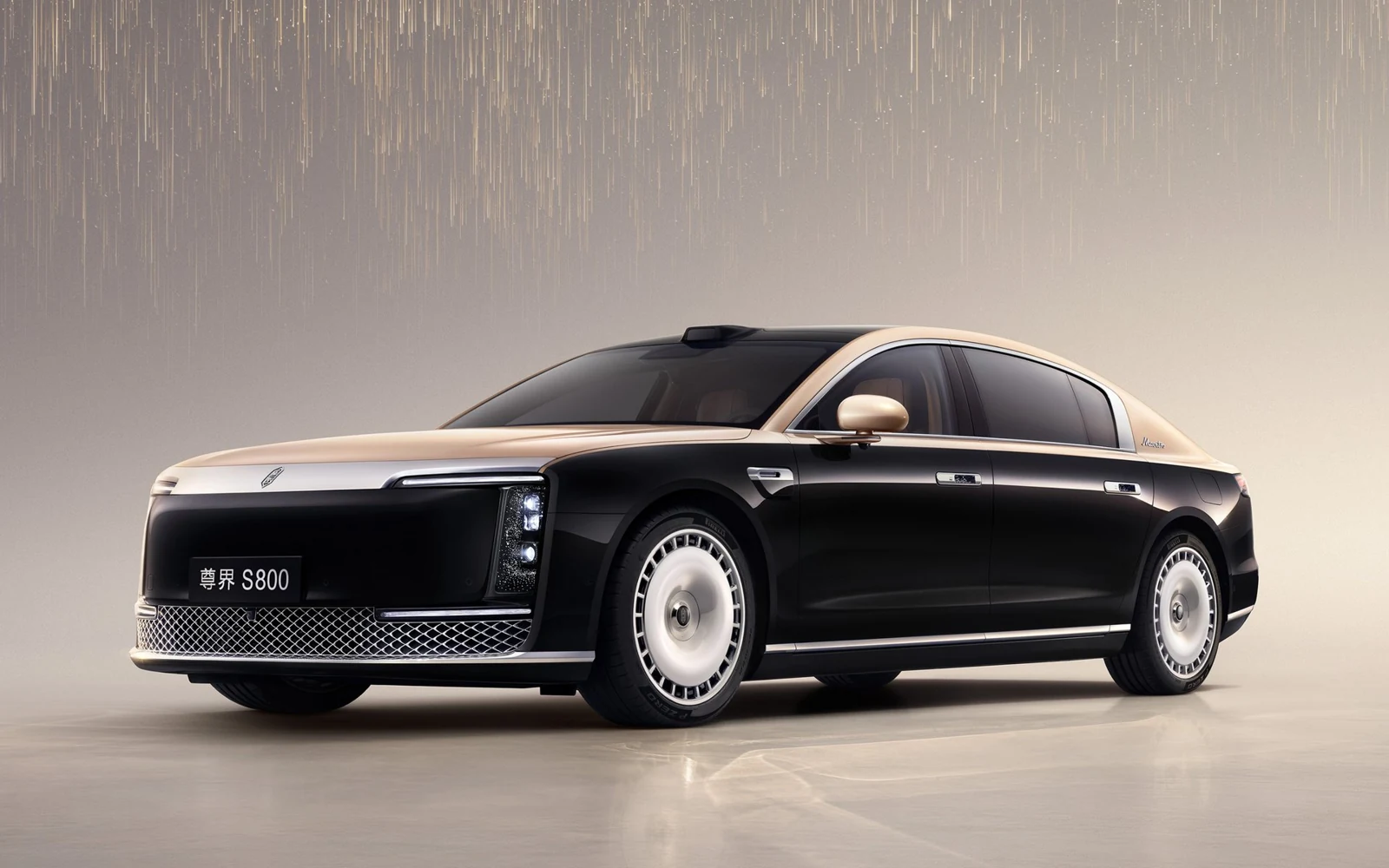
Presence is
a matter of proportion.
The S800’s appeal begins with its horizontal lines, substantial body and restrained two-tone palette. Look closer and the mood changes: intricate lighting, bright metal and richly finished surfaces supply the theatre.
This is our reading of the design, rather than a road-test verdict. Maextro is a JAC–Huawei collaboration within the HIMA ecosystem; calling it simply a “Huawei car” leaves the manufacturing partnership out of the picture. [3]
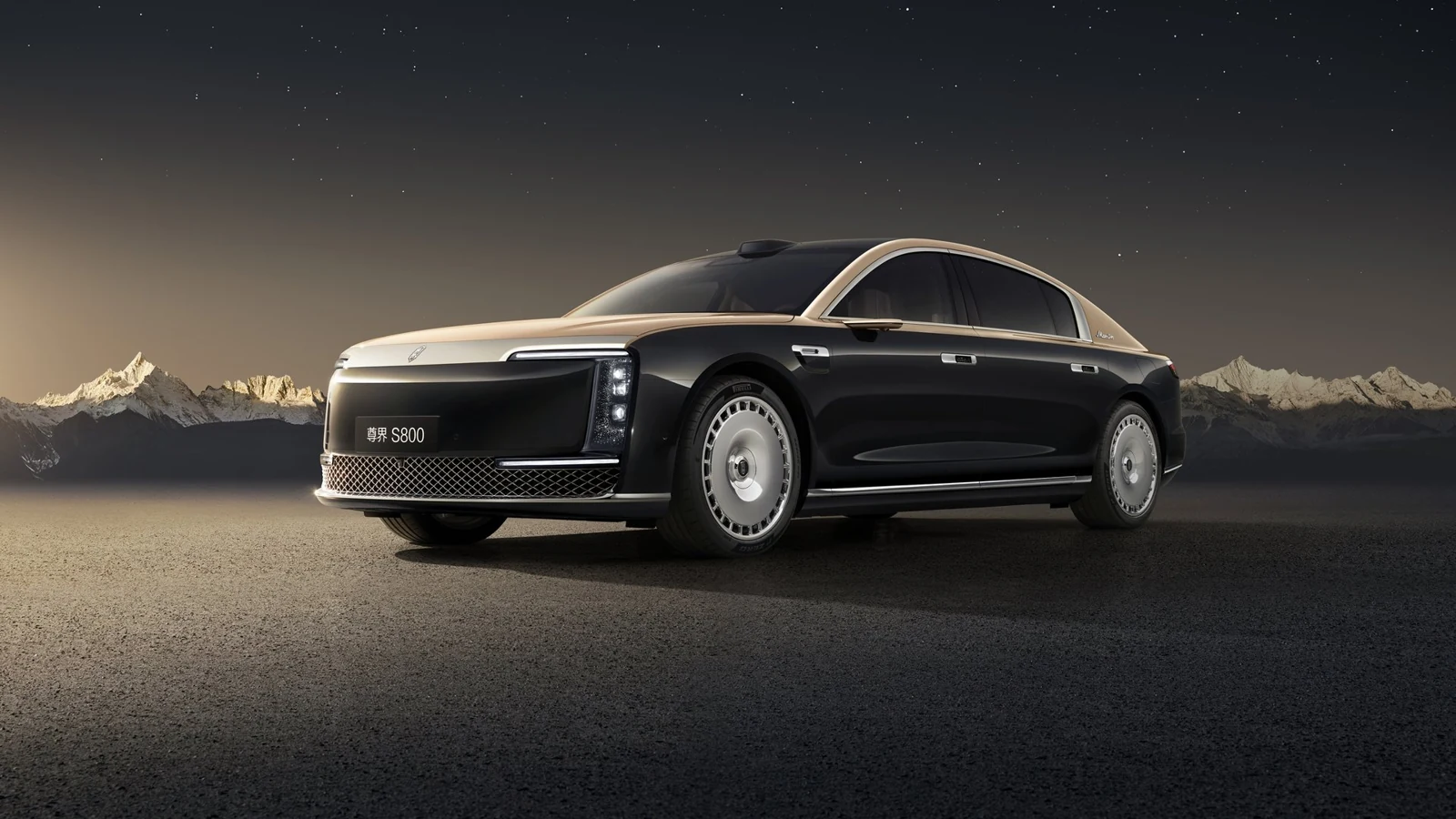
The journey.
Reimagined as a room.
 View image
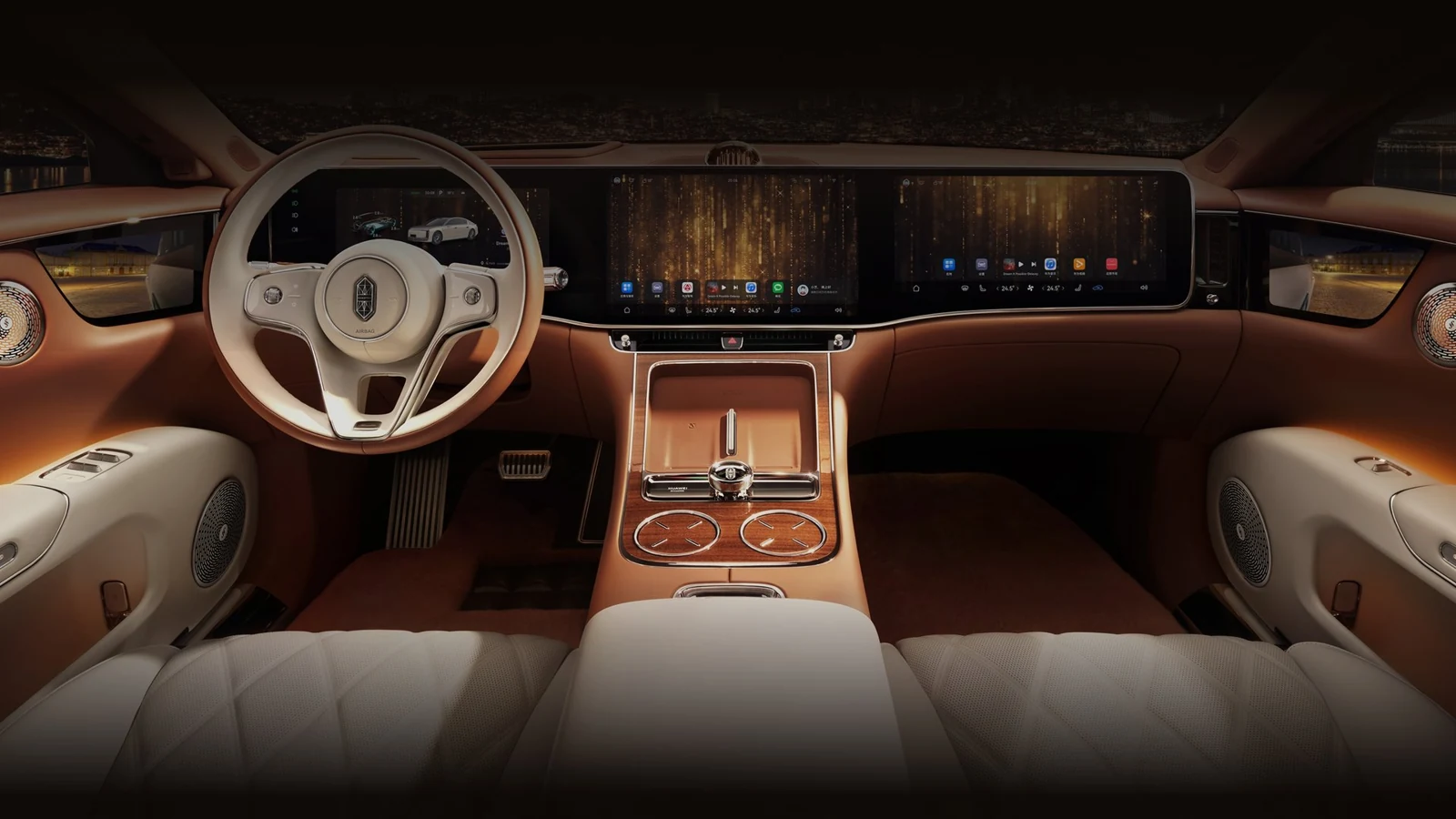
The driver’s architecture
A broad display arrangement sits above warm trim and physical controls. The visual contrast is deliberate: digital information, tactile surroundings.
Product imagery and seat rendering: Maextro / HIMA. [1]Room to recline
HIMA quotes this maximum angle for its ActiveSafe reclining seat. Available equipment varies by trim.
A carefully placed soundscape
The advertised HUAWEI SOUND ULTIMATE system uses 43 speaker units, including headrest audio.
Luxury beyond a screen
Leather, wood, ambient light and acoustic glazing contribute to the cabin’s material character. [1]
The heart of it
is electric.
The S800 comes as a battery-electric car or a range-extended electric vehicle. In the latter, a petrol engine supplies a generator; electric motors drive the wheels. The engine and the drive motors have different jobs. [2][4]
That separation is the interesting engineering story. A battery can deliver a short burst of power beyond the generator’s continuous output. Generator power, motor power and stored battery energy therefore describe different capabilities.
No combustion engine
Plug-in electricity is stored in the traction battery. Power electronics control the motors, which turn the wheels. There is no fuel tank or range-extender engine in this version.
Simplified energy-flow diagram; not an assembly drawing. Regenerative braking can return energy to the battery.
- Battery capacity
- 97 kWh
- Electric range · CLTC
- 670 km
- 0–100 km/h
- 4.3 s
- 10–80% DC charging
- 12 min
China-market five-seat configurations in HIMA’s specification table, checked 16 November 2026. Manufacturer claims: CLTC is a test cycle, not a promised road range. Charging requires suitable equipment and conditions. Four-seat and optional configurations differ. [2]
Compare all three powertrains
| Specification | Battery electric | Range extended · dual | Range extended · triple |
|---|---|---|---|
| Battery | 97 kWh | 65 kWh | 65 kWh |
| Drive layout | 2 motors · AWD | 2 motors · AWD | 3 motors · AWD |
| Motor rating · front / rear total | 160 / 230 kW | 160 / 230 kW | 160 / 475 kW |
| Battery-only range · CLTC | 670 km | 400 km | 365 km |
| Energy / combined range | No petrol engine | 1,333 km combined · CLTC | 1,200 km combined · CLTC |
| 0–100 km/h | 4.3 s | 4.9 s | 4.6 s |
| Claimed DC charge · 10–80% | 12 min | 10.5 min | 10.5 min |
| Range-extender engine | No combustion engine | 1.5-litre turbo · four cylinders | 1.5-litre turbo · four cylinders |
Motor values list the front rating and combined rear rating separately. The fastest acceleration figure belongs to the battery-electric configuration shown here; the largest motor rating does not automatically mean the quickest vehicle.
kW tells you how fast.
kWh tells you how much.
Think of power as the rate of energy delivery and battery capacity as the amount stored. The range extender’s advertised maximum electrical generation is 80 kW. That is not the car’s total traction-motor output. [1]
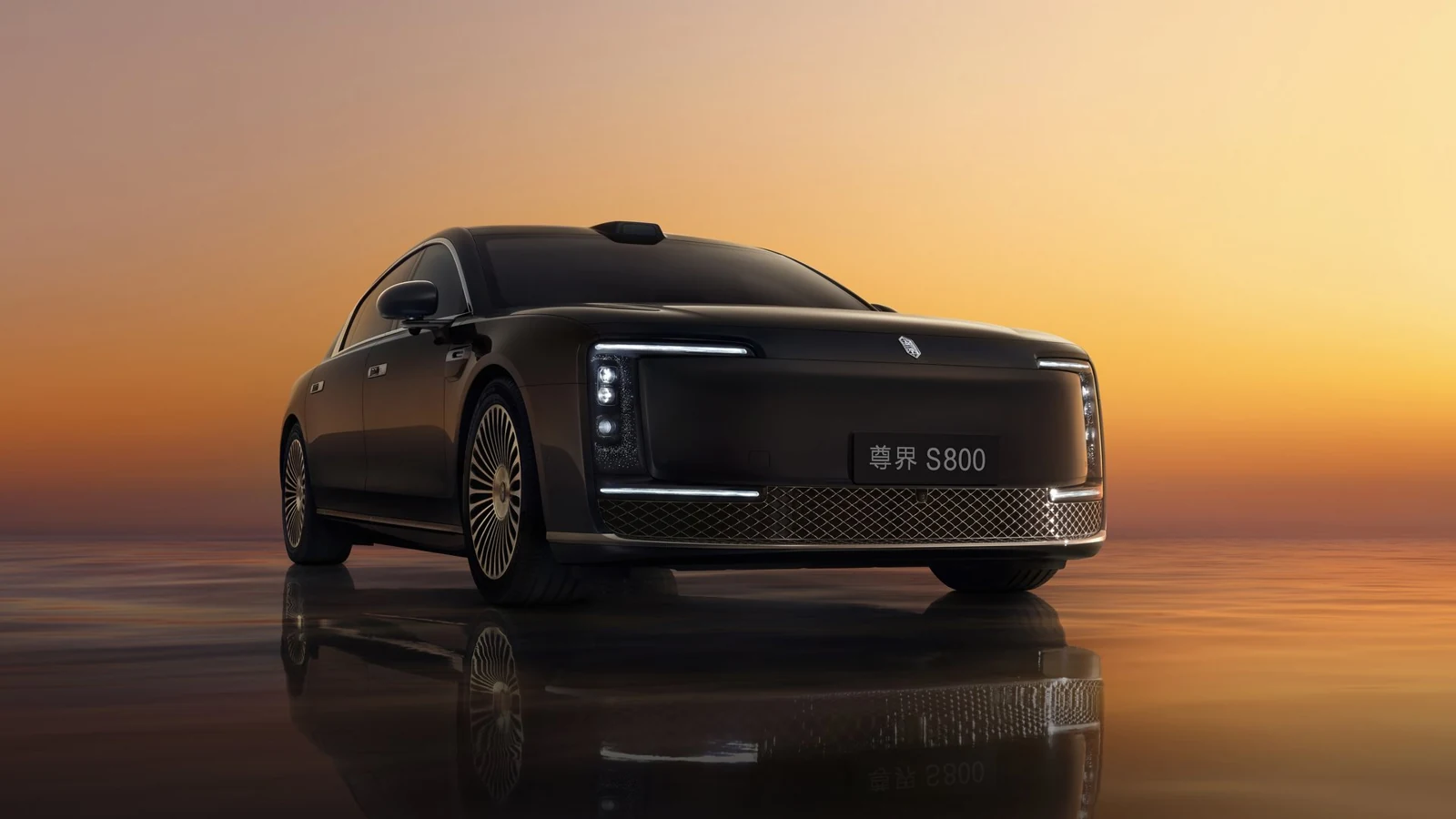
Size, with
a lighter touch.
The specification lists 12° rear-wheel steering, dual-chamber air suspension and variable dampers. Steering helps manoeuvrability; suspension manages body movement. Their combined purpose is control as well as comfort. [2]
Huawei’s ADS is driver assistance. The driver must supervise; its presence does not make the S800 a driverless vehicle. Features depend on hardware, software and market. [1]
A new voice in
the luxury conversation.
Our editorial comparison is with flagship luxury saloons, especially those that make the rear seat a destination. These are useful reference points, not an assertion that the cars are equal in price, refinement or ownership support.
Mercedes-Maybach
S-Class
A natural comparison for rear-seat comfort, craftsmanship and the sense of occasion.
Explore the manufacturer’s model THE ELECTRIC-LUXURY REFERENCEBMW i7
A useful comparison for an electric flagship that combines a digital cabin with executive comfort.
Explore BMW’s electric rangeThis is a design and technology explainer, not an independently measured road test or a UAE availability claim.
Look closer.
Follow the sources.
Written and checked 16 November 2026. Scope: the S800 range on the linked HIMA pages, not the separate Grand Design edition.
Images are official Maextro / HIMA product media, including promotional renderings. No AI-generated vehicle images are used in this feature. Respective owners retain their rights; inclusion does not imply endorsement.
- HIMA · S800 design, cabin and platformOfficial imagery, comfort features and product claims.
- HIMA · S800 configuration tableTrim-specific powertrain, dimensions and chassis data. Chinese-language source.
- JAC Motors · Company historyThe JAC–Huawei collaboration and S800 launch.
- U.S. Department of Energy · Plug-in hybrid architecturesHow series hybrids use electricity to propel the wheels.