A plug, not a promise
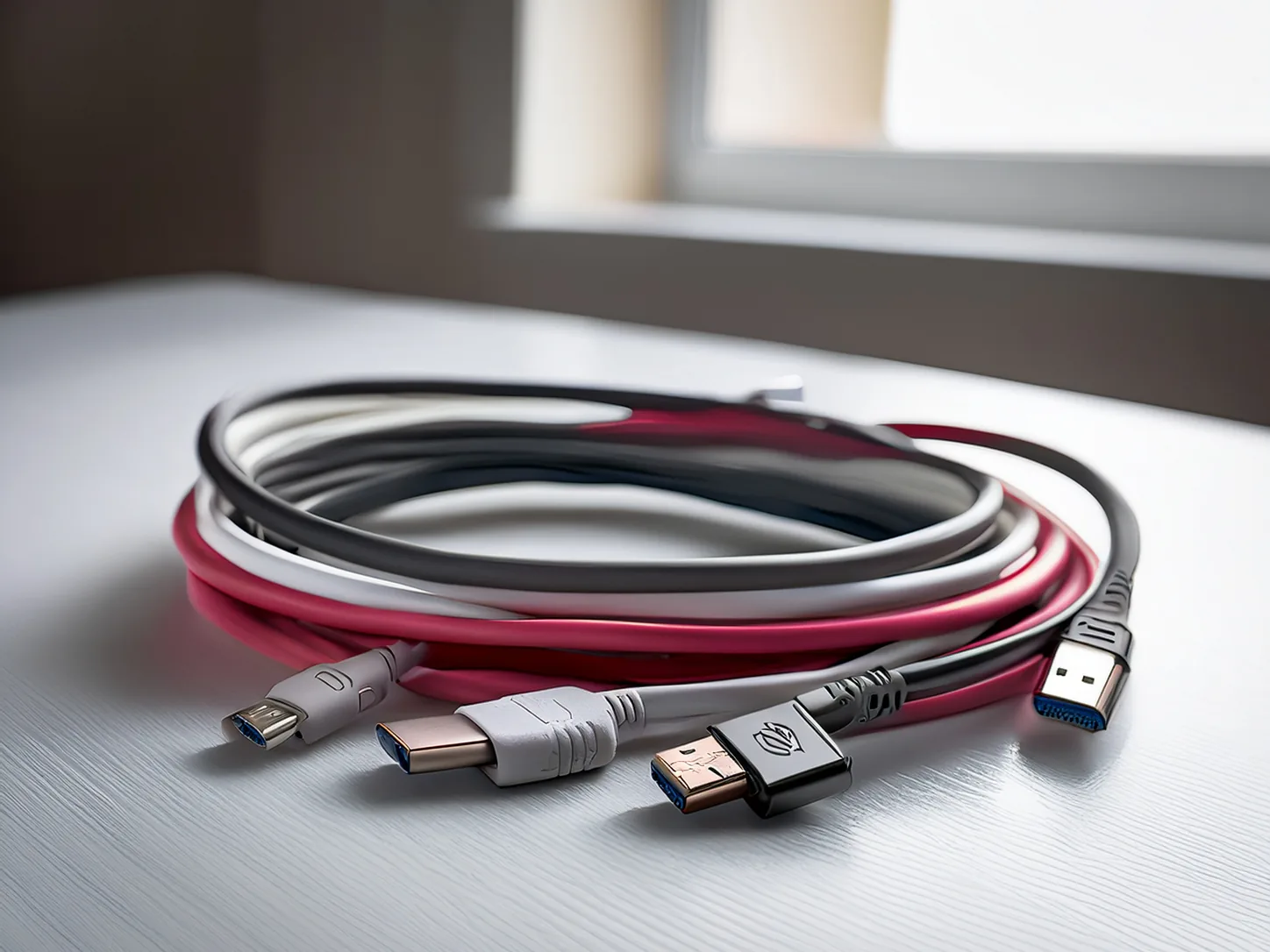
USB-C is a connector shape: small, oval and reversible, so it fits either way up. It was published in 2014, and it has since replaced a tangle of older plugs on phones, laptops, tablets and accessories. The European Union made it the required charging port for new phones and many other devices from the end of 2024. But USB-C describes only the shape of the plug and socket. What happens through it is governed by separate standards for power and data. Two cables with identical ends can differ as much as a garden hose differs from a fire hose. That is why one cable charges a laptop briskly while another barely keeps it alive.
How charging power is agreed
Electrical power is voltage multiplied by current. Plain USB once supplied 5 volts at modest current, enough for a phone. USB Power Delivery, or PD, lets charger and device negotiate higher voltages. A standard USB-C cable is rated for 3 amps, so at 20 volts it can carry 60 watts. Cables rated for 5 amps contain a small chip, called an e-marker, that tells the charger it is safe to push more; at 20 volts that allows 100 watts. Since 2021, an extended range permits up to 48 volts, and 48 volts at 5 amps gives 240 watts, enough for large laptops. If any component cannot handle a level, the negotiation settles lower.
Why data speeds vary so much
Data is a separate story. The slowest USB-C cables contain only the wires needed for USB 2.0, which tops out at 480 megabits a second, fine for charging and syncing a phone but slow for copying video. Faster cables add extra pairs of shielded wires for USB 3 speeds of 5, 10 or 20 gigabits a second. USB4 reaches 40 gigabits, and its second version 80 gigabits, enough to run high-resolution monitors and external drives. Thunderbolt, developed by Intel and now built on USB4, uses the same connector. Fast, long cables are harder to make, which is why many high-speed cables are short or contain chips to boost the signal.
Reading the labels
The organisation that manages USB, the USB Implementers Forum, has simplified its branding after years of confusing version numbers. Certified cables and packaging now show two numbers: the maximum power in watts, such as 60W or 240W, and the data speed in gigabits per second, such as 40Gbps. A cable marked only with power is usually a charging cable with basic USB 2.0 data. Thunderbolt cables carry a lightning-bolt symbol. Cheap unbranded cables often carry no reliable rating at all. When buying, match the cable to the job: a 240-watt cable for a powerful laptop, a 40 or 80 gigabit cable for a fast drive or monitor dock.
The weakest link decides
Charging speed depends on the whole chain: charger, cable and device. A 100-watt laptop charger connected through a 60-watt cable delivers no more than 60 watts. A phone that accepts only 25 watts will take only that, even from a 240-watt charger, because the phone asks for what it can handle. This negotiation is also a safety feature: a properly made device should never be pushed beyond its rating. The real risks come from counterfeit or badly made cables and chargers that misreport their ability or lack proper protection. In hot conditions, such as a parked car in a Gulf summer, devices may also slow charging deliberately to protect their batteries.
Why one plug still helps
It is tempting to see USB-C's variety as a failure, but a shared connector has clear benefits. One charger can serve a phone, earbuds and a laptop. Travellers carry fewer cables, and less electronic waste is created when chargers no longer need replacing with every new device. The confusion comes from asking one connector to serve both a cheap earbud and a professional video workstation. The practical solution is simple: keep one or two well-rated cables for demanding jobs, label them if necessary, and treat unmarked cables as basic charging leads. Over time, clearer labelling and the retirement of older, slower cables should make the differences matter less.
Sources & further reading
Figures are rounded and widely published; check the linked organisations for the latest editions. These organisations do not endorse this website.