Floating and fixed
Most major currencies, such as the euro, yen and British pound, float: their value is set in markets. Others are pegged. The UAE dirham has been pegged to the US dollar at about 3.6725 since 1997. Hong Kong, Saudi Arabia and several other economies also peg to the dollar. A peg trades exchange-rate flexibility for stability.
Interest rates and capital
Investors move money towards higher returns. If one country’s interest rates rise relative to another’s, its currency can become more attractive, all else equal. But expectations matter: markets often move before central banks act. Political risk and economic outlook also influence where investors are willing to keep their money.
Inflation over the long run
Over long periods, currencies of countries with persistently higher inflation tend to weaken against those with lower inflation, an idea known as purchasing power parity. Over short periods, however, exchange rates can deviate a lot from this, driven by news, flows and sentiment.
Why it matters to you
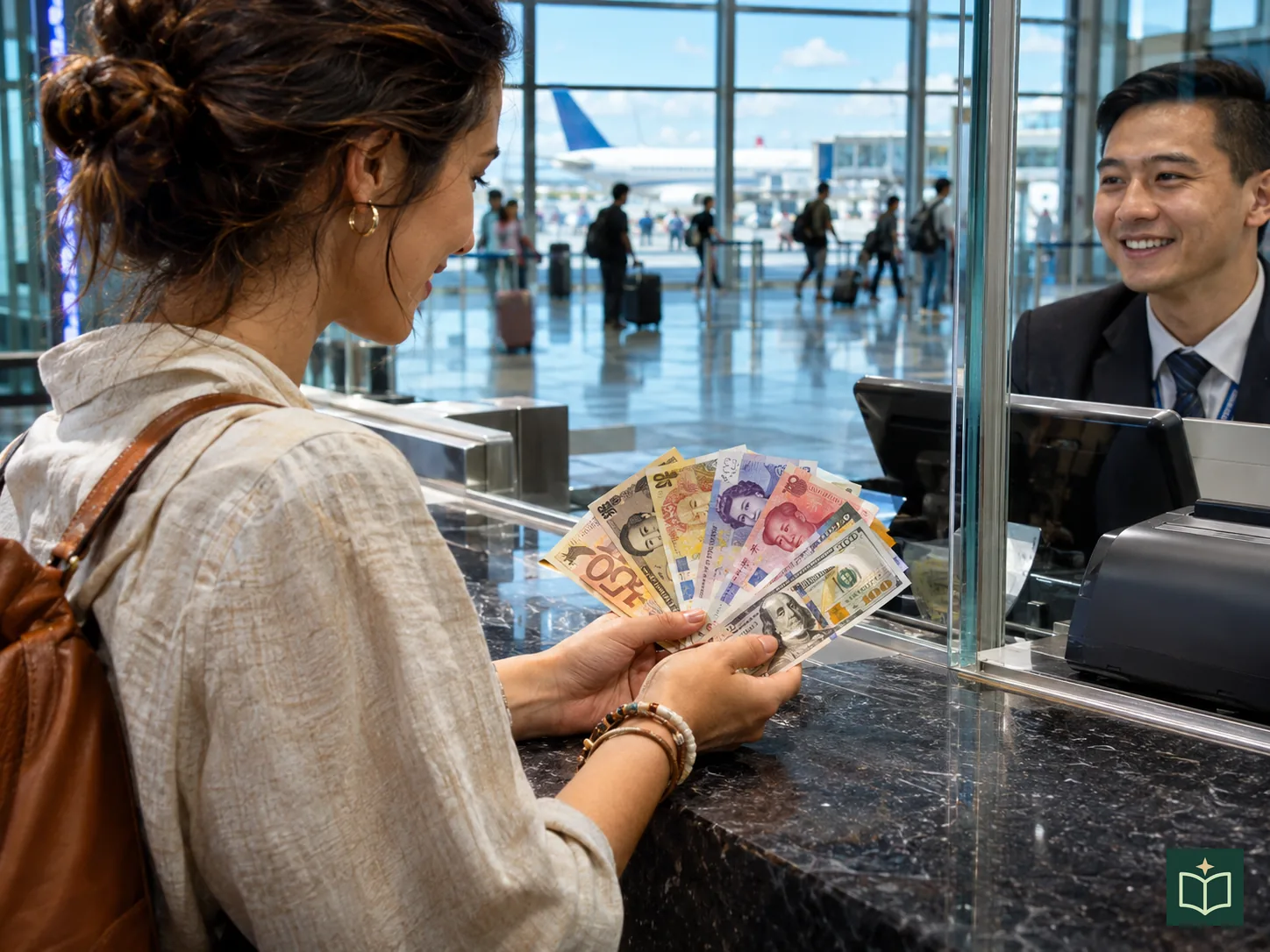
Exchange rates affect the price of imported goods, the cost of travel and the value of money sent abroad. A family in Dubai sending money to India, Pakistan or the Philippines sees each dirham buy more or less depending on the rupee or peso. Companies with costs in one currency and sales in another often hedge to reduce the risk.
Sources & further reading
Figures are rounded and widely published; check the linked organisations for the latest editions. These organisations do not endorse this website.