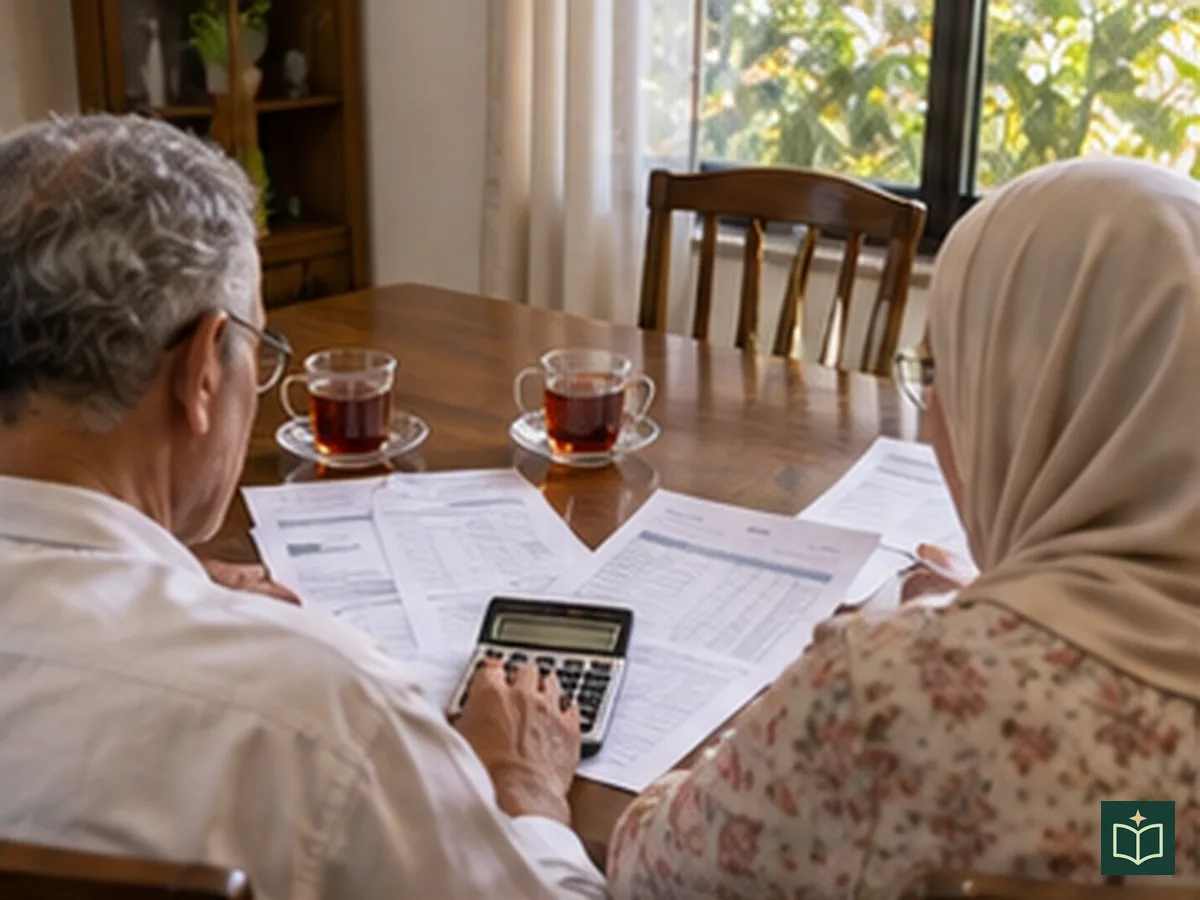
Defining the downturn
Many people use the shorthand of two consecutive quarters of falling real GDP. In the United States, the National Bureau of Economic Research instead defines a recession as a significant decline in activity spread across the economy, lasting more than a few months, and looks at jobs, income, spending and production. It often announces dates long after the fact.
Common causes
Recessions can follow sharp interest-rate rises meant to curb inflation, financial crises that freeze lending (as in 2008–09), collapses in asset prices, or sudden shocks like the COVID-19 pandemic in 2020. Falling confidence can become self-reinforcing: when households and businesses cut back, others’ incomes fall too.
Who feels it
Unemployment typically rises, and people in cyclical industries such as construction, manufacturing and hospitality are often hit hardest. Company profits fall, and share prices may decline, though markets often anticipate recessions and can start to recover before the economy does. Government tax revenues fall while spending on support rises.
Policy responses
Central banks may cut interest rates, and governments may increase spending or cut taxes to support demand—so-called automatic stabilisers like unemployment benefits kick in on their own. Recessions are a normal, if painful, part of the business cycle. Economies have historically recovered, though the speed of recovery varies widely.
Sources & further reading
Figures are rounded and widely published; check the linked organisations for the latest editions. These organisations do not endorse this website.