Computers you do not notice
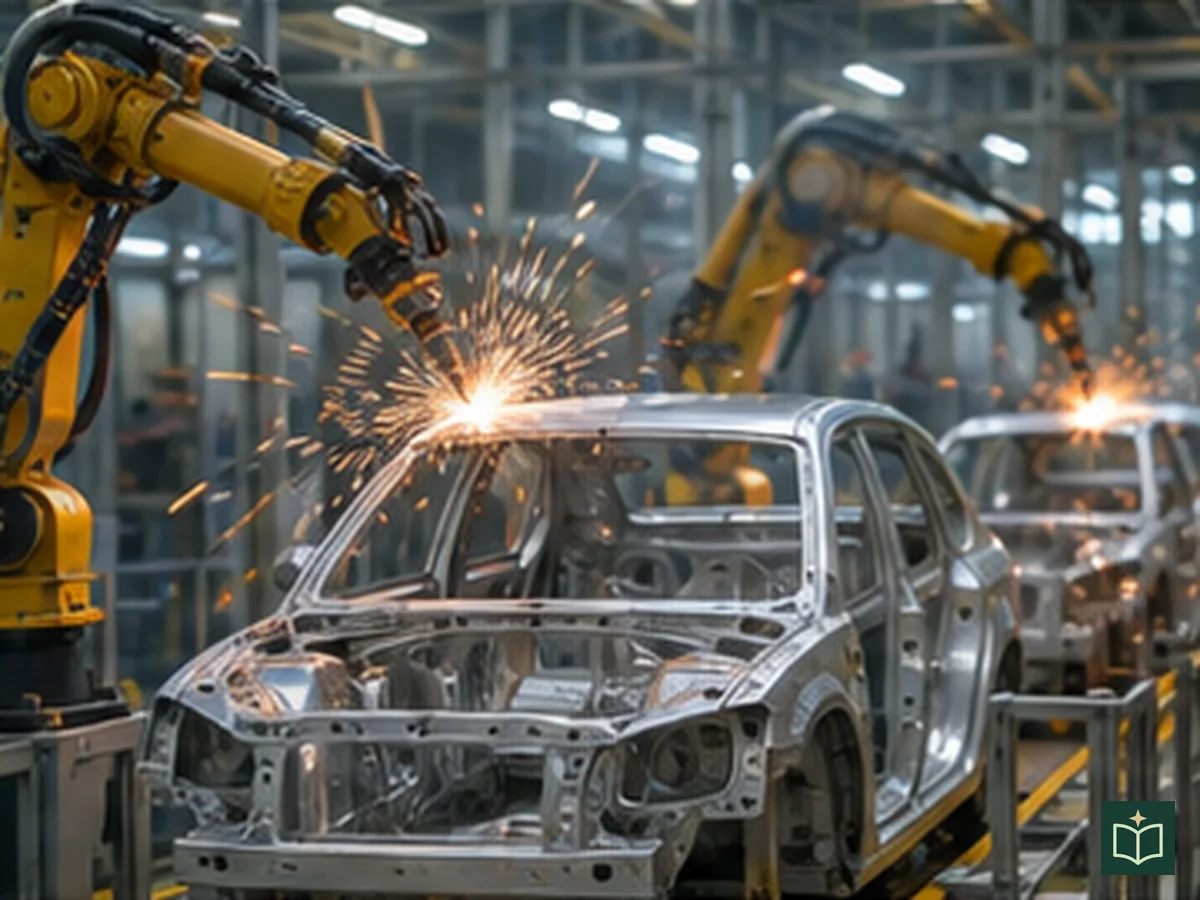
The Internet of Things, usually shortened to IoT, describes physical objects fitted with sensors, a small processor and a network connection. Unlike laptops and phones, they are not general-purpose computers we sit in front of. They are thermostats, doorbells, electricity meters, streetlights, pumps, shipping containers, livestock tags and factory machines that quietly measure something and report it. Some also act on instructions, switching a light or closing a valve. Estimates of the number in use vary with definitions, but they run well into the billions, more than the number of people on Earth. Most are invisible, built into infrastructure and products rather than bought as gadgets.
How a connected device works
A typical device has four parts. A sensor turns a physical condition, such as temperature or vibration, into an electrical signal. A tiny, low-power processor called a microcontroller reads it and decides what to send. A radio carries the data, choosing from many technologies: Wi-Fi and Bluetooth for homes, Zigbee or Thread for low-power home networks, and long-range options such as LoRaWAN or narrowband mobile networks for meters and farm sensors, which may need to run for years on one battery. The data usually flows to a cloud platform, where software stores it, spots patterns and sends alerts. A phone app or control room dashboard closes the loop with people.
Meters, buildings and cities
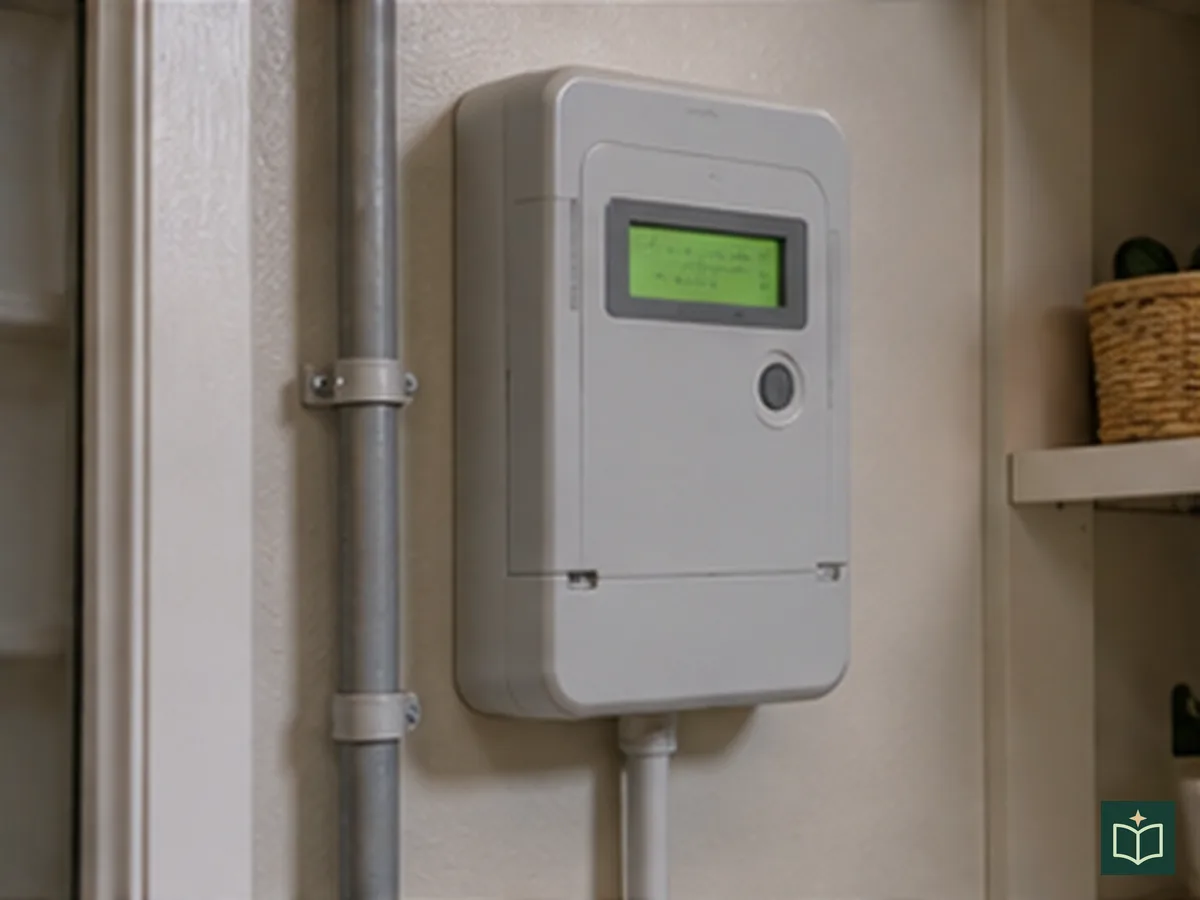
Utilities offer a clear example. Dubai's electricity and water authority has installed smart meters across the emirate, letting customers track consumption and the utility detect leaks and faults quickly without sending staff to read dials. A meter reporting every 15 minutes produces 96 readings a day, or 35,040 a year, showing exactly when consumption peaks. In buildings, sensors adjust cooling and lighting to occupancy, which matters where air conditioning dominates electricity use. Factories fit vibration sensors to motors to predict failures before they happen. Logistics firms track containers and refrigerated cargo across oceans, and farms in arid regions use soil moisture sensors to irrigate only when crops need water.
From a vending machine to a buzzword
The idea predates the name. In the early 1980s, students at Carnegie Mellon University connected a campus drinks machine to the network so they could check remotely whether it held cold drinks. In 1999 Kevin Ashton, working on supply chains with radio-frequency identification tags, coined the phrase 'Internet of Things'. Cheap sensors, low-power radios, smartphones and cloud computing made it practical during the 2010s. Early smart-home devices often worked only within one brand's ecosystem. A shared standard called Matter, launched in 2022 by a group of major technology companies, aims to let devices from different makers work together, though older equipment and competing systems remain common.
The security problem
Every connected object is a small computer, and many have been built with security as an afterthought. Devices shipped with default passwords that owners never change, rarely received software updates and stayed in service for years. In 2016 the Mirai malware exploited exactly that, hijacking hundreds of thousands of cameras and routers and using them to flood internet services with traffic, briefly disrupting major websites. Regulators have responded. Britain banned universal default passwords on consumer connected products from 2024, and other jurisdictions have introduced labelling or minimum standards. For households, the basics help: change default passwords, apply updates, buy from makers that promise support and put smart devices on a separate guest network.
Privacy and dependence
Connected devices collect intimate information: when you are home, what you watch, how you sleep, even conversations near a voice assistant. That data may be stored by manufacturers, shared with partners or exposed in breaches, so reading privacy settings matters. A further risk is dependence on the maker's cloud. When companies change strategy or close, some products lose features or stop working entirely, turning a working appliance into electronic waste. Systems that also work locally, without an internet connection, are more resilient. The Internet of Things can save energy, water and money at scale, but its benefits depend on careful design, long-term support and sensible choices by buyers.
Sources & further reading
Figures are rounded and widely published; check the linked organisations for the latest editions. These organisations do not endorse this website.