Leaving and staying are both instructions
During a disaster, officials have two broad options for protecting people: move them away from danger, or keep them inside and protected where they are. An evacuation order asks residents of a defined area to leave, usually by a stated time and often along designated routes. A shelter-in-place instruction asks people to go indoors immediately and stay there. Neither is always safer. Leaving is the right choice when buildings themselves are likely to be overwhelmed, as in floods, storm surges and fast-moving wildfires. Staying inside is often safer when the danger is in the air, such as a chemical release, or when travel would expose people to greater risk.
Mandatory and voluntary
Evacuation orders come in different strengths. A voluntary or recommended evacuation advises people to leave, and is often aimed first at those who need more time, such as older residents, people with medical needs and those in mobile homes or low-lying areas. A mandatory evacuation is a direct order to leave. In many places, including most of the United States, authorities rarely remove adults from their homes by force, but they may close roads, cut utilities and bar re-entry, and they may warn that emergency services will not be able to reach those who stay. The word mandatory signals that officials expect conditions to become life-threatening.
Zones and phases
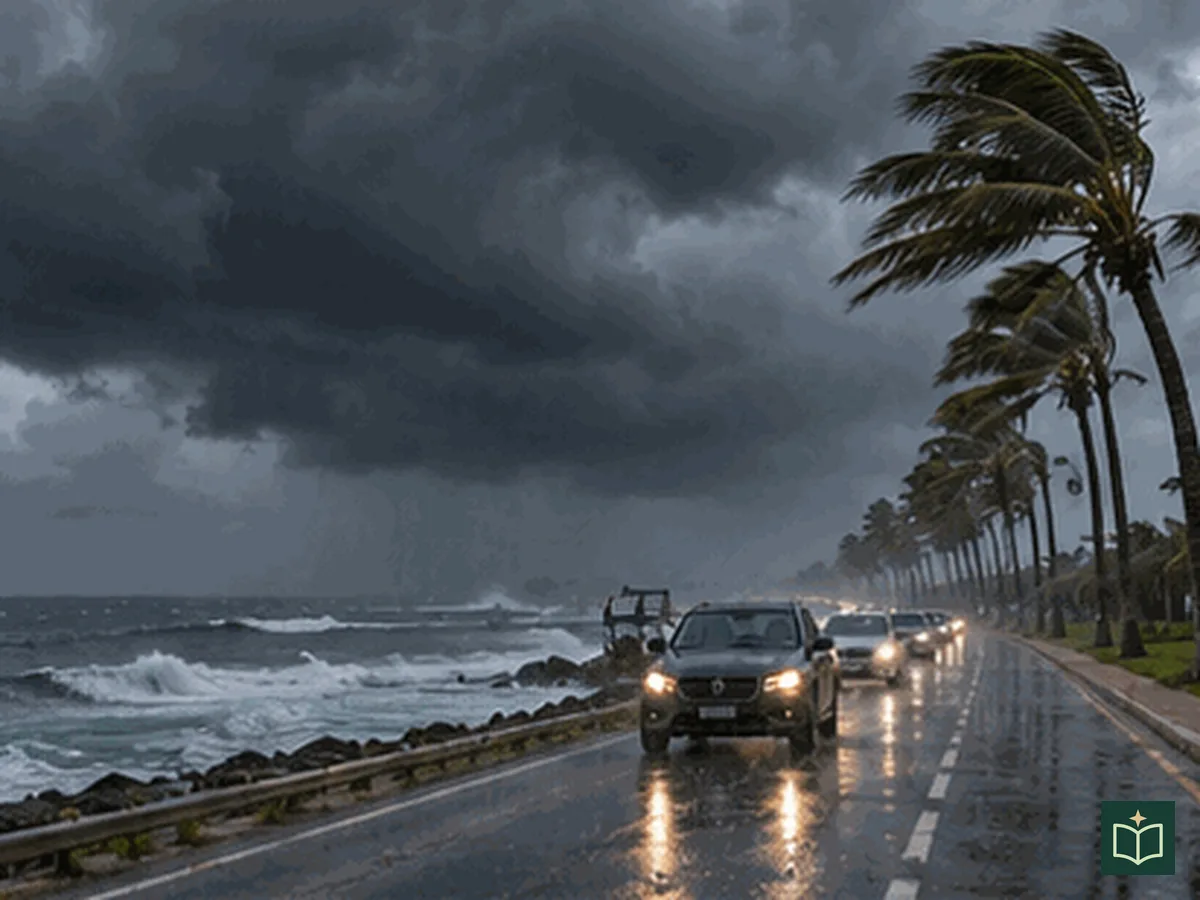
Large evacuations are usually phased. Coastal areas exposed to hurricanes and cyclones are divided into evacuation zones based on how far storm surge could reach, and officials call zones in sequence, starting with the most exposed. That avoids sending an entire region onto the roads at once. For hurricanes, American forecasters summarise the logic as 'run from water, hide from wind': people in surge zones should leave, while those outside them can often shelter in a sturdy home. When Cyclone Shaheen approached Oman in October 2021, authorities moved thousands of coastal residents into shelters, while the UAE issued alerts and precautionary measures for areas near the border.
Sheltering in place
A shelter-in-place instruction is most common for chemical, industrial or radiological incidents and for some severe storms. For an airborne hazard, it typically means going indoors, closing windows and doors, switching off air conditioning and ventilation that draws in outside air, and staying tuned for updates. Choosing an inner room with few windows adds protection. In schools and offices, related terms such as lockdown are used for security threats, with different procedures. Shelter-in-place instructions are usually short, lasting hours rather than days, because the airborne hazard tends to disperse. Officials then lift the instruction or, if conditions worsen, switch to an evacuation.
Why people stay
Many residents do not leave when told to. Common reasons include lack of transport or money, concern for pets or property, responsibility for relatives, distrust of earlier warnings that proved unnecessary and fear of traffic jams. Research after major disasters has repeatedly found that the people least able to evacuate are often those most at risk. Authorities respond with free transport, pet-friendly shelters and earlier, clearer messages. Gulf residents increasingly receive such instructions through emergency alerts on mobile phones, which can target a precise area. Following them promptly matters, because roads become dangerous once a storm arrives and rescue operations become harder and riskier.
Reading an order
When an evacuation or shelter instruction is issued, read the details rather than the headline. Check exactly which areas or zones are named, since neighbouring districts may receive different instructions. Note whether the evacuation is mandatory or voluntary, the deadline and any recommended routes and shelters. For a shelter-in-place instruction, note the hazard and how long it is expected to last. Prepare a small bag with documents, medicines, chargers and water in advance of the storm season. Follow only official sources, such as police, civil defence and meteorological services. Do not return home until authorities announce that it is safe, as damaged roads and flooding often remain afterwards.
Sources & further reading
Figures are rounded and widely published; check the linked organisations for the latest editions. These organisations do not endorse this website.