How caps work
A regulator estimates the costs of supplying energy, including wholesale prices, network charges and a margin, and sets a maximum price. Suppliers can charge less but not more for covered tariffs.
During crises
When wholesale prices soared in 2022, many European governments capped or subsidised bills. Some, like the UK, combined regulator caps with government guarantees that paid suppliers the difference.
Trade-offs
Caps protect consumers but can weaken incentives to save energy and may push suppliers into losses if set too low, as several small UK suppliers collapsed in 2021–22.
In the Gulf
Gulf electricity tariffs are set by governments and utilities, often with lower rates for citizens. Utilities such as DEWA use tiered 'slab' tariffs where unit prices rise with consumption.
Sources & further reading
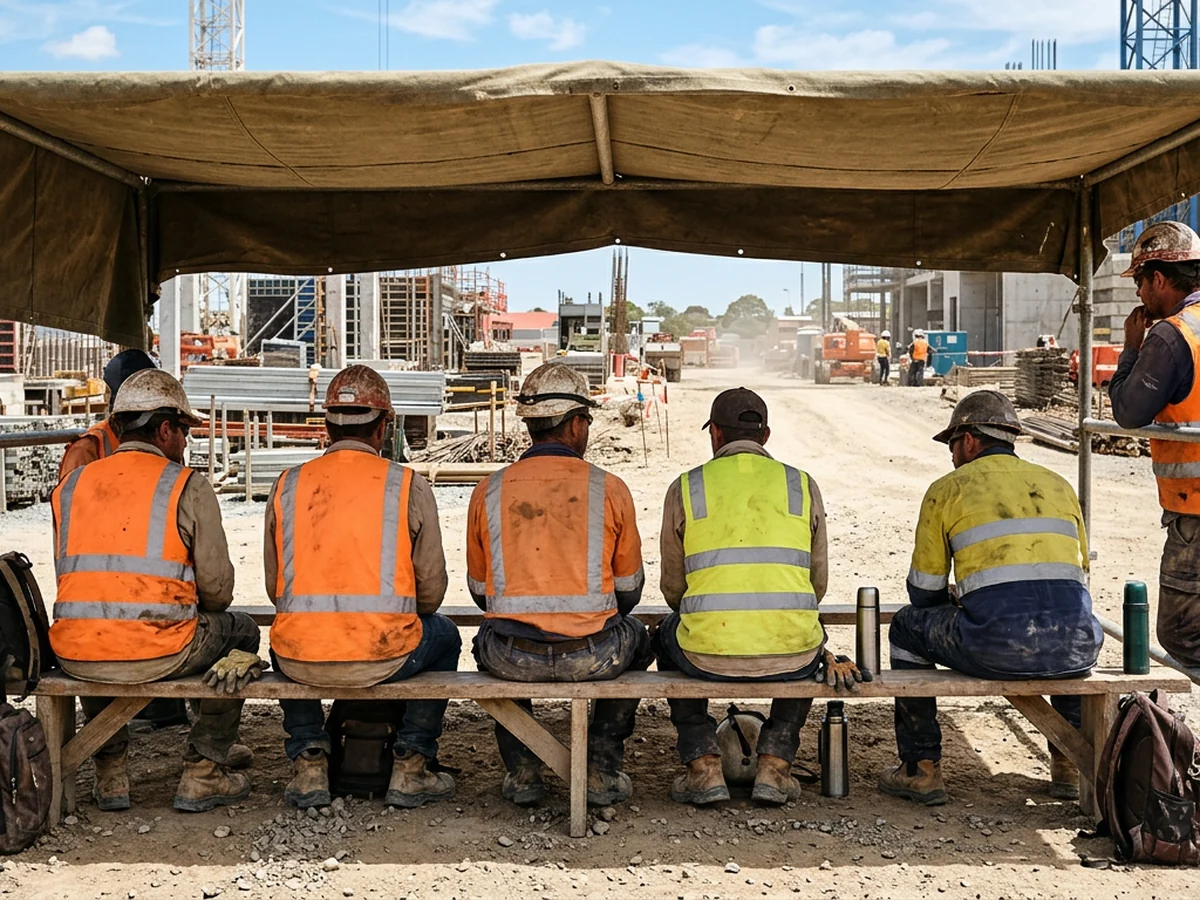
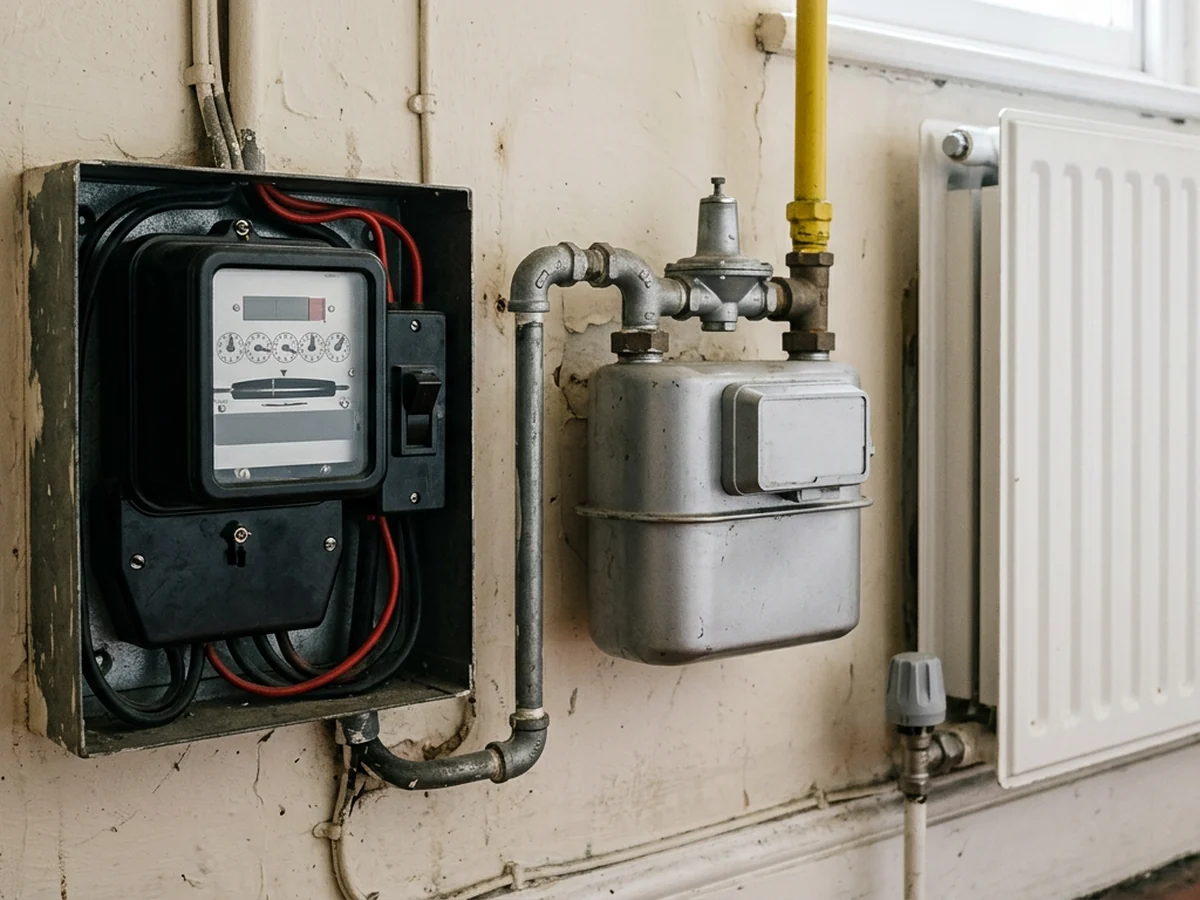
Neutral explainer. Photograph: original AI-generated illustration (Adobe Firefly). Reference organisations do not endorse this website.