Why it exists
EU producers pay for carbon emissions under the EU Emissions Trading System. Without a border measure, imports from countries without carbon prices could undercut them, and production could shift abroad.
How CBAM works
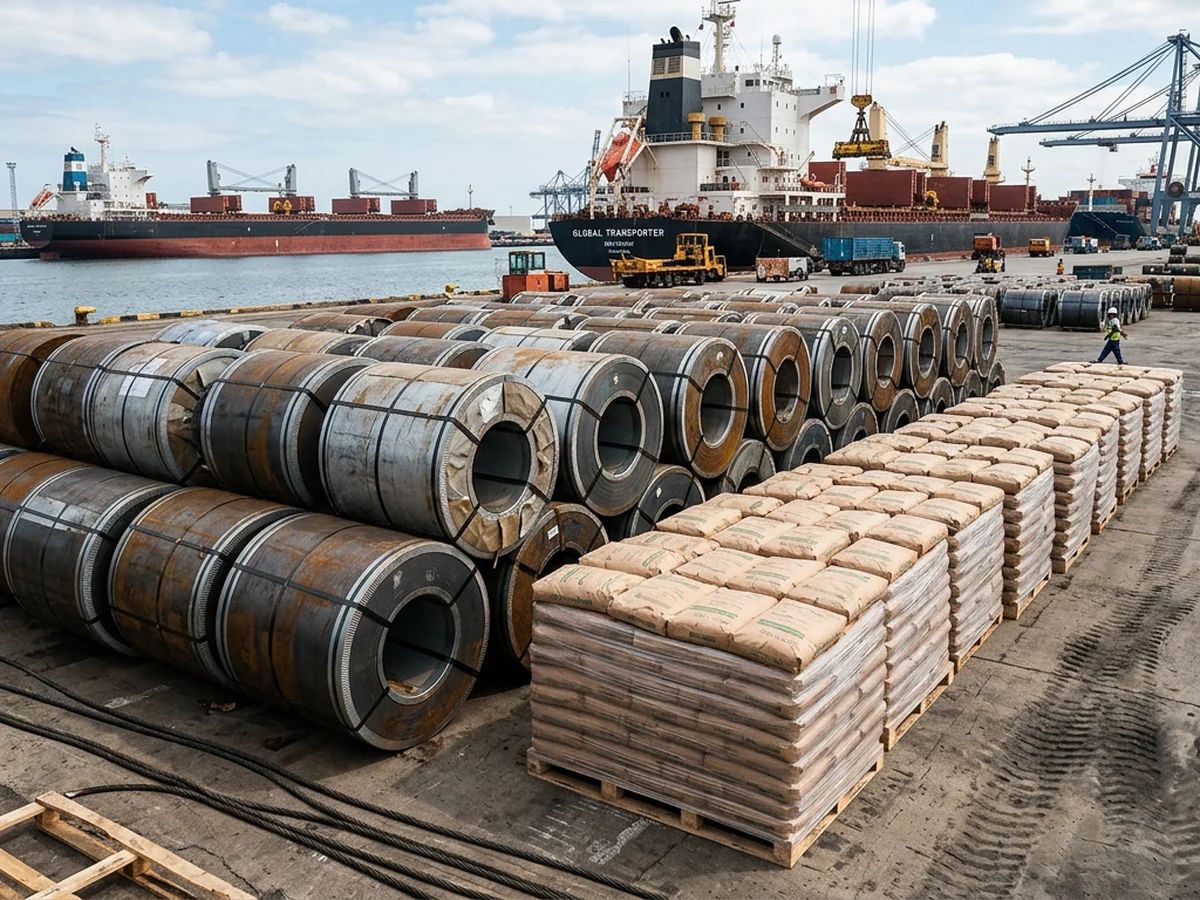
From 2026, authorised importers must buy CBAM certificates matching the emissions embedded in covered goods. The certificate price follows EU carbon allowance auctions. The first annual declarations for 2026 imports are due in 2027.
Impact on exporters
Exporters to the EU, including producers in the Gulf, India, China and Türkiye, must measure and verify emissions. Cleaner production can reduce costs for their customers.
Debates
Supporters see CBAM as fair and climate-friendly. Critics, including some developing countries, argue it is a trade barrier that shifts climate costs onto poorer nations.
Sources & further reading
Neutral explainer; rules may change. Photograph: original AI-generated illustration (Adobe Firefly). Reference organisations do not endorse this website.