Why inquiries are held
Inquiries are called when events raise serious public concern and ordinary processes seem insufficient, for example after fires, transport disasters, pandemics or institutional abuse.
Powers
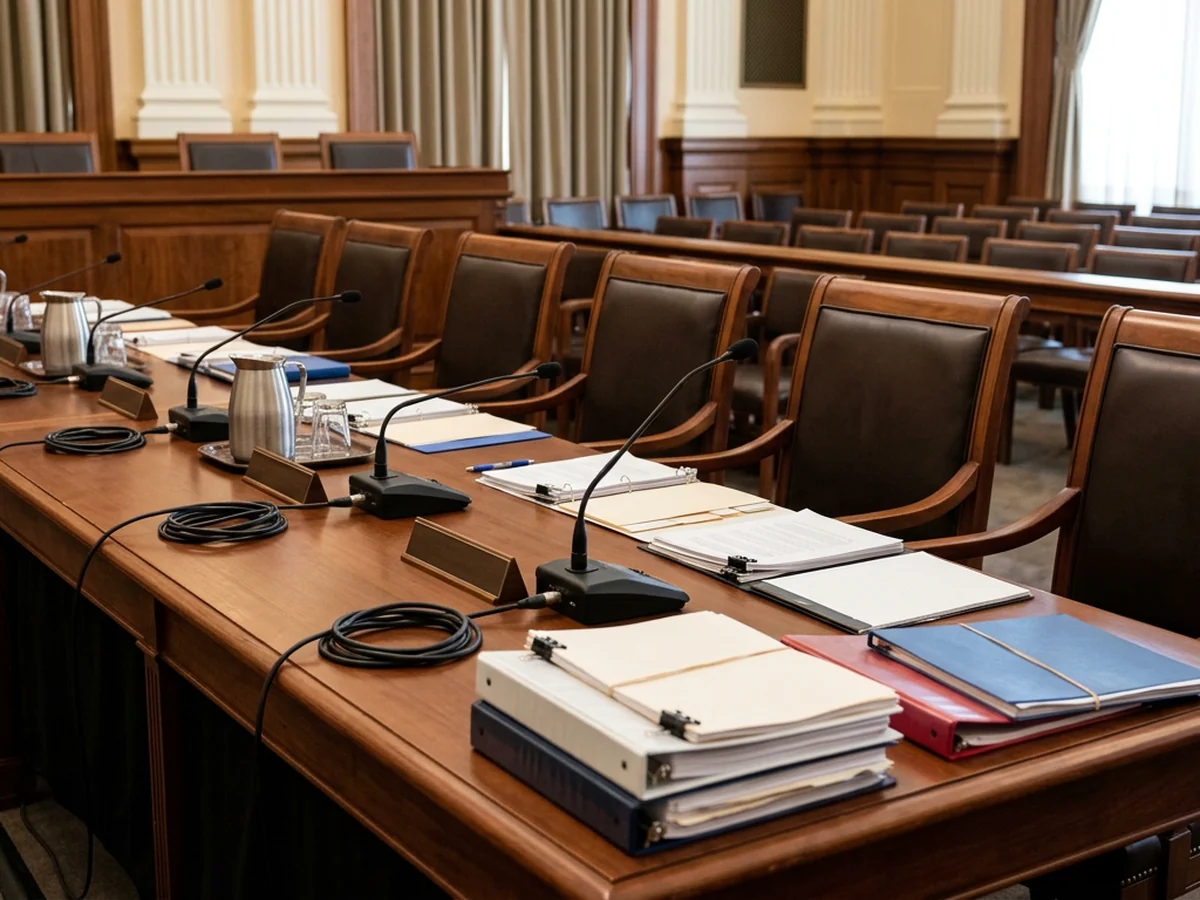
Depending on the law, an inquiry may compel witnesses to attend and documents to be produced. Hearings are often public and broadcast, though some evidence may be heard privately for security or privacy reasons.
Limits
Inquiries determine what happened and why, and recommend changes. They generally do not convict anyone; any prosecutions are handled separately by police and courts.
Reading the coverage
Headlines may report witness evidence day by day, but the inquiry's conclusions come only in its final or interim reports.
Sources & further reading
Procedures vary by country. Photograph: original AI-generated illustration (Adobe Firefly). Reference organisations do not endorse this website.