What a corridor is
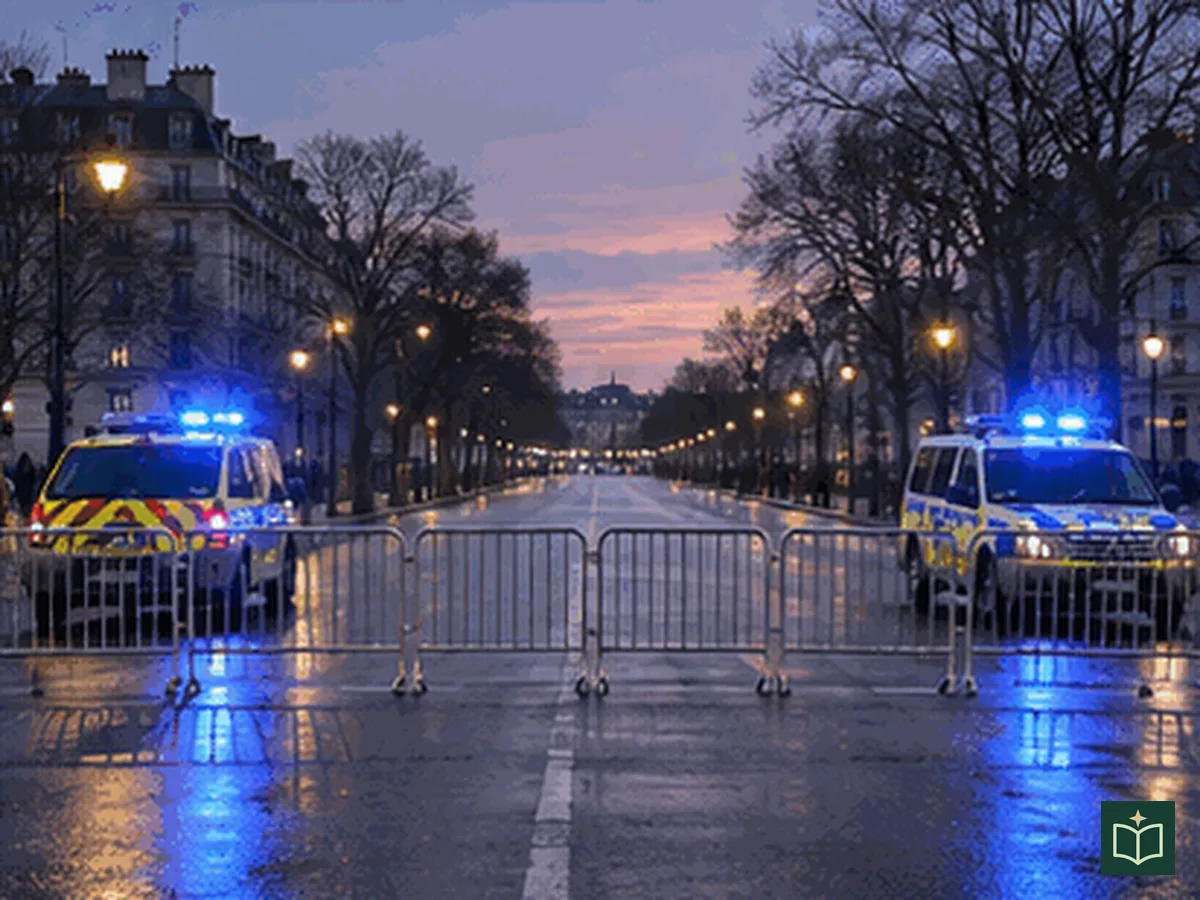
A humanitarian corridor is a temporary agreement between parties to an armed conflict that allows safe passage through a specific area for a set time. It may let civilians leave a besieged town, allow the wounded to be evacuated, or let food, medicine and fuel reach people trapped by fighting. A related arrangement, the humanitarian pause, halts fighting for a few hours or days so that aid can be delivered. Neither is a ceasefire in the full sense: they are limited in time, place and purpose. Corridors can be routes by road, sea or air, and they usually involve convoys, checkpoints and closely agreed timetables.
The legal background
International humanitarian law does not use the term corridor, but it supplies the principles. The Geneva Conventions of 1949 and their Additional Protocols require parties to allow the evacuation of the wounded and vulnerable from besieged areas and to permit the passage of relief consignments. Customary rules, as compiled by the International Committee of the Red Cross, require parties to allow and facilitate rapid and unimpeded passage of impartial humanitarian relief for civilians in need, subject to their right of control. Parties may inspect convoys and set technical arrangements. Evacuations must not become forced displacement, and civilians who choose to stay remain protected by the law.
Who negotiates and guarantees
Corridors depend on the consent of the warring parties, often reached through intermediaries. The ICRC, as a neutral body, frequently negotiates evacuations and accompanies convoys. United Nations agencies, coordinated by the Office for the Coordination of Humanitarian Affairs, negotiate access and share convoy routes with armed forces in a process called deconfliction. Governments with influence over the parties may mediate. In November 2023, Qatar, Egypt and the United States mediated a week-long humanitarian pause in Gaza. Guarantees are rarely enforceable in any formal sense; they rest on the parties' own commitments, sometimes supported by monitoring and by the reputational cost of breaking an agreement.
Examples from past conflicts
Corridors have taken many forms. During the siege of Sarajevo in the 1990s, a UN-run airlift delivered food and supplies for more than three years, one of the longest humanitarian airlifts in history. In Syria, negotiated evacuations took civilians and fighters out of besieged areas, including eastern Aleppo in 2016. In Ukraine in 2022, the UN and ICRC helped evacuate civilians from the Azovstal steelworks in Mariupol after earlier attempts failed. The Black Sea Grain Initiative, brokered by the UN and Türkiye in July 2022, created a maritime corridor for Ukrainian grain exports. Russia withdrew from it in July 2023.
Why corridors often fail
Many announced corridors never operate or collapse within hours. Parties may distrust each other, accuse each other of violations, or disagree over routes and destinations. Fighting may continue near the route, and roads can be mined or damaged. Some parties see corridors as giving the other side a military advantage, for example by allowing fighters to slip out or resupply. Civilians may be afraid to use a route that leads towards an opposing force. Unclear timings and poor communication can leave people stranded. Critics also warn that corridors can be used to empty an area of civilians before an assault, which international law forbids.
Reading a corridor headline
When a corridor or pause is announced, look for the details. Who agreed to it, and who is mediating? Is it for evacuating people, delivering aid, or both? How long will it last, and where does it lead? Is an organisation such as the ICRC or a UN agency accompanying convoys? The first announcement is often followed by reports of delays or breaches, so later updates matter. Count the numbers of people evacuated or lorries that actually entered, rather than the number promised. A corridor that works is a significant humanitarian achievement, but it addresses immediate needs, not the conflict that made it necessary.
Sources & further reading
- ICRC · International humanitarian law databases ↗
- UN Office for the Coordination of Humanitarian Affairs ↗
Figures are rounded and widely published; check the linked organisations for the latest editions. These organisations do not endorse this website.