What a global outage is
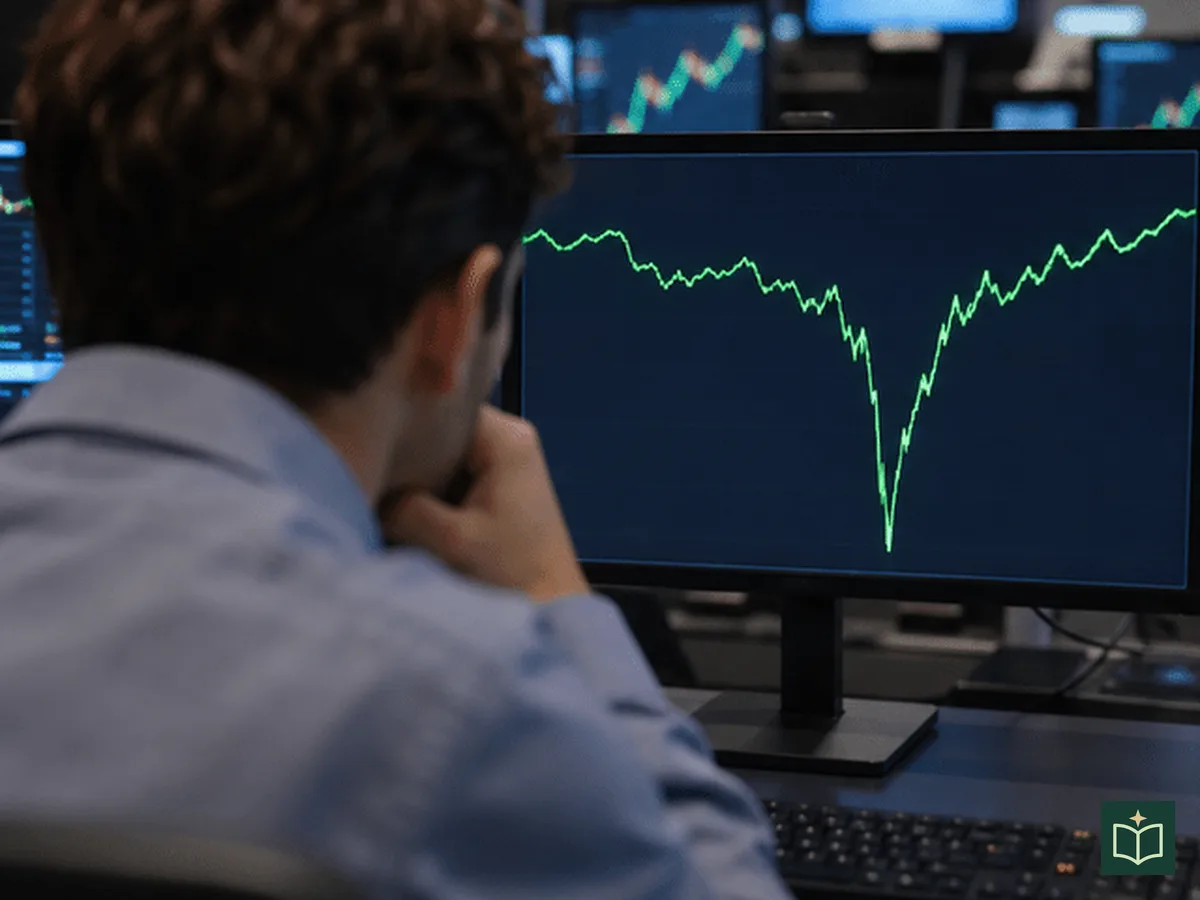
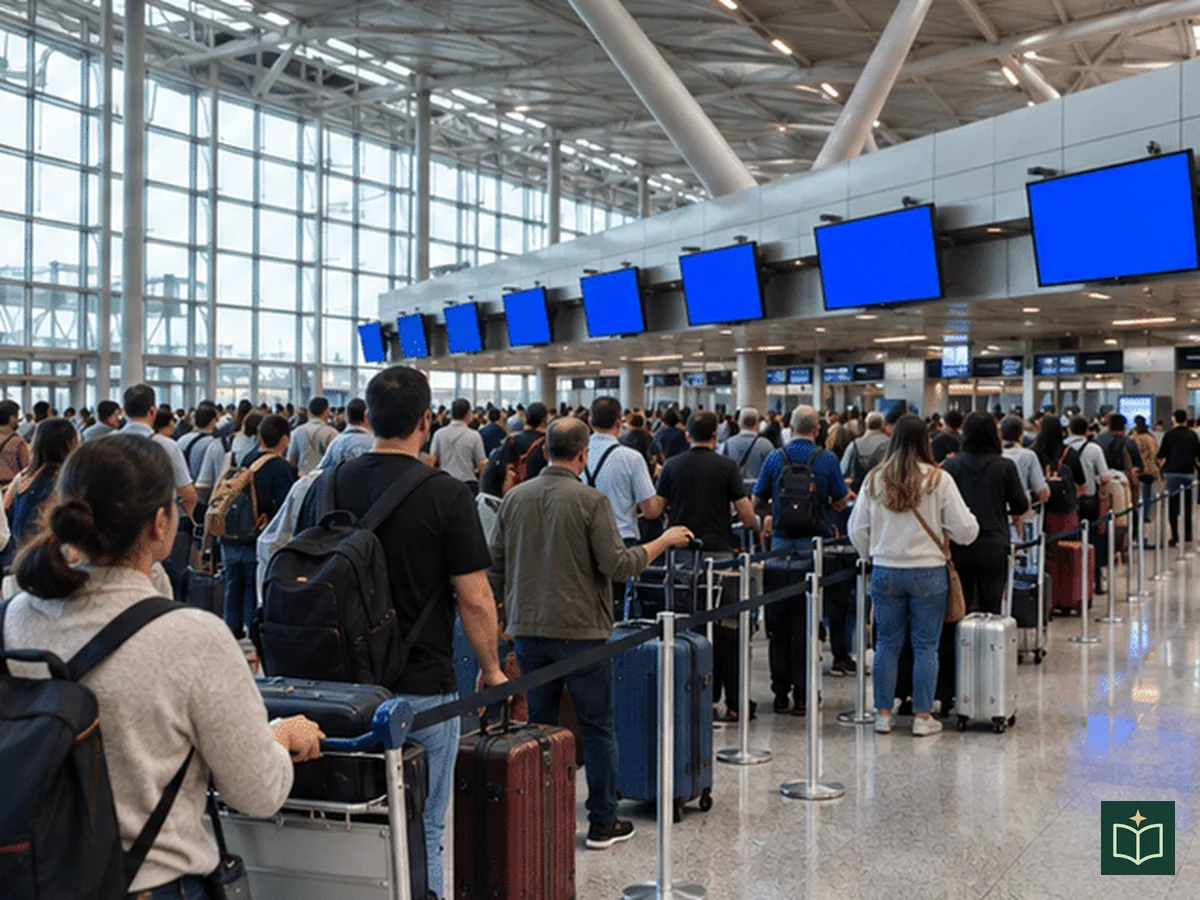
A global IT outage is a failure that stops computer systems in many organisations and countries at the same time. The visible symptoms are familiar: airport check-in queues, grounded flights, banks unable to process payments, supermarket tills offline and broadcasters off air. What links the victims is not geography but dependency. Modern organisations rarely build everything themselves. They buy the same operating systems, security software, cloud hosting, payment networks and internet services from a small number of large providers. That shared foundation brings efficiency and strong security on most days, but it also concentrates risk, so a single mistake can ripple outwards very quickly.
The July 2024 example
The clearest recent example came on 19 July 2024. CrowdStrike, a major cybersecurity company, sent a routine content update to its security software running on Windows computers. The update contained a fault that caused affected machines to crash and fail to restart properly. Microsoft later estimated that about 8.5 million devices were hit, less than 1 per cent of all Windows machines, but they were concentrated in large organisations. Airlines, hospitals, banks and broadcasters across the world were disrupted, and some airlines took days to recover. Because the crashed computers often could not receive a fix remotely, many had to be repaired by hand, one by one.
Clouds and networks
Other outages begin in the cloud or in the internet’s plumbing. When a large cloud provider has a problem in one of its main data-centre regions, the websites and apps hosted there can fail together. In June 2021, a configuration bug at the content delivery network Fastly took many major news and government websites offline for about an hour. In October 2021, Facebook, Instagram and WhatsApp disappeared for around six hours after a faulty network change cut their systems off from the rest of the internet. Domain name systems, which translate web addresses into numerical locations, are another shared layer whose failure can make healthy services look broken.
Outage or attack?
In the first hours of an outage, speculation about hackers is common, and attacks can indeed take systems offline. But many of the largest global disruptions have been caused by internal errors, such as faulty updates, misconfigured settings or failed hardware. Companies affected usually say quickly whether they believe a cyber incident is involved, and in the 2024 case CrowdStrike stated that it was not a cyberattack. The distinction matters. An attack may involve stolen data and a continuing threat; an error usually does not. Even so, criminals often exploit the confusion, sending phishing messages that pretend to offer fixes, so official channels remain the safest source.
Why recovery takes time
Fixing the original fault can be quick; undoing its effects is slower. Systems that crashed may need staff to restart them physically, enter recovery keys or restore from backups. Airlines face knock-on effects as crews and aircraft end up in the wrong places. Banks must reconcile transactions that failed or were duplicated. After major incidents, providers usually publish a post-incident report, and regulators may ask questions. Common lessons include rolling out updates in stages to small groups first, known as canary releases, testing more thoroughly and giving customers more control over when changes reach their systems. Resilience planning increasingly assumes that a major supplier will fail.
Reading an outage headline
When screens go dark across several industries at once, look for the common supplier, because that usually explains the pattern. Check whether the provider has identified a cause and whether it describes the event as an error or an attack. Distinguish between the time it takes to fix the fault and the time needed for services to return to normal, which can be days. For individuals, practical steps include carrying some cash or a second payment method when travelling, checking airline apps for updates and ignoring unsolicited messages offering help. The broader question such outages raise is how much of the world now depends on a few shared systems.
Sources & further reading
- Microsoft · Helping our customers through the CrowdStrike outage ↗
- CISA · Cybersecurity and Infrastructure Security Agency ↗
Figures are rounded and widely published; check the linked organisations for the latest editions. These organisations do not endorse this website.