What a flash crash is
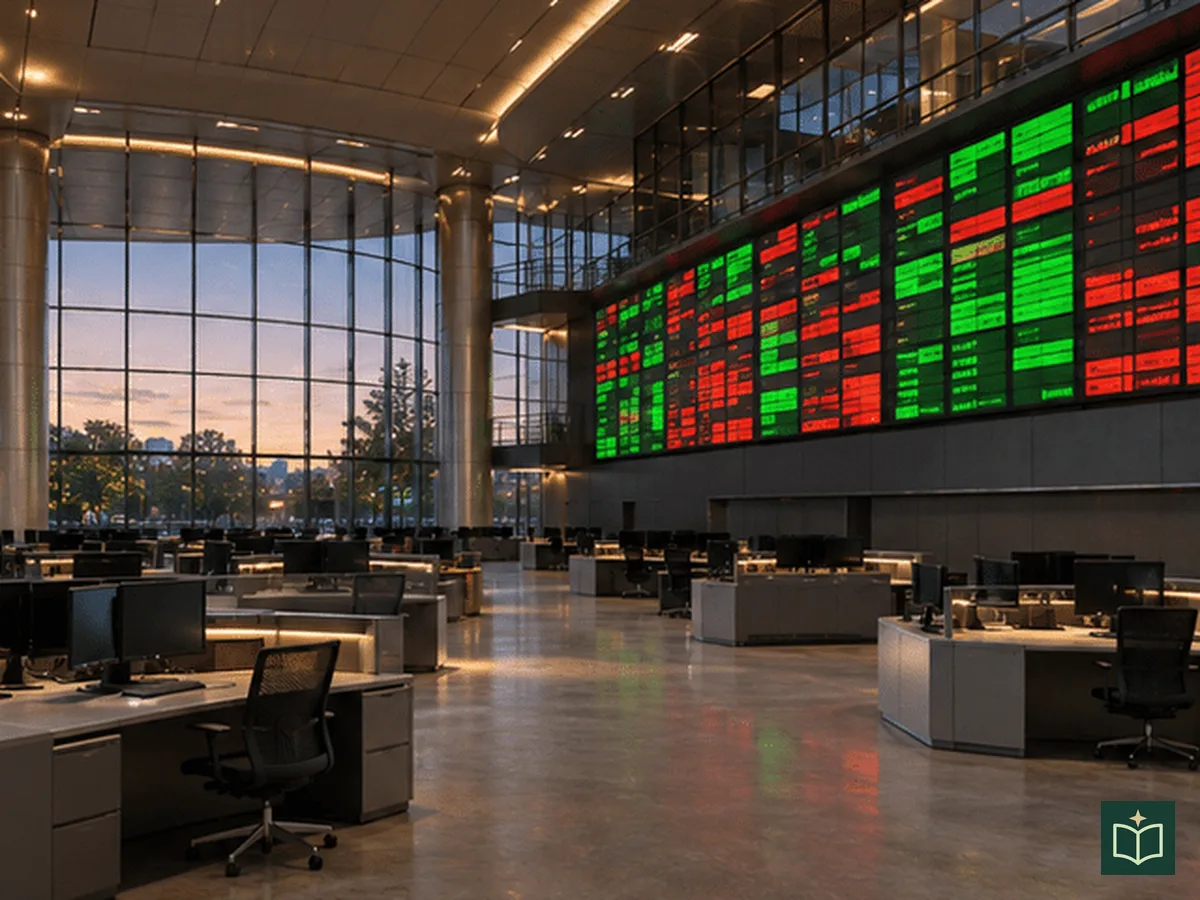
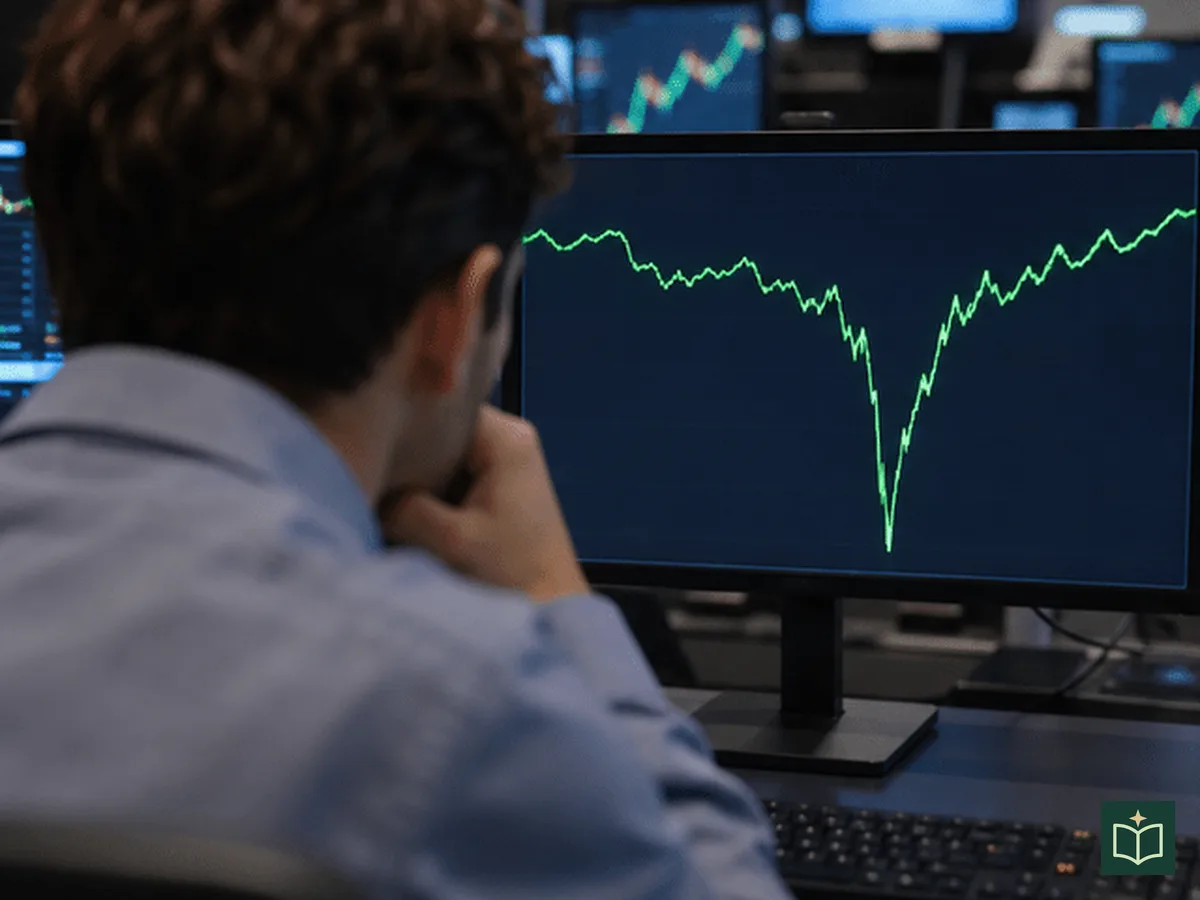
A flash crash is an extremely rapid fall in the price of a share, currency, bond or whole market, followed by a recovery that is almost as quick. The whole episode may last only minutes. Unlike a normal sell-off, which reflects changing views about value, a flash crash is usually driven by the mechanics of trading: who is willing to buy and sell, how quickly, and at what prices. Modern markets are dominated by computer programs that place and cancel orders in fractions of a second. That speed usually narrows spreads and lowers costs, but it can also make dislocations happen faster than people can react.
The day that named it
The term entered wide use after 6 May 2010. On a nervous afternoon dominated by worries about Greek debt, US share prices dropped suddenly. The Dow Jones Industrial Average fell nearly 1,000 points, about 9 per cent, within minutes, briefly wiping out roughly a trillion dollars of market value. Within about half an hour it had recovered much of the loss. In the chaos, some large company shares traded for a single cent, while others briefly changed hands at 100,000 dollars. Exchanges later cancelled thousands of trades executed at prices far from normal levels, a step known as breaking clearly erroneous trades.
What caused it
A joint report by the US Securities and Exchange Commission and the Commodity Futures Trading Commission found that the trigger was a large sell order in stock-index futures, worth about 4.1 billion dollars, executed by an algorithm that sold according to trading volume without regard to price or time. High-frequency traders initially bought, then quickly sold to one another, adding to volume and pushing the algorithm to sell faster. As prices fell, many market makers withdrew. Where no real buyers remained, orders were filled against placeholder quotes set far from the market. In 2015, US authorities also charged a London-based trader over manipulative orders said to have contributed.
Not only shares
Flash crashes have hit other markets too. On 15 October 2014, US Treasury bond yields swung sharply within minutes without obvious news, surprising one of the world’s deepest markets. On 7 October 2016, the British pound fell about 6 per cent against the dollar during thin trading in Asian hours, before recovering much of the drop. Currency and cryptocurrency markets, which trade around the clock, are especially exposed during quiet periods when fewer participants are active. The common thread is liquidity: when the number of willing buyers near the current price suddenly shrinks, even a modest sell order can push prices a long way.
Safeguards added since
Regulators responded to 2010 with several changes. Placeholder quotes far from the market, known as stub quotes, were banned in the United States. Single-stock circuit breakers were introduced and then replaced by the Limit Up-Limit Down mechanism, which pauses trading in a share when its price moves outside a band. Market-wide circuit breakers were revised, and the rules for cancelling erroneous trades were made clearer. Exchanges added checks that reject orders far from the current price, and brokers must control the risks of algorithms they allow onto markets. Europe adopted similar controls on algorithmic trading under its MiFID II rules from 2018.
Reading a flash-crash headline
When a headline reports a flash crash, check how far prices fell, how long it lasted and whether they recovered. A move that reverses within minutes suggests a liquidity event rather than new information about value. Ask whether trades were cancelled, which can change who actually lost money. Remember that investors with automatic stop-loss orders can be sold out near the bottom and miss the rebound, which is one reason some prefer limit orders. Finally, look for an official review: regulators often take months to establish what happened, and early explanations, such as a single fat-finger typing error, sometimes prove incomplete. This is general information, not investment advice.
Sources & further reading
- US SEC · Findings regarding the market events of May 6, 2010 ↗
- US Commodity Futures Trading Commission ↗
Figures are rounded and widely published; check the linked organisations for the latest editions. These organisations do not endorse this website.